Dental Crowns Switzerland – Types Explained
Dental Crowns Switzerland – Types Explained
Dental crowns are a cornerstone of restorative and cosmetic dentistry, offering solutions for damaged, weakened, or aesthetically compromised teeth. In Switzerland, known for its high standards in healthcare and precision, dental crown procedures are performed with meticulous care, utilizing advanced materials and techniques. Understanding the different types of crowns available is crucial for patients considering this treatment, as each material offers unique benefits in terms of durability, aesthetics, and cost. This comprehensive guide will explore the world of dental crowns, focusing on their purpose, the various materials used, the treatment process, and what patients can expect when opting for dental crown treatment in Switzerland.
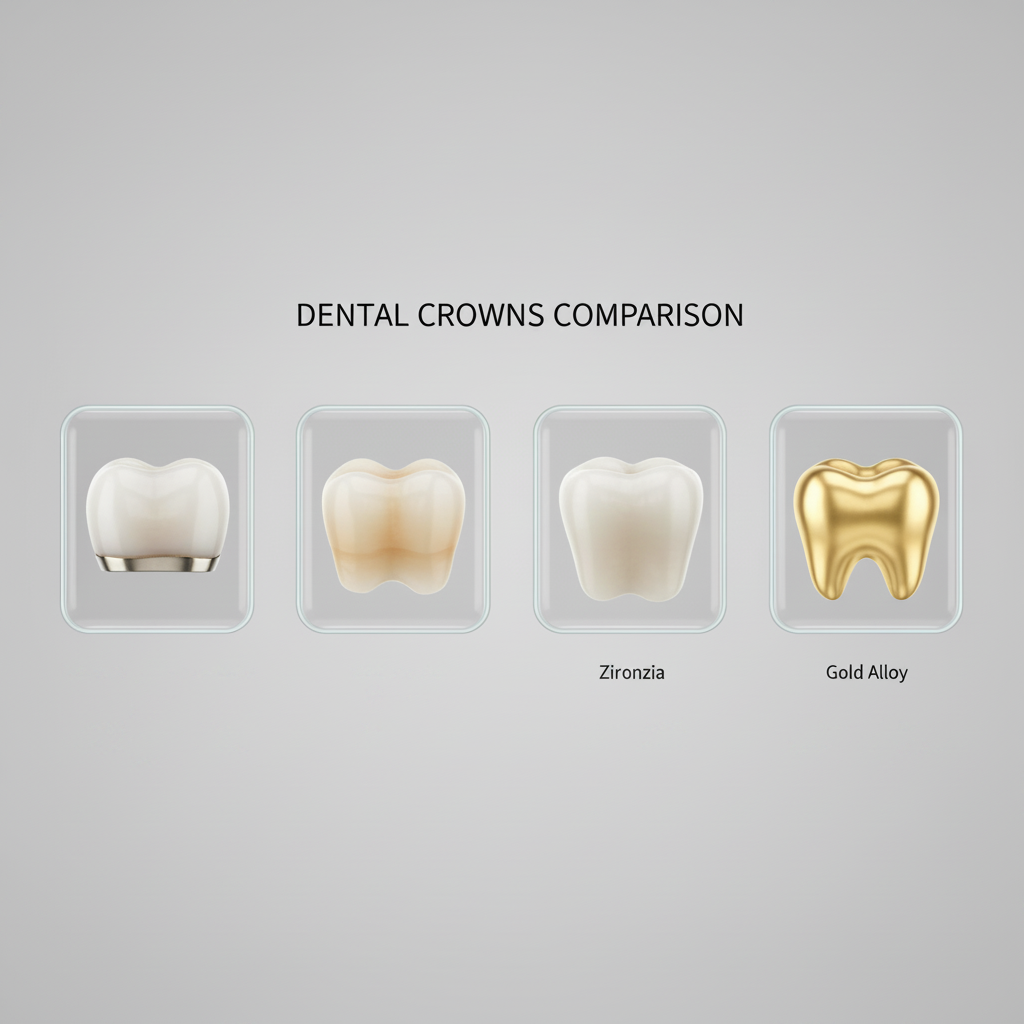
Understanding Dental Crowns Switzerland
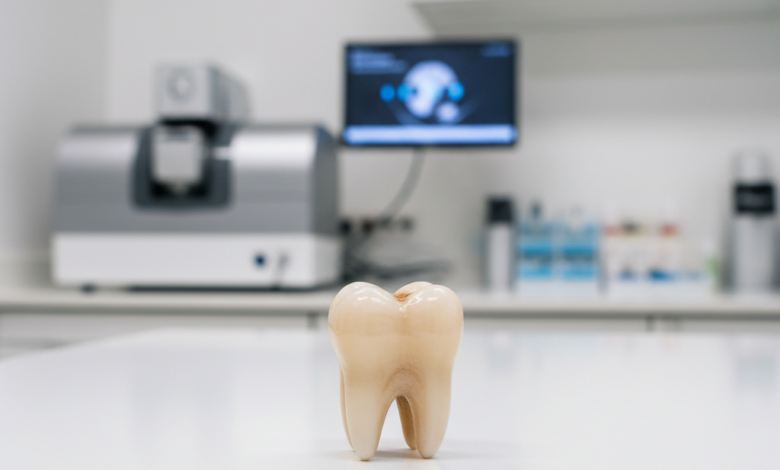
A dental crown, often referred to as a “cap,” is a custom-made covering that is placed over the entire visible portion of a tooth, down to the gum line. Its primary function is to restore the tooth’s shape, size, strength, and appearance. Crowns are a versatile dental solution, suitable for a range of issues from protecting a weakened tooth from fracture to covering a dental implant. They are fabricated in a dental laboratory or, increasingly, in-clinic using advanced CAD/CAM technology, ensuring a precise fit and natural look. The selection of the crown material is a significant decision, influenced by the tooth’s location, the patient’s aesthetic preferences, and their budget.
Why Might You Need a Dental Crown?
Dental crowns serve multiple essential functions in oral health and aesthetics. A dentist might recommend a crown for several reasons:
- To protect a weak tooth (e.g., from decay) from breaking or to hold parts of a cracked tooth together.
- To restore an already broken tooth or a tooth that has been severely worn down.
- To cover and support a tooth with a large filling when there isn’t much tooth structure left.
- To cover misshapen or severely discolored teeth, enhancing their aesthetic appeal.
- To cover a dental implant, acting as the prosthetic tooth.
- To hold a dental bridge in place.
- After a root canal treatment, to protect the now brittle tooth from fracture.
The necessity for a crown is typically determined after a thorough examination by a dental professional, often involving X-rays, to assess the structural integrity of the tooth and the surrounding tissues.
Exploring the Main Types of Dental Crowns
The choice of material for a dental crown is pivotal, impacting its appearance, durability, and cost. Modern dentistry offers a variety of options, each with distinct advantages.
Types of Dental Crowns: A Comparative Overview
| Crown Type | Description | Key Advantages | Key Disadvantages | Ideal Usage |
|---|---|---|---|---|
| Porcelain-Fused-to-Metal (PFM) | Metal substructure covered with porcelain. Offers a balance of strength and aesthetics. | Strong, durable, relatively aesthetic. Good for both front and back teeth. | Can show a dark line at the gum line over time. Porcelain can chip. Less translucent than all-ceramic. | Molars and premolars where some aesthetic compromise is acceptable. |
| All-Ceramic / All-Porcelain | Made entirely from ceramic or porcelain materials (e.g., E-max, Zirconia). | Excellent aesthetics, matches natural tooth color and translucency perfectly. No metal allergies. | Can be less durable than PFM or metal in high bite force areas. Can be abrasive to opposing teeth. | Front teeth and other highly visible areas where aesthetics are paramount. |
| Zirconia | A type of all-ceramic crown known for exceptional strength and good aesthetics. | Extremely strong and durable, biocompatible. Can be made monolithically or layered with porcelain. | Can be very opaque if monolithic, making it less natural-looking than layered ceramics. Can be harder to adjust. | Back teeth, bridges, and for patients with bruxism (teeth grinding). Increasingly used for front teeth with layered porcelain. |
| Metal (Gold Alloys, Base-Metal Alloys) | Made from alloys of gold, palladium, nickel, or chromium. | Very strong, highly durable, minimal tooth reduction required. Less wear on opposing teeth. | Poor aesthetics (metallic color). | Back molars where strength and durability are prioritized over appearance. |
| E-max (Lithium Disilicate) | A high-strength ceramic material known for its excellent aesthetics and translucency. | Highly aesthetic, very strong for its appearance, conservative tooth preparation. | Not as strong as zirconia or metal for heavily loaded posterior teeth in all cases. | Front teeth, premolars, veneers, and some anterior bridges. |
The Dental Crown Procedure: Step-by-Step
The process of getting a dental crown typically involves two visits to the dentist, although same-day crowns are becoming more common with CAD/CAM technology.
First Visit: Preparation and Impression
The initial visit focuses on preparing the tooth and taking an impression for the custom crown.
- Examination and Diagnosis: The dentist will examine the tooth, often taking X-rays, to ensure a crown is the appropriate treatment. If extensive decay or infection is present, a root canal may be performed first.
- Local Anesthesia: The area around the tooth will be numbed with local anesthetic to ensure comfort during the procedure.
- Tooth Preparation: The tooth is reshaped by filing down the chewing surface and sides. The amount removed depends on the type of crown, ensuring enough space for the crown to fit naturally and align with surrounding teeth.
- Impression Taking: An impression (mold) of the prepared tooth is taken. This can be done using traditional dental putty or a digital scanner. Impressions of the opposing jaw are also taken to ensure the bite alignment is correct.
- Temporary Crown Placement: A temporary crown made of acrylic or composite material is placed over the prepared tooth. This protects the tooth from sensitivity, maintains proper bite, and prevents shifting while the permanent crown is being fabricated in the lab.
Second Visit: Permanent Crown Placement
After the custom crown has been manufactured (typically 1-2 weeks), the patient returns for the final placement.
- Temporary Crown Removal: The temporary crown is carefully removed, and the prepared tooth is cleaned.
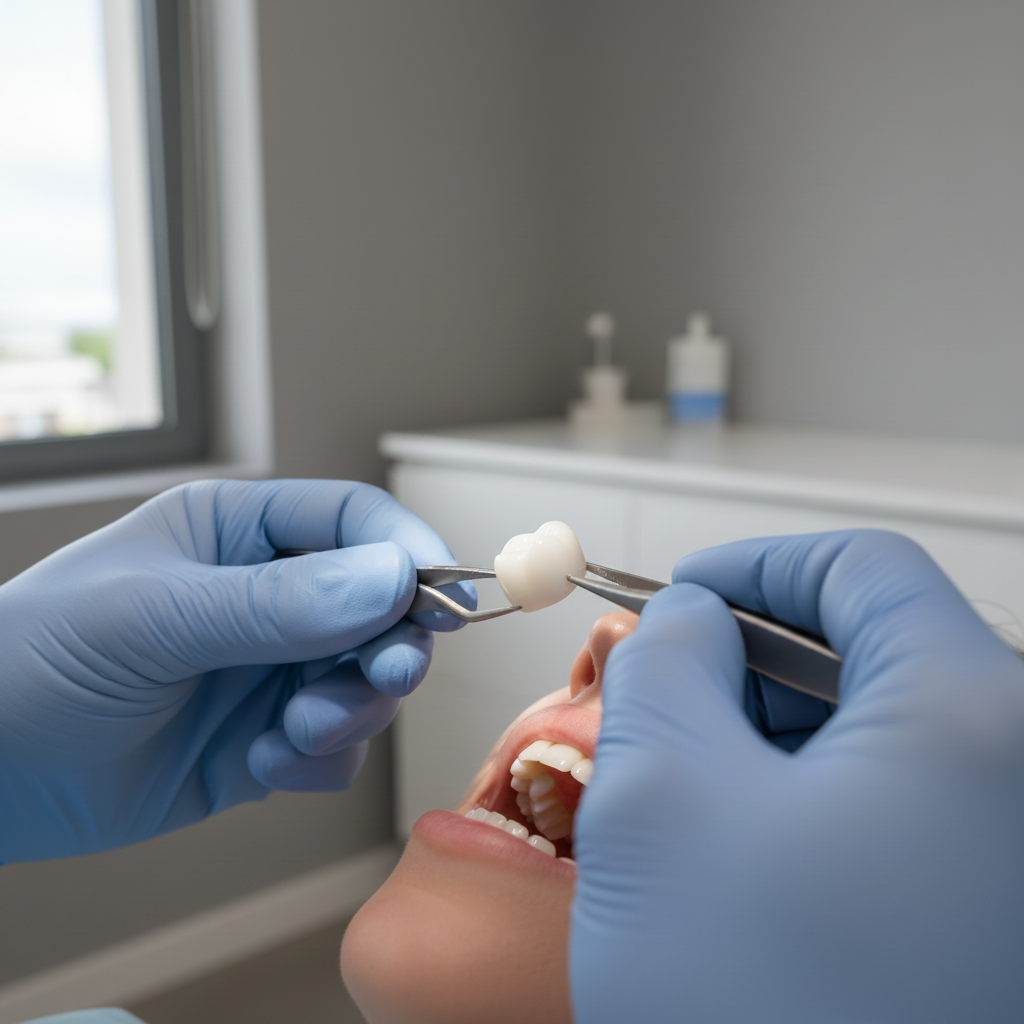
- Crown Try-On and Adjustment: The permanent crown is fitted onto the tooth. The dentist will check its fit, color, and bite, making any necessary adjustments to ensure comfort and proper alignment.
- Final Cementation: Once the fit and aesthetics are perfected, the permanent crown is permanently bonded to the tooth using a strong dental cement.
- Final Check: The dentist will remove any excess cement and perform a final check of the bite and ensure the patient’s comfort.
Benefits of Dental Crowns
Dental crowns offer a multitude of benefits, making them a popular and effective restorative solution:
- Restoration of Function: Crowns restore the chewing ability of a damaged tooth, allowing patients to eat comfortably.
- Enhanced Aesthetics: Custom-made to match the natural color and shape of surrounding teeth, crowns significantly improve the appearance of stained, chipped, or misshapen teeth.
- Protection: They provide a protective barrier for weakened teeth, preventing further damage or fracture, especially after root canal therapy.
- Durability: With proper care, dental crowns can last for many years, often 10-15 years or even longer, depending on the material and oral hygiene.
- Support for Other Treatments: Crowns are integral components of dental bridges and dental implant restorations, supporting artificial teeth.
Caring for Your Dental Crowns
While a dental crown is a robust restoration, its longevity largely depends on proper oral hygiene and regular dental care.
- Maintain Excellent Oral Hygiene: Brush and floss your crowned tooth just as you would your natural teeth. Pay special attention to the area where the crown meets the gum line, as this is vulnerable to plaque accumulation and decay.
- Regular Dental Check-ups: Continue to visit your dentist for routine check-ups and professional cleanings. The dentist can monitor the crown’s condition and the health of the underlying tooth and gums.
- Avoid Hard and Sticky Foods: While crowns are strong, biting on extremely hard foods (e.g., ice, hard candy) or sticky foods can potentially damage the crown or dislodge it.
- Address Bruxism: If you grind or clench your teeth (bruxism), your dentist may recommend a night guard to protect your crown and natural teeth from excessive wear.
The Cost of Dental Crowns in Switzerland
Switzerland is renowned for its high quality of life and healthcare, which often translates to higher costs compared to other countries. The cost of a dental crown in Switzerland can vary significantly based on several factors:
- Material Used: All-ceramic and zirconia crowns generally cost more than PFM or metal crowns due to the material cost and the complexity of fabrication.
- Complexity of the Case: If additional procedures like root canal therapy or gum contouring are needed before the crown can be placed, the overall cost will increase.
- Dentist’s Fees: Fees can vary between dental clinics and individual practitioners based on their experience, location, and overheads.
- Laboratory Fees: The cost of fabricating the custom crown in a dental laboratory contributes significantly to the total price.
It is advisable for patients to discuss all potential costs and treatment plans thoroughly with their dentist before commencing any treatment. Some private dental insurance plans may cover a portion of the cost, so it’s essential to check policy details.
Why Choose Switzerland for Dental Crowns?
Opting for dental crown treatment in Switzerland means benefiting from a healthcare system celebrated for its excellence. Patients can expect:
- High-Quality Materials: Dentists in Switzerland typically use premium, biocompatible materials for crowns, ensuring longevity and safety.
- Advanced Technology: Swiss dental clinics are often equipped with state-of-the-art technology, including digital scanning, CAD/CAM systems for precise crown fabrication, and advanced imaging.
- Skilled Professionals: Swiss dentists undergo rigorous training and adhere to stringent professional standards, resulting in highly skilled practitioners.
- Meticulous Standards: The emphasis on precision and aesthetics ensures that crowns are not only functional but also blend seamlessly with natural teeth.
For further scientific information on dental crowns, one can consult resources like Wikipedia’s page on dentistry crowns, which provides a detailed overview of the various aspects of this dental restoration.
In summary, dental crowns in Switzerland offer a sophisticated and reliable solution for restoring dental health and aesthetics. With a range of materials to choose from and a commitment to high standards of care, patients can achieve durable and natural-looking results that enhance their smiles and overall oral well-being.