Are Dental Treatments Painful in Switzerland?
Are Dental Treatments Painful in Switzerland?
The prospect of dental treatment often conjures images of discomfort and pain for many individuals. It’s a natural human instinct to dread anything that might involve pain, especially when it concerns sensitive areas like the mouth. However, modern dentistry, particularly in a country renowned for its high standards and advanced medical practices like Switzerland, has evolved significantly to prioritize patient comfort and minimize, if not entirely eliminate, pain during procedures. The common perception that all dental treatments are inherently painful is largely outdated, thanks to advancements in technology, anesthetics, and patient care philosophies.
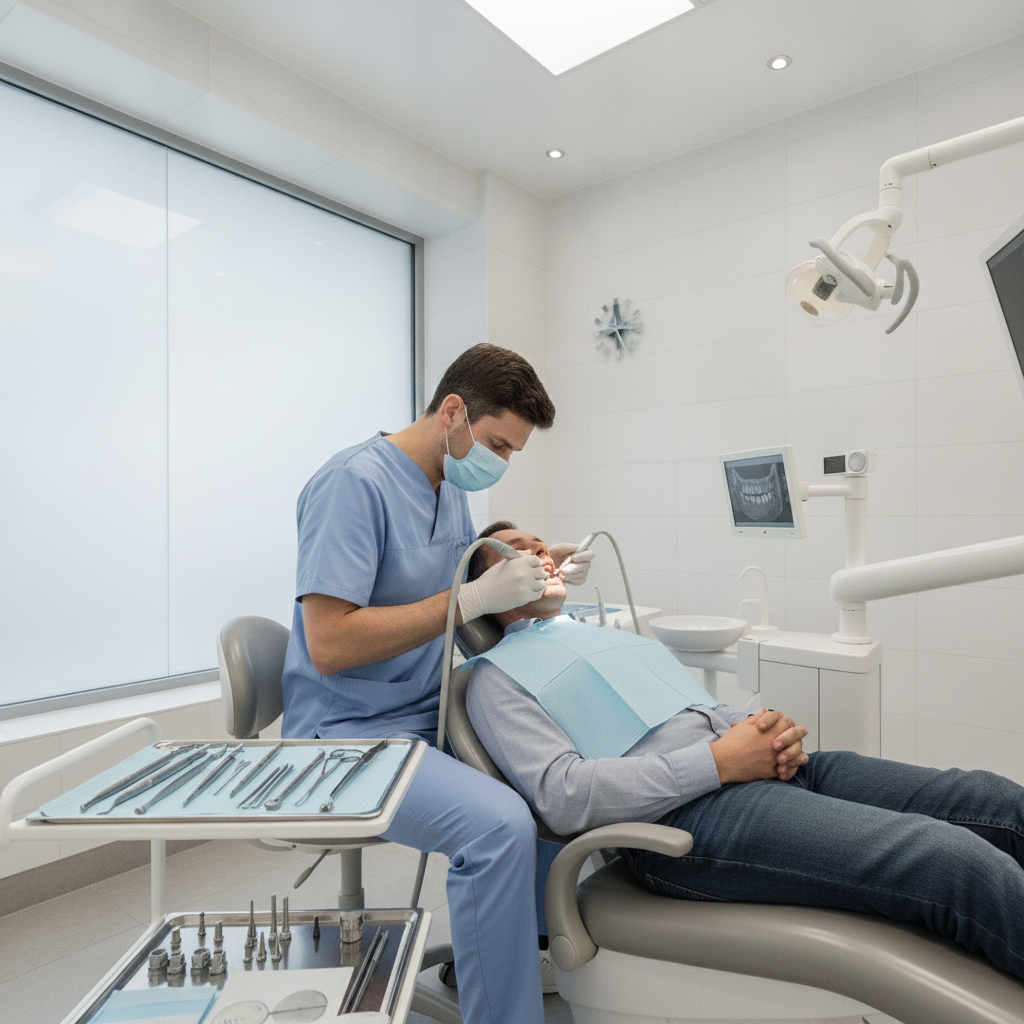
For individuals considering dental work in Switzerland, understanding the current approaches to pain management is crucial. Swiss dental clinics are at the forefront of adopting cutting-edge techniques and technologies designed to make the patient experience as comfortable and stress-free as possible. This commitment to excellence extends beyond the clinical outcome to encompass the entire treatment journey, including comprehensive pain control.
Understanding Pain Management in Modern Dentistry
Pain management is a cornerstone of contemporary dental practice. Dentists today are equipped with a vast array of tools and techniques to ensure that patients feel minimal to no pain during procedures. The primary goal is to address the underlying issue effectively while maintaining the highest level of patient comfort.
Local Anesthesia: The First Line of Defense
The most common form of pain control in dentistry is local anesthesia. This involves injecting an anesthetic agent, such as lidocaine or articaine, near the nerves supplying the treatment area. The anesthetic temporarily blocks pain signals from reaching the brain, allowing the dentist to perform procedures without the patient feeling any discomfort. Modern techniques make the injection itself almost painless, often using topical numbing gels before the needle is even introduced. The effect typically lasts for a few hours, providing ample time for the procedure and some post-treatment numbness.
Sedation Dentistry: For Anxiety and Deeper Relaxation
For patients with dental anxiety, fear of needles, or those undergoing longer or more complex procedures, sedation dentistry offers an excellent solution. Sedation helps patients relax and remain calm throughout their appointment. There are several levels of sedation available:
- Nitrous Oxide (Laughing Gas): A mild sedative inhaled through a mask. It induces a state of relaxation and euphoria, wears off quickly, and allows patients to drive themselves home after treatment.
- Oral Sedation: Administered as a pill taken before the appointment. It causes drowsiness, significantly reduces anxiety, and often leaves patients with little memory of the procedure. Patients will require an escort to and from the clinic.
- Intravenous (IV) Sedation: A deeper form of sedation where medication is administered directly into the bloodstream. The patient remains conscious and able to respond but is deeply relaxed and may drift in and out of sleep. IV sedation is closely monitored by a trained professional and is ideal for more extensive procedures or highly anxious patients.
- General Anesthesia: In rare cases, typically for very complex oral surgeries, patients with severe phobias, or special needs, general anesthesia may be used. This renders the patient completely unconscious, and it is usually administered in a hospital setting or a specialized dental clinic with an anesthesiologist present.
Swiss dental clinics adhere to stringent safety protocols when administering any form of sedation, ensuring patient well-being is always the top priority.
Advanced Technologies Reducing Discomfort
Beyond traditional anesthetics, technological innovations play a significant role in minimizing discomfort. Laser dentistry, for example, can be used for certain procedures, reducing the need for drills and scalpels, which often translates to less bleeding, swelling, and faster healing. Digital imaging and 3D scanning allow for highly precise treatment planning, reducing the invasiveness of procedures and potential for complications.
Dental Treatments Painful in Switzerland: What to Expect from Common Procedures
Let’s demystify the pain levels associated with some common dental treatments, keeping in mind that individual experiences can vary, but effective pain management is always in place.
Dental Fillings
For routine cavities, getting a filling is generally a quick and virtually painless procedure with local anesthesia. Patients might feel some pressure or vibration, but no sharp pain. Post-procedure, mild sensitivity to hot or cold is normal for a few days but typically subsides quickly.
Root Canal Treatment
Often feared, root canal treatment is actually designed to *relieve* pain caused by an infected tooth pulp. With effective local anesthesia, the procedure itself should be comfortable. Patients may experience some soreness or tenderness for a few days afterwards, which can be managed with over-the-counter pain relievers. The pre-treatment pain is usually far more severe than any discomfort during or after the procedure.
Tooth Extractions
Simple extractions (removing a visible tooth) are performed under local anesthesia. Patients will feel pressure but no pain. Surgical extractions, such as wisdom teeth removal, might involve deeper sedation. Post-extraction, swelling and discomfort are normal and managed with prescribed pain medication and cold compresses. The healing process is carefully explained, ensuring patients know what to expect.
Dental Crowns and Bridges
Preparing a tooth for a crown or bridge involves shaping the tooth structure. This is done under local anesthesia, so the process is pain-free. Patients might experience temporary sensitivity while waiting for the permanent restoration, but this is usually mild.
Dental Implants
Dental implant placement is a surgical procedure. It is typically performed under local anesthesia, often supplemented with oral or IV sedation. During the procedure, patients should feel no pain, only pressure or movement. Post-surgery, some swelling, bruising, and discomfort are common, similar to a tooth extraction. Prescribed pain medication and anti-inflammatory drugs effectively manage this. The healing phase is crucial, and discomfort gradually diminishes over several days to weeks. Modern implant techniques, such as guided surgery, can further minimize invasiveness and post-operative discomfort. For more detailed information, consider researching various aspects of dental implant procedures.
Gum Surgery
Periodontal (gum) surgery, whether for treating gum disease or cosmetic purposes, is performed with local anesthesia, sometimes with sedation. Discomfort during the procedure is avoided. Post-operative care involves managing swelling and tenderness with medication, and clinics provide clear instructions for optimal healing.
The Swiss Standard of Patient Care and Comfort
Switzerland’s reputation for precision, quality, and high standards extends to its dental healthcare system. Dental clinics in Switzerland are equipped with state-of-the-art technology, adhering to rigorous sterilization protocols and employing highly skilled dentists and hygienists. This commitment to excellence directly impacts the patient experience, particularly concerning pain management.
Experienced and Empathetic Professionals
Swiss dentists undergo extensive training and are often specialists in various fields, ensuring that patients receive care from highly competent professionals. They are trained not only in clinical procedures but also in patient psychology, understanding dental anxiety, and employing empathetic approaches to make patients feel at ease. Communication is key, and dentists take the time to explain procedures, answer questions, and discuss pain management options tailored to individual needs.
Focus on Prevention and Minimally Invasive Techniques
A strong emphasis on preventive dentistry and early intervention means that many issues are caught before they become extensive and potentially more uncomfortable. When treatments are necessary, Swiss dentists often favor minimally invasive techniques that preserve as much healthy tooth structure as possible, leading to quicker recovery and less post-operative discomfort.
State-of-the-Art Facilities
Clinics in Switzerland boast modern, comfortable environments designed to reduce stress. From welcoming reception areas to advanced treatment rooms, every detail is considered to enhance the patient journey. Access to the latest diagnostic tools like digital X-rays and intraoral cameras allows for precise planning, further reducing the risk of complications and enhancing the predictability of a comfortable experience.
Addressing Dental Anxiety: A Critical Component of Pain-Free Dentistry
For many, the fear of pain is intertwined with general dental anxiety. Modern Swiss dental practices recognize this and offer various strategies to help anxious patients:
- Open Communication: Encouraging patients to express their fears and concerns.
- “Tell-Show-Do” Technique: Explaining each step of the procedure, showing the instruments, and then performing the action.
- Distraction Techniques: Offering music, television, or even virtual reality goggles to divert attention.
- Sedation Options: As mentioned, various levels of sedation can significantly alleviate anxiety.
- Relaxation Techniques: Guidance on breathing exercises or mindfulness during treatment.
These comprehensive approaches aim to transform the dental visit from a daunting experience into a manageable and even pleasant one.
Conclusion
The notion that dental treatments are inherently painful, especially in a country like Switzerland, is largely a myth sustained by outdated perceptions. Modern dentistry in Switzerland is characterized by an unwavering commitment to patient comfort, leveraging advanced technology, a wide spectrum of pain management options including various anesthetics and sedation techniques, and a patient-centric approach from highly skilled professionals.
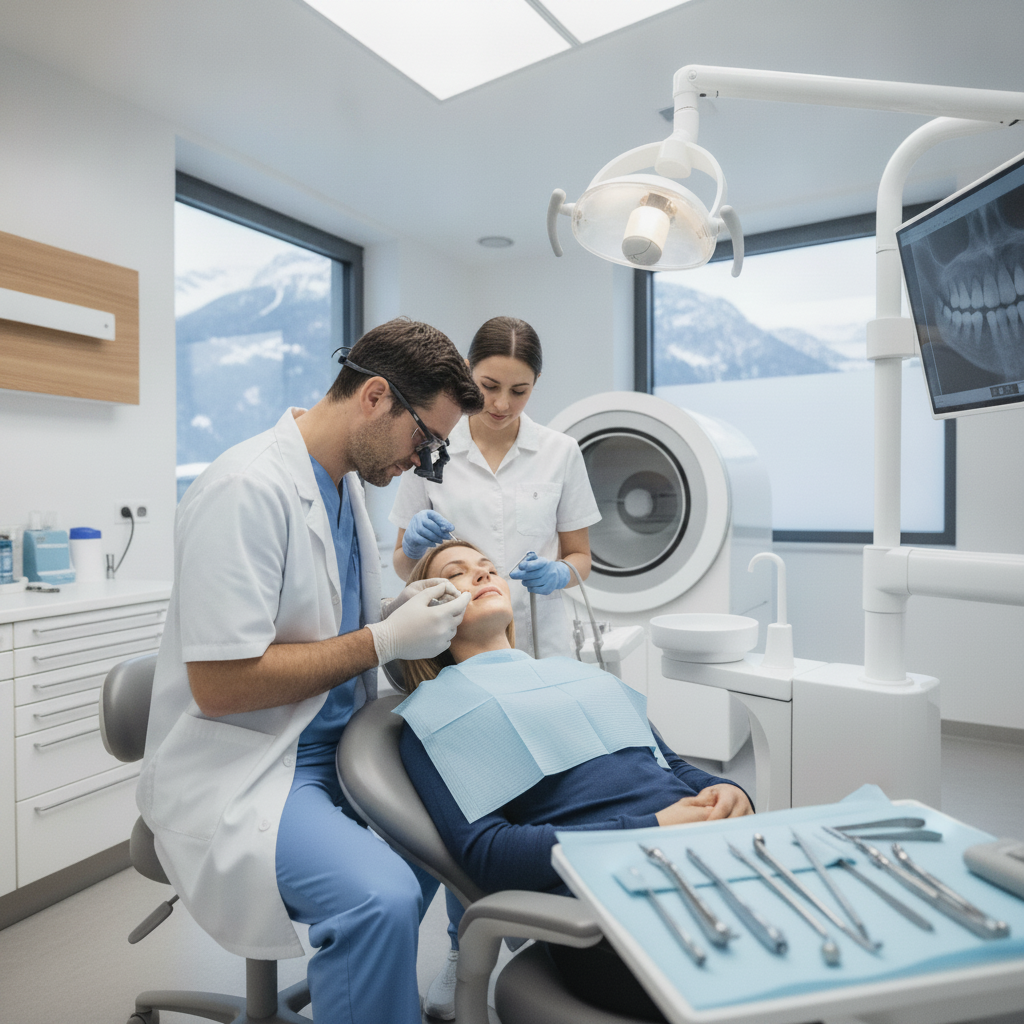
Whether it’s a routine filling or a complex surgical procedure, Swiss dental clinics go to great lengths to ensure that patients experience minimal to no pain during treatment and a comfortable recovery. Therefore, those considering dental treatments in Switzerland can rest assured that their comfort and well-being will be a top priority, making the journey to a healthier smile a far less daunting prospect than commonly imagined. Modern dental care has evolved to prioritize not just clinical success, but also a truly comfortable and stress-free patient experience.