How Many Visits Are Needed for Implants Switzerland?
Navigating the journey to a restored smile with dental implants in Switzerland often begins with a fundamental question: “How many visits will this entail?” The answer, while varying for each individual, generally involves a series of carefully planned appointments designed to ensure the highest standard of care, optimal healing, and long-term success. Switzerland is renowned for its precision in medical and dental procedures, and dental implantology is no exception, adhering to meticulous protocols that prioritize patient well-being and exceptional outcomes.
How Many Visits Are Needed for Implants Switzerland?
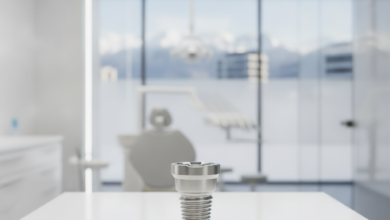
Dental implants represent a sophisticated solution for replacing missing teeth, providing a durable and aesthetically pleasing alternative to traditional bridges or dentures. They consist of a titanium post surgically placed into the jawbone, acting as an artificial tooth root, followed by an abutment and a custom-made crown. The multi-stage nature of this treatment is precisely what contributes to its high success rate and longevity.
Understanding the Dental Implant Process: A Multi-Stage Approach
The process of receiving a dental implant is not a single appointment procedure, primarily because it involves biological healing processes that require time. These stages are crucial for the implant to properly integrate with the jawbone, a process known as osseointegration. Each stage requires specific clinical actions and recovery periods, dictating the number of visits.
Let’s break down the typical sequence of visits a patient might expect for a standard dental implant procedure:
1. **Initial Consultation and Assessment (Visit 1):**
This foundational visit is paramount. It involves a comprehensive oral examination by the implant specialist. The dentist will assess your overall oral health, review your medical history, discuss your aesthetic goals, and determine if you are a suitable candidate for implants. This typically includes taking digital X-rays and possibly 3D Cone Beam Computed Tomography (CBCT) scans to evaluate bone quality, quantity, and the precise location of nerves and sinuses. This diagnostic information is critical for meticulous treatment planning.
2. **Detailed Treatment Planning (Often part of Visit 1 or a separate quick follow-up):**
Based on the diagnostic imaging, the dental team will develop a customized treatment plan. This involves determining the exact position, angle, and size of the implant(s), and outlining any preparatory procedures needed, such as tooth extractions or bone grafting. This plan is then thoroughly reviewed with the patient.
3. **Preparatory Procedures (Additional Visits, if necessary):**
* **Tooth Extraction:** If the failing tooth is still present, its extraction will be scheduled as a separate appointment. A healing period is usually required before implant placement, often several weeks to a few months, depending on the site and individual healing.
* **Bone Grafting:** In cases where the jawbone lacks sufficient volume or density to support an implant, a bone grafting procedure will be performed. This involves adding bone material to the site, which then needs several months (typically 4-9 months) to heal and integrate before implant placement can occur. This alone can add one or two visits for the grafting procedure itself and subsequent check-ups.
4. **Implant Placement Surgery (Visit 2 – The Core Surgical Appointment):**
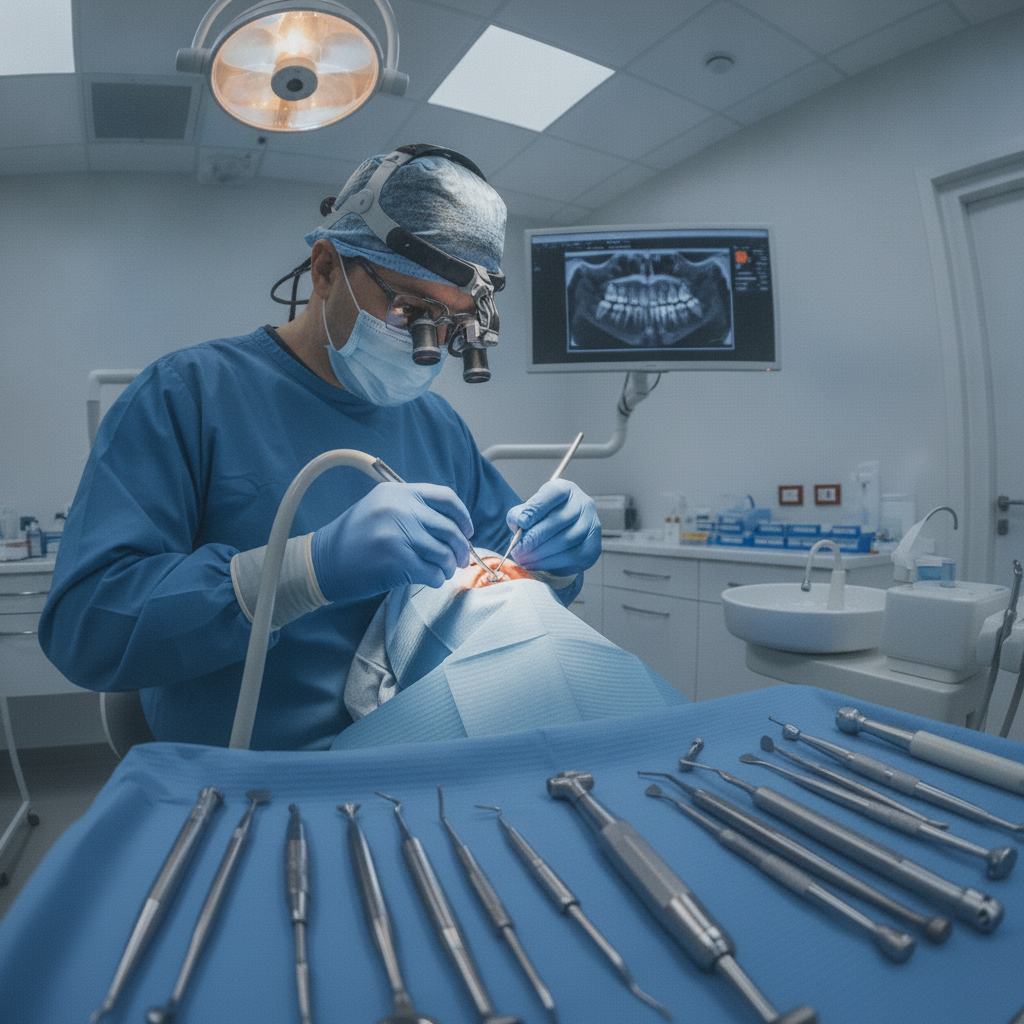
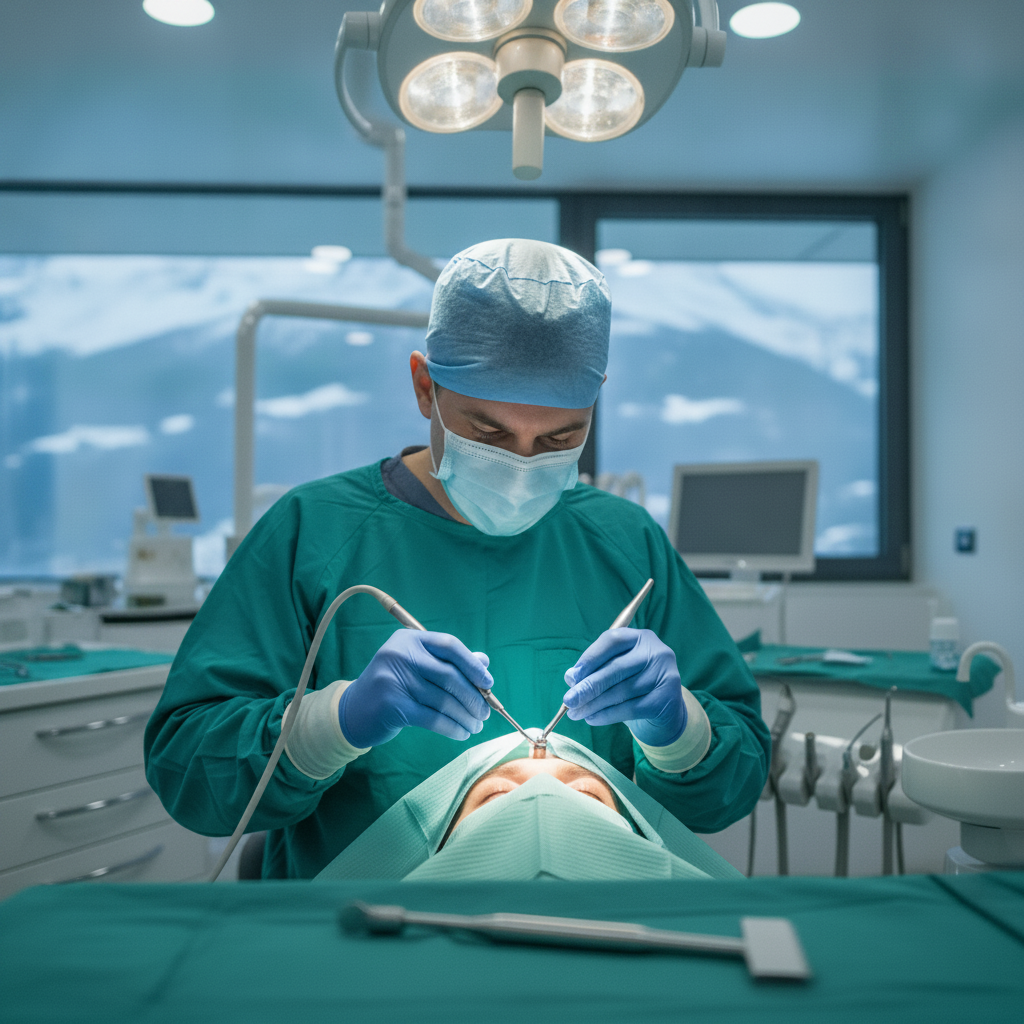
This is the day the titanium implant post is surgically placed into the jawbone. The procedure is performed under local anesthesia, and sometimes with sedation, to ensure patient comfort. A small incision is made in the gum to expose the bone, a pilot hole is drilled, and the implant screw is carefully inserted. The gum tissue is then sutured over the implant, or a healing cap may be placed depending on the approach. This single surgical visit can last from 1 to 3 hours, depending on the complexity and number of implants.
5. **Healing Period and Osseointegration (Follow-up Visits):**
After implant placement, a critical healing period begins, typically lasting 3 to 6 months. During this time, the implant fuses with the surrounding jawbone. The dentist will schedule occasional follow-up appointments (Visit 3 and potentially Visit 4, or more) to monitor the healing process and ensure proper osseointegration. These check-ups are usually quick visual examinations and sometimes involve X-rays.
6. **Abutment Placement (Visit 5):**
Once osseointegration is complete, a second, minor surgical procedure may be required if the implant was covered by gum tissue. This involves making a small incision to expose the top of the implant and attaching a healing abutment, which is a small metal collar that protrudes through the gum, allowing the gum tissue to heal correctly around it. In other cases, if a healing cap was used from the start, this step might simply involve removing the healing cap and attaching the final abutment, which is the connector piece between the implant and the crown.
7. **Impression Taking (Visit 6):**
After the gum tissue has healed around the abutment (typically 1-2 weeks), impressions of your mouth are taken. These impressions, along with detailed measurements and shade matching, are sent to a dental laboratory where your custom-made porcelain crown (the visible tooth) will be fabricated. Digital impressions using intraoral scanners are also becoming increasingly common, offering greater precision and comfort.
8. **Crown Placement (Visit 7 – The Final Restoration):**
This is the culminating visit where your custom-fabricated crown is securely attached to the abutment. The dentist will ensure the fit, bite, and aesthetics are perfect before permanently cementing or screwing the crown into place. Minor adjustments may be made to ensure comfort and proper function.
How Many Visits Are Needed for Implants Switzerland: Factors Influencing the Count
The precise number of visits can fluctuate based on several individualized factors:
* **Bone Health and Grafting Needs:** As mentioned, insufficient bone volume necessitates grafting, adding more visits and extending the overall treatment duration.
* **Number of Implants:** A single implant will naturally require fewer clinical hours than multiple implants or a full arch restoration. However, the *number of distinct visits* might not scale linearly; some steps can be combined.
* **Type of Implant Procedure:**
* **Traditional Staged Implants:** This is the most common approach, involving multiple stages and healing periods as described above.
* **Immediate Placement:** If a tooth is extracted and an implant can be placed during the same visit (immediately), it can save one surgical appointment. However, strict criteria must be met, including sufficient bone and no infection.
* **Immediate Loading/Same-Day Implants:** In very specific cases, a temporary crown can be placed on the implant immediately after surgery. While this reduces the waiting time for a functional tooth, the *number of underlying clinical visits* for assessment, surgery, and final restoration remains substantial, though perhaps compressed. You can learn more about this specific approach by visiting Same-Day Dental Implants Switzerland.
* **Patient’s Overall Health:** Certain medical conditions or medications can affect healing, potentially requiring more frequent monitoring or a slower pace between stages.
* **Presence of Other Dental Issues:** Untreated gum disease or other infections must be resolved before implant placement, adding preliminary visits.
* **Clinic’s Technology and Workflow:** Advanced clinics in Switzerland often utilize CAD/CAM technology, which can streamline the crown fabrication process, potentially reducing the lab time and impression visits.
Typical Visits and Timeframes for Dental Implants in Switzerland
To provide a clearer picture, here’s a general overview of the typical stages, associated visits, and estimated timeframes for a standard dental implant procedure:
| Phase of Treatment | Typical Number of Visits | Estimated Timeframe (Cumulative) | Key Activities |
|---|---|---|---|
| Initial Consultation & Planning | 1-2 | Day 1 – Week 2 | Examination, X-rays/CBCT, treatment discussion, impression (if needed) |
| Preparatory Procedures (e.g., Extraction, Bone Graft) | 1-2 (if needed) | Week 2 – Month 9 (includes healing) | Removal of tooth, grafting surgery, initial healing, follow-up check |
| Implant Placement Surgery | 1 | Month 3 – Month 10 (depending on prep) | Surgical insertion of the titanium implant post |
| Osseointegration (Healing Period) | 1-2 (for check-ups) | 3-6 months post-surgery | Implant fuses with jawbone, monitoring appointments |
| Abutment Placement & Healing | 1-2 | Month 6 – Month 12 | Exposing implant, attaching healing abutment, gum healing |
| Impression & Crown Fabrication | 1 | Month 6.5 – Month 12.5 | Taking final impressions, shade matching for custom crown |
| Final Crown Placement | 1 | Month 7 – Month 13 | Attachment of permanent crown, final adjustments |
| **Total Standard Visits (minimum)** | **Approximately 6-8** | **7-18 Months (total duration)** |
This table illustrates that while the active ‘surgical’ visits might be few, the overall process is spread out due to essential biological healing phases. The timeline can be significantly extended if bone grafting or other complex preparatory work is required.
Why Multiple Visits Are Essential for Quality and Success
The phased approach to dental implants, necessitating multiple visits, is not merely a matter of convenience for the clinic. It is fundamental to the long-term success and predictability of the treatment. Each stage serves a critical purpose:
* **Precise Planning:** The initial visits allow for thorough diagnostics and digital planning, minimizing risks and ensuring accurate implant placement.
* **Optimal Healing:** The waiting periods between stages are crucial for the body to heal naturally. Osseointegration is a biological process that cannot be rushed, ensuring the implant forms a strong, stable bond with the bone. Rushing this process can lead to implant failure.
* **Reduced Risk of Complications:** By allowing adequate healing and monitoring progress, dentists can identify and address any potential issues early, preventing more significant complications.
* **Aesthetic Integration:** Time is also needed for the gum tissue to heal and mature around the abutment, contributing to a natural-looking emergence profile for the final crown.
* **Long-Term Durability:** Adhering to these stages ensures the implant is firmly rooted, providing a stable foundation for the restoration that can last for decades with proper care.
What to Expect During Your Dental Implant Journey in Switzerland
Patients undergoing dental implant treatment in Switzerland can expect a high level of professionalism, advanced technology, and personalized care. Swiss dental practices are known for their stringent hygiene standards, state-of-the-art equipment, and highly qualified specialists. Each visit, from the initial consultation to the final crown placement, is conducted with precision and attention to detail. Communication will be clear, with the dental team explaining each step and what to expect during healing periods.
Even after the final crown is placed, regular follow-up visits are vital for the longevity of your dental implant. These typically align with your routine dental check-ups (e.g., once or twice a year). During these appointments, the dentist will examine the implant, surrounding tissues, and the health of your remaining teeth, as well as perform professional cleanings. This post-treatment care helps detect any potential issues early and ensures your implant continues to function optimally for many years.
In summary, while the thought of multiple dental visits might seem daunting, each appointment is a deliberate step towards achieving a fully restored, functional, and beautiful smile. The number of visits, while generally falling within a 6-8 visit range for standard cases, is a reflection of the commitment to excellence and the scientific principles that underpin successful dental implantology. For further information on the scientific background of dental implants, you may consult resources such as Wikipedia’s article on Dental Implants. In Switzerland, this commitment ensures patients receive world-class treatment and lasting results.