Pain Level of Dental Procedures Switzerland
Pain Level of Dental Procedures Switzerland
Embarking on a dental journey, whether for routine maintenance or more complex treatments, often brings with it questions about comfort and potential discomfort. In Switzerland, known for its precision, innovation, and high standards across all sectors, dental care is no exception. Patients seeking dental procedures in this advanced nation can anticipate a strong emphasis on effective pain management, utilizing cutting-edge techniques and a patient-centric approach to ensure as comfortable an experience as possible. Understanding the typical pain levels associated with various dental treatments is key to alleviating anxiety and making informed decisions about one’s oral health.
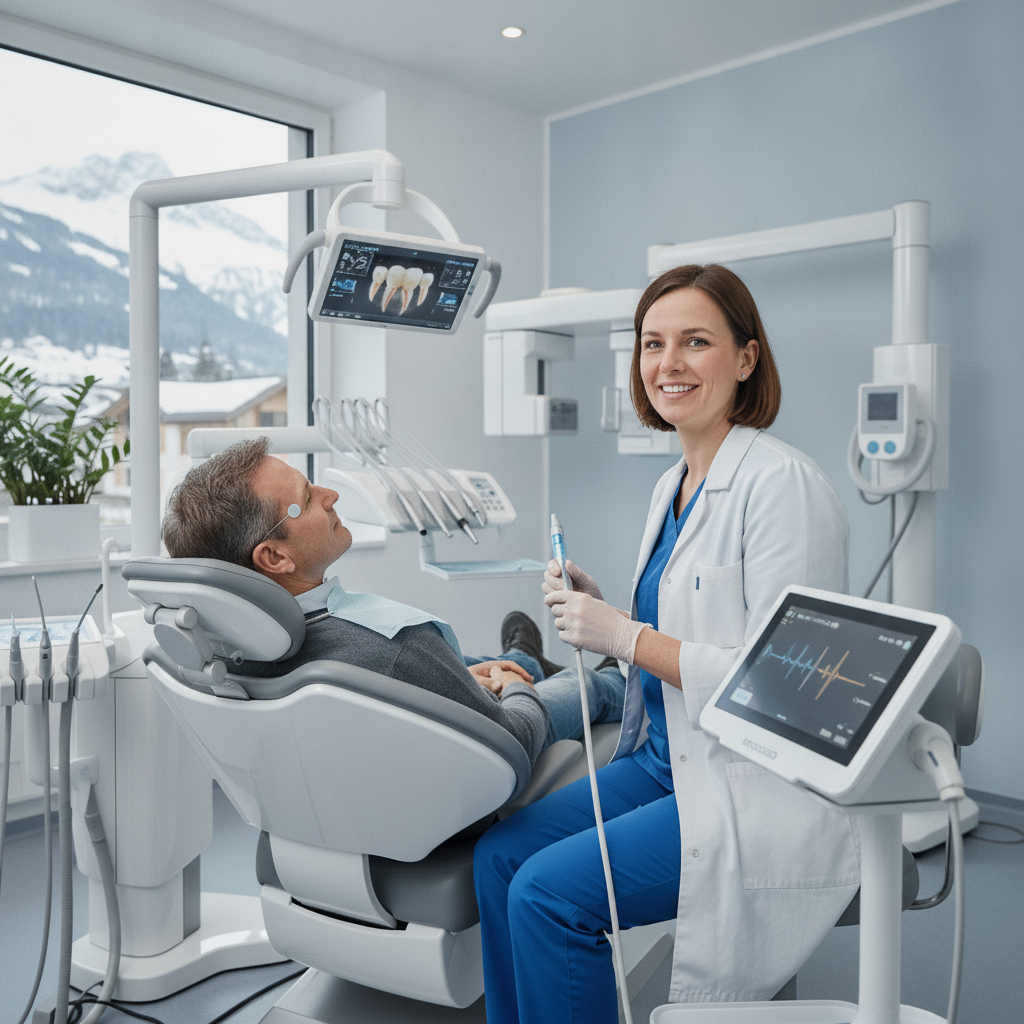
Understanding Dental Pain: A Swiss Perspective
Dental pain is a subjective experience, varying greatly from person to person due to individual pain thresholds, anxiety levels, and previous dental experiences. However, the objective of modern dentistry in Switzerland is universally to minimize discomfort, turning potentially daunting procedures into manageable and often painless experiences. Swiss dental clinics are equipped with state-of-the-art technology and staffed by highly trained professionals who prioritize patient well-being. This commitment extends from the initial consultation, where concerns about pain are thoroughly addressed, to the procedure itself, and through comprehensive post-operative care. The overarching philosophy is that excellent dental care should not be synonymous with pain, but rather with relief and lasting oral health.
Modern Anesthesia and Sedation Options in Swiss Dentistry
The cornerstone of pain management in dental procedures is effective anesthesia and, when necessary, sedation. Swiss dental practices offer a comprehensive range of options tailored to individual patient needs and the specific procedure being performed:
- Local Anesthesia: This is the most common form, used for a vast majority of procedures, from fillings to extractions. It numbs the specific area being treated, ensuring that while you may feel pressure, you will not experience pain. Swiss dentists are highly skilled in administering local anesthetics, often using techniques that minimize the initial prick of the injection itself.
- Nitrous Oxide (Laughing Gas): For patients with mild anxiety or for procedures requiring a slightly elevated level of relaxation, nitrous oxide is an excellent option. It helps patients relax and feel more comfortable, with effects that wear off quickly after the procedure, allowing for a swift return to normal activities.
- Oral Sedation: Administered as a pill taken before the appointment, oral sedatives induce a state of deep relaxation, though the patient remains conscious and able to respond. This is ideal for those with moderate dental anxiety or for longer procedures.
- Intravenous (IV) Sedation: For more complex procedures or for patients with significant anxiety, IV sedation provides a deeper level of relaxation, often leading to little or no memory of the procedure itself. Administered and monitored by trained professionals, it ensures maximum comfort and safety throughout the treatment.
These options, combined with the calm and professional environment prevalent in Swiss dental clinics, contribute significantly to a virtually pain-free experience for most patients.
Pain Level of Dental Procedures Switzerland: A Comprehensive Guide
Understanding the expected level of discomfort for various dental procedures can significantly reduce apprehension. While pain perception is individual, the following general guide outlines typical experiences in Swiss dental practices, where advanced techniques and patient comfort are paramount.
| Procedure | Typical Discomfort Level (0-10) | Primary Anesthesia Used | Post-Procedure Expectations |
|---|---|---|---|
| Routine Check-up & Cleaning | 0-1 (Mild sensitivity) | None / Topical (for sensitive areas) | Clean feeling, no significant discomfort |
| Dental Fillings | 1-2 (Pressure, slight sensitivity) | Local Anesthesia | Mild sensitivity for a few days, especially to hot/cold |
| Tooth Extractions (Simple) | 2-4 (Pressure, dull ache) | Local Anesthesia | Soreness, swelling, managed with OTC pain relief |
| Root Canal Treatment | 1-3 (During treatment, mostly pressure) | Local Anesthesia | Relief from initial pain, mild soreness for a few days |
| Dental Crowns & Bridges | 2-3 (During preparation, temporary sensitivity) | Local Anesthesia | Temporary sensitivity, discomfort from temporary crown |
| Veneers & Cosmetic Bonding | 0-2 (Minimal, slight pressure) | None / Local Anesthesia (minimal prep) | No significant post-procedure pain, possibly mild sensitivity |
| Gum Surgery | 3-6 (Post-operative discomfort) | Local Anesthesia / Sedation | Swelling, soreness, managed with prescribed pain medication |
| Dental Implants | 3-5 (Post-operative discomfort) | Local Anesthesia / Sedation | Swelling, bruising, managed with prescribed pain medication |
Routine Check-ups and Cleanings: Virtually Painless
The least invasive of all dental procedures, routine check-ups and professional cleanings are typically painless. Some individuals with particularly sensitive teeth or gums might experience a mild, transient sensation during scaling, but this is usually minor and short-lived. Advanced ultrasonic scaling devices used in Switzerland are designed for efficiency and patient comfort, minimizing any potential discomfort. These preventive measures are crucial for avoiding more painful issues down the line.
Dental Fillings: Quick and Comfortable
Modern dental fillings, particularly composite resin fillings, are performed with precision and care. After administering local anesthesia, the affected tooth is numbed, ensuring no pain is felt during the removal of decayed material or the placement of the filling. Patients might feel some pressure or vibration, but no sharp pain. Post-procedure, a slight sensitivity to hot or cold temperatures might occur for a few days, which typically subsides naturally or with over-the-counter pain relief.
Tooth Extractions: Managed Discomfort
While the idea of a tooth extraction can be daunting, with modern local anesthesia, the procedure itself is painless. What patients typically experience is pressure rather than pain as the tooth is gently loosened and removed. For more complex extractions, such as impacted wisdom teeth, sedation options are often utilized to enhance patient comfort. Post-extraction, swelling and a dull ache are common, manageable with prescribed pain medication and following specific aftercare instructions to promote healing.
Root Canal Treatment: Eliminating Pain, Not Causing It
Root canal treatment is often performed to relieve severe toothache caused by an infected pulp. Contrary to popular misconception, the procedure itself, performed under local anesthesia, is generally no more uncomfortable than a standard filling. The goal is to remove the infected tissue and seal the tooth, thus eliminating the source of pain. Post-treatment, patients might experience mild sensitivity or soreness for a few days as the area heals, which is effectively managed with pain relievers.
Dental Crowns and Bridges: Precision with Minimal Discomfort
Preparing a tooth for a crown or bridge involves reshaping the tooth structure, which is done under local anesthesia. Patients will not feel pain during this process, although they may feel vibrations or pressure. A temporary crown or bridge is then placed, which might cause some initial sensitivity. Once the permanent restoration is cemented, any residual sensitivity usually diminishes quickly. The precision of dental procedures in Switzerland ensures an excellent fit, minimizing future discomfort.
Gum Surgery: Advanced Techniques for Greater Comfort
Procedures like gingivectomy, gum grafting, or osseous surgery, while more invasive, are performed with meticulous attention to pain management. Local anesthesia is standard, and sedation options are frequently offered to ensure patient relaxation throughout the procedure. Post-operative discomfort, including swelling and soreness, is expected but carefully managed with prescribed pain medication and clear aftercare instructions. Adherence to these guidelines is crucial for a smooth recovery and successful outcome.
Dental Implants: A Surgical Journey with Controlled Pain
Dental implant placement is a surgical procedure, but with modern anesthetic and sedation techniques, it is remarkably comfortable for the patient. Local anesthesia ensures the surgical site is completely numb, and many patients opt for additional sedation for a more relaxed experience. While some pressure may be felt during the procedure, acute pain is avoided. Post-operatively, mild to moderate discomfort, swelling, and bruising are common, typically peaking within 24-48 hours and managed effectively with prescribed pain relief. Recovery protocols are designed to minimize inconvenience and promote rapid healing.
Veneers and Cosmetic Procedures: Aesthetics Without Anguish
Cosmetic procedures such as dental veneers or composite bonding are generally minimally invasive and often require little to no anesthesia. If tooth preparation is necessary for veneers, local anesthesia may be used to ensure comfort. The focus is on aesthetic enhancement with minimal disruption to the natural tooth structure, resulting in virtually no post-procedure pain, perhaps just a temporary feeling of adjustment to the new tooth shape.
Innovations in Pain Management: The Swiss Advantage
Swiss dentistry continually integrates technological advancements to further enhance patient comfort and reduce pain. Laser dentistry, for instance, offers a minimally invasive alternative for certain procedures, often reducing the need for anesthesia and promoting faster healing with less post-operative discomfort. Digital imaging, including 3D cone beam CT scans, provides dentists with unparalleled precision in diagnosis and treatment planning, minimizing procedural invasiveness and optimizing outcomes. Moreover, the emphasis on personalized treatment plans and open communication ensures that each patient’s unique pain threshold and anxiety levels are taken into account, fostering a truly patient-centric approach.
Post-Procedure Care: Ensuring a Smooth Recovery
Effective post-operative care is as crucial as the procedure itself in managing pain and ensuring a smooth recovery. Swiss dental professionals provide detailed instructions on medication, dietary restrictions, oral hygiene, and managing swelling or discomfort. This might include prescribing pain relievers, recommending ice packs, and advising on soft food diets. Adhering to these guidelines diligently contributes significantly to a comfortable and swift healing process.
The Psychological Aspect of Dental Pain
Beyond the physical sensations, the psychological impact of dental pain and anxiety cannot be overstated. Swiss dental practices recognize this and adopt a holistic approach, creating a calming environment and employing strategies to ease patient apprehension. This includes clear communication about each step of the procedure, reassuring explanations, and the option for sedation. Understanding that the dental team is dedicated to their comfort can profoundly alter a patient’s perception of pain and overall experience. Addressing pain management effectively encompasses both physiological and psychological considerations.
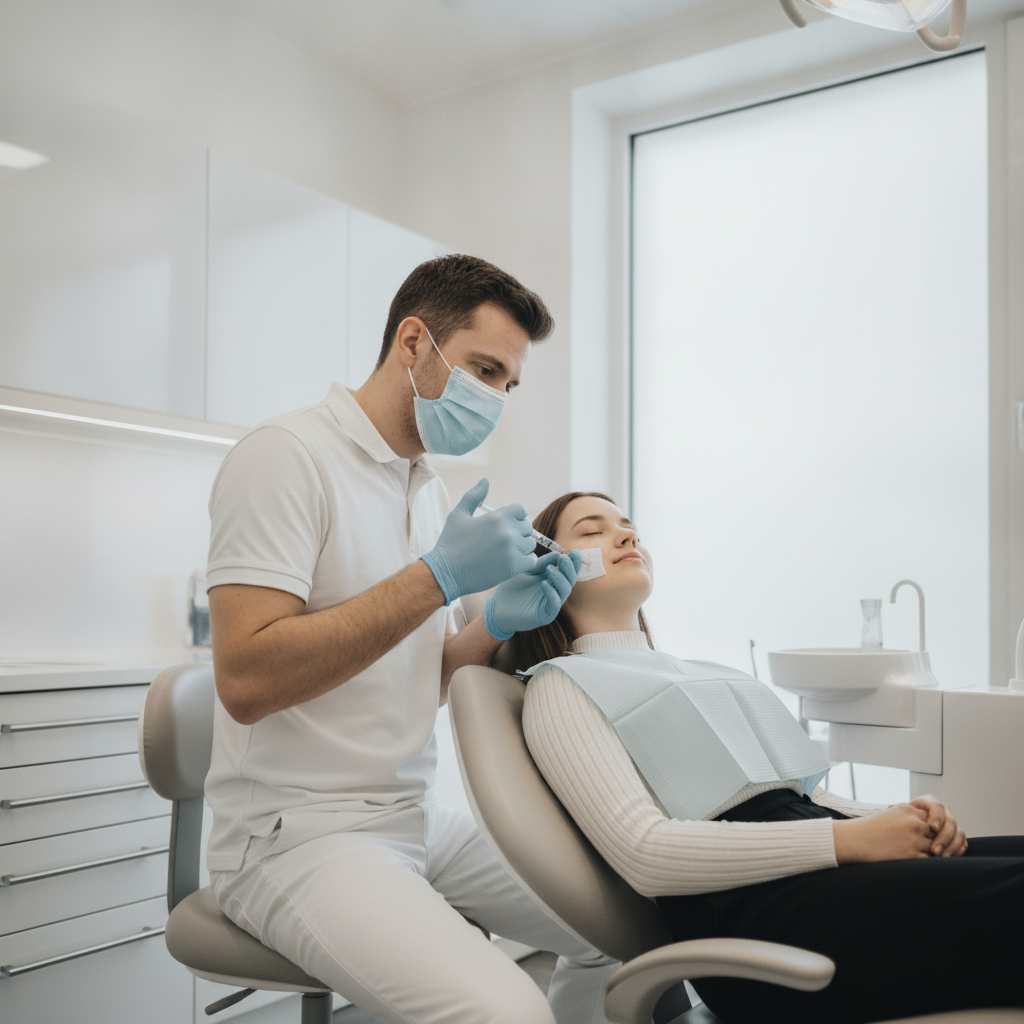
In Switzerland, the commitment to excellence in dental care extends to ensuring every patient experiences the highest level of comfort and the least possible pain during and after their procedures. Through advanced techniques, personalized anesthesia, and compassionate care, Swiss dentists are setting the standard for a pain-free dental journey, reinforcing the belief that achieving optimal oral health should always be a positive and comfortable experience.