Gum Surgery Switzerland – What to Expect

Periodontal health is fundamental to overall well-being, influencing not just oral function but also systemic health. In a country renowned for its precision, medical excellence, and serene environment, seeking gum surgery in Switzerland offers patients access to some of the finest dental care globally. This comprehensive guide will illuminate the process, types of procedures, and what individuals can anticipate when considering advanced periodontal treatment in this esteemed European nation.
Gum Surgery Switzerland – What to Expect
Understanding Gum Disease: The Precursor to Gum Surgery Switzerland
Gum disease, medically termed periodontal disease, is a common inflammatory condition affecting the tissues surrounding and supporting the teeth. It typically begins with gingivitis, a milder form characterized by inflamed, bleeding gums. If left untreated, gingivitis can progress to periodontitis, a more severe condition where the inner layer of the gum and bone pull away from the teeth, forming pockets that become infected. As the body’s immune system battles the bacteria, the infection and inflammation can lead to the destruction of the bone and connective tissue holding teeth in place, eventually resulting in tooth loss.
The primary cause of gum disease is plaque, a sticky film of bacteria that constantly forms on the teeth. Other contributing factors include genetics, smoking, hormonal changes, certain medications, and systemic diseases like diabetes. Recognizing the early signs, such as persistent bad breath, red or swollen gums, tender or bleeding gums, pain when chewing, and sensitive teeth, is crucial for timely intervention. Advanced stages of periodontitis necessitate professional care, often including surgical interventions, to halt its progression and restore oral health.
When is Gum Surgery Necessary?
While non-surgical treatments like professional dental cleanings, scaling, and root planing (deep cleaning) are often the first line of defense against gum disease, these methods may not be sufficient for advanced cases. Gum surgery becomes necessary when deep periodontal pockets persist, bone loss is significant, or gum tissue is severely damaged or receded. These conditions create environments where bacteria can thrive, leading to further destruction and potential tooth loss.
A periodontist, a dental specialist focusing on the prevention, diagnosis, and treatment of periodontal disease, will thoroughly assess your condition using X-rays, probing pocket depths, and examining gum tissue health. Surgical options are typically considered when:
- Pockets around the teeth are too deep to be effectively cleaned by non-surgical methods.
- There is significant bone loss that threatens the stability of the teeth.
- Gum recession exposes tooth roots, leading to sensitivity and vulnerability to decay.
- Irregular gum lines or excessive gum tissue (gingival hyperplasia) require reshaping for aesthetic or functional reasons.
Switzerland’s dental clinics are equipped with state-of-the-art diagnostic tools and highly skilled periodontists who can precisely determine the most appropriate course of treatment.
Types of Gum Surgery Available in Switzerland
Switzerland’s leading dental facilities offer a comprehensive range of gum surgery options, each tailored to address specific periodontal issues. These procedures aim to reduce pockets, regenerate lost tissue, and restore the natural contour of the gums and supporting bone.
| Type of Gum Surgery | Primary Goal | Indications |
|---|---|---|
| Flap Surgery (Pocket Reduction Surgery) | Reduce pocket depth, remove bacteria, recontour bone | Deep periodontal pockets, moderate to severe bone loss |
| Bone Grafting | Regenerate bone lost due to periodontal disease | Significant bone loss around teeth or for future implant placement |
| Soft Tissue Grafts (Gum Grafts) | Cover exposed roots, reduce sensitivity, prevent further recession | Gum recession, root sensitivity, aesthetic concerns |
| Guided Tissue Regeneration (GTR) | Encourage natural bone and tissue growth | Bone and tissue loss around teeth, often combined with flap surgery |
| Gum Contouring | Reshape gum line for aesthetic improvement | “Gummy” smile, uneven gum line |
**Flap Surgery (Pocket Reduction Surgery):** During this common procedure, the periodontist folds back the gum tissue to gain access to the roots. Infected tissue is removed, and the underlying bone may be reshaped to eliminate pockets and reduce areas where bacteria can accumulate. The gum tissue is then repositioned and sutured back in place.
**Bone Grafting:** When periodontal disease has destroyed the bone supporting the teeth, a bone graft can be used to regenerate lost bone. Graft materials can come from the patient’s own bone, a synthetic material, or a donor. The graft helps to stabilize the tooth and provides a foundation for future restorative work, such as dental implants.
**Soft Tissue Grafts (Gum Grafts):** Gum recession exposes tooth roots, leading to sensitivity and an increased risk of decay. Soft tissue grafts involve taking tissue from another area of the mouth (often the palate) or using donor tissue, and attaching it to the receded gum line. This covers exposed roots, reduces sensitivity, and improves the aesthetic appearance of the smile.
**Guided Tissue Regeneration (GTR):** This procedure is often performed in conjunction with flap surgery. A small, biocompatible membrane is placed between the gum tissue and the bone. This membrane creates space for bone and connective tissue to grow, preventing gum tissue from growing into the area where bone should be.
**Gum Contouring:** While not strictly a corrective surgery for disease, gum contouring is a cosmetic procedure that reshapes the gum line. It’s often performed for individuals with a “gummy smile” or uneven gum tissue, using lasers or scalpels to sculpt a more balanced and aesthetically pleasing gum line.
The Gum Surgery Procedure in Switzerland: A Step-by-Step Guide
Undergoing gum surgery in Switzerland typically follows a well-defined and meticulously executed process, ensuring patient comfort and optimal outcomes.
**1. Initial Consultation and Diagnosis:** Your journey begins with a thorough consultation with a highly qualified periodontist. This includes a comprehensive examination of your oral health, dental history, and a review of diagnostic images such as X-rays and 3D scans. The periodontist will precisely assess the extent of your gum disease, bone loss, and overall periodontal condition to determine the most suitable surgical approach. They will explain the procedure in detail, discuss potential risks and benefits, and answer all your questions.
**2. Anesthesia Options:** Before the surgery, your comfort is paramount. Most gum surgeries are performed under local anesthesia, meaning the area being treated will be completely numb, but you will remain awake. For patients with dental anxiety or those undergoing more extensive procedures, options like conscious sedation (oral or intravenous) are often available, allowing for a relaxed and stress-free experience. Swiss clinics prioritize patient well-being, utilizing advanced anesthesia techniques administered by experienced professionals.
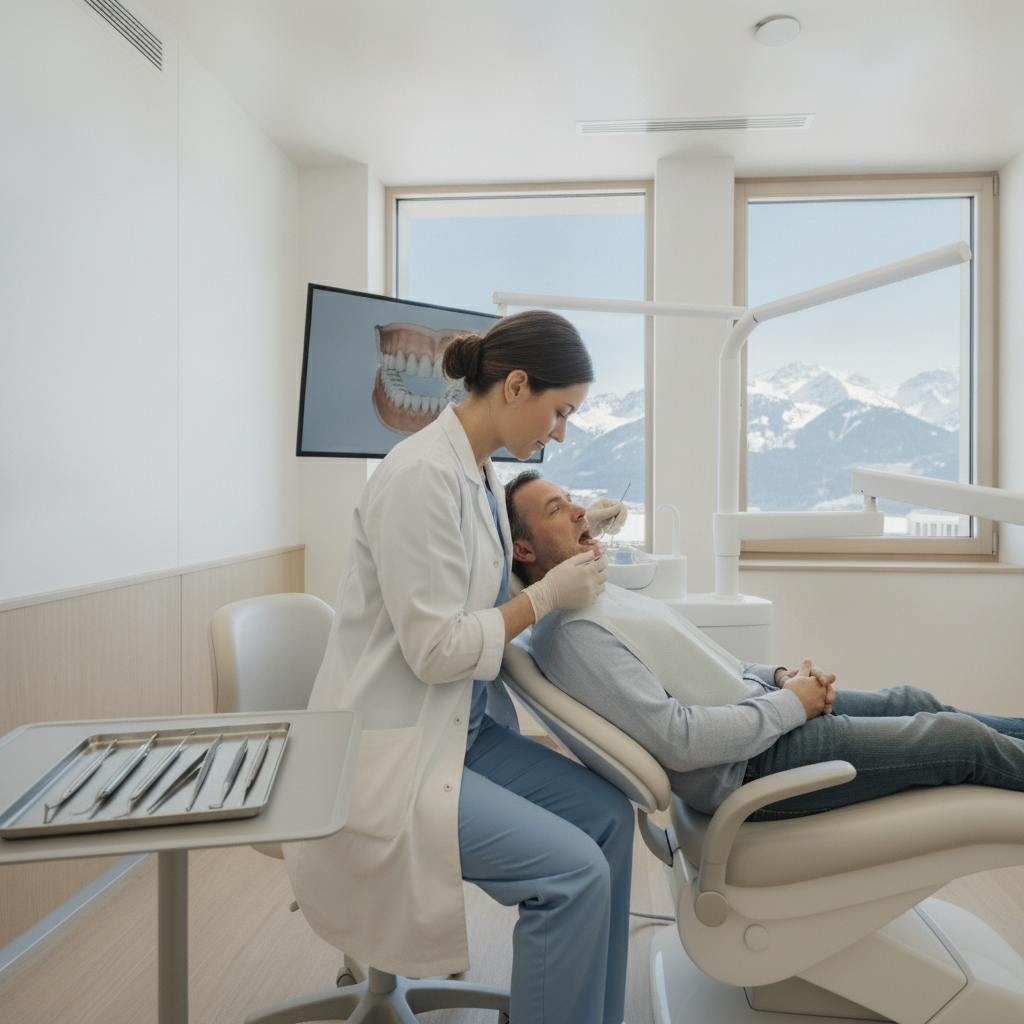
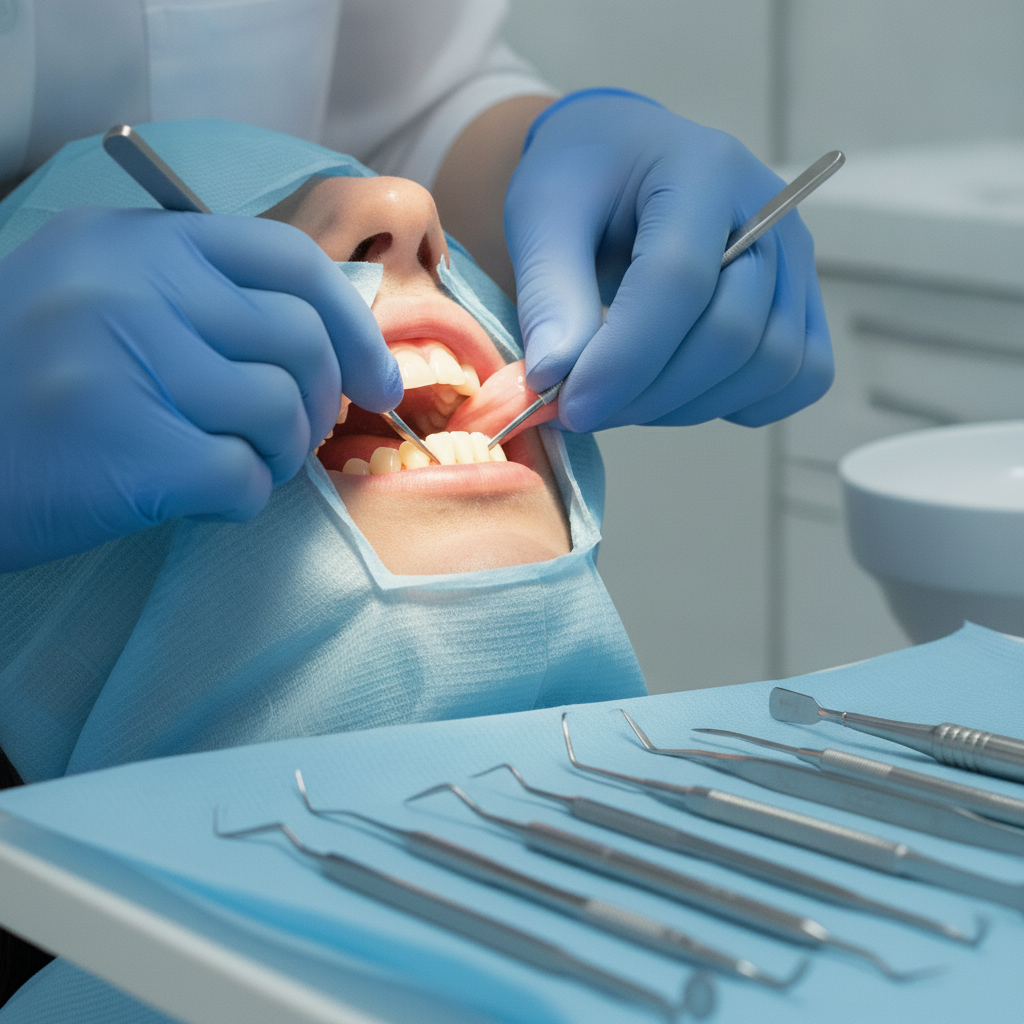
**3. The Surgical Process:** The specific steps vary depending on the type of surgery. For a common procedure like flap surgery, the periodontist will gently numb the area, make small incisions in the gum tissue, and carefully fold it back to expose the tooth roots and underlying bone. They will then meticulously remove plaque, calculus (tartar), and diseased tissue from the root surfaces. If necessary, the bone may be reshaped, or a graft material may be placed. Finally, the gum tissue is repositioned smoothly against the teeth and secured with tiny sutures, which may dissolve over time or be removed at a follow-up appointment.
**4. Immediate Post-Operative Care at the Clinic:** Following the procedure, the dental team will provide detailed instructions for immediate post-operative care. This often includes applying a periodontal dressing to protect the surgical site, managing any initial bleeding, and discussing pain management strategies. You will typically be given a contact number for any urgent concerns.
Recovery and Aftercare: Ensuring Optimal Healing
Proper recovery and diligent aftercare are critical for the success of gum surgery. Your periodontist will provide personalized instructions, but general guidelines include:
* **Pain Management:** Mild to moderate discomfort is normal. Over-the-counter pain relievers or prescribed medication will help manage pain. Applying ice packs to the outside of the face can reduce swelling.
* **Dietary Recommendations:** For the first few days, a soft diet is advised to avoid disturbing the surgical site. Avoid hot, spicy, or crunchy foods. Gradually reintroduce normal foods as comfort allows.
* **Oral Hygiene:** Maintaining oral hygiene is crucial, but delicate. You may be instructed to use a special antimicrobial mouthwash and to avoid brushing the surgical area directly for a specified period. Gentle brushing of other areas is encouraged.
* **Activity Restrictions:** Avoid strenuous physical activity for a few days to prevent increased bleeding or swelling.
* **Follow-up Appointments:** Several follow-up appointments will be scheduled to monitor healing, remove sutures if necessary, and ensure proper progress. Adhering to these appointments is vital.
It’s important to report any excessive bleeding, severe pain, or signs of infection (e.g., fever, pus) to your periodontist immediately. The healing period can range from a few weeks to several months, depending on the complexity of the surgery. For more detailed scientific information on periodontal disease and its treatments, consult reliable sources such as Wikipedia.
Choosing a Periodontist for Gum Surgery Switzerland
Selecting the right periodontist is paramount for successful gum surgery, especially in a country known for its high standards. When choosing a specialist for Gum Surgery Switzerland, consider the following:
* **Specialist Expertise and Experience:** Ensure the periodontist is board-certified and has extensive experience in the specific type of gum surgery you require. Look for evidence of continuous professional development and advanced training.
* **Clinic Accreditation and Technology:** Swiss dental clinics are generally known for their adherence to strict hygiene protocols and investment in cutting-edge technology. Confirm the clinic utilizes modern diagnostic tools (like 3D imaging), advanced surgical techniques (such as laser dentistry), and sterile environments.
* **Patient-Centered Approach:** A good periodontist will prioritize clear communication, provide thorough explanations, and involve you in decision-making regarding your treatment plan. Look for clinics with a reputation for excellent patient care and support.
* **Reputation and Testimonials:** Research the clinic’s and periodontist’s reputation. Online reviews, testimonials, and professional recommendations can provide valuable insights into their quality of service and patient satisfaction.
Long-Term Outlook and Maintaining Gum Health
Successfully undergoing gum surgery is a significant step towards restoring oral health, but it’s equally important to commit to long-term maintenance. Gum disease is a chronic condition, and recurrence is possible without proper care.
* **Regular Dental Check-ups and Cleanings:** Adhere to a schedule of regular check-ups and professional cleanings (usually every three to six months, depending on your individual needs) with your general dentist and periodontist. These appointments allow for early detection of any new issues and professional removal of plaque and tartar that regular brushing can miss.
* **Diligent Oral Hygiene:** Maintain an impeccable home oral hygiene routine, including brushing twice daily with a fluoride toothpaste, flossing daily, and using an antimicrobial mouthwash if recommended. Your periodontist can demonstrate proper techniques for cleaning around surgical sites and areas prone to plaque accumulation.
* **Lifestyle Factors:** Certain lifestyle choices can significantly impact gum health. If you smoke, quitting is one of the most impactful steps you can take to prevent gum disease recurrence. A balanced diet rich in vitamins and minerals also supports gum health.
* **Managing Systemic Conditions:** If you have systemic health conditions like diabetes, meticulous management is crucial, as these can affect your susceptibility to and progression of gum disease.
By combining the precision and expertise available for gum surgery in Switzerland with your diligent commitment to ongoing care, you can achieve and maintain excellent periodontal health for years to come. Investing in your gum health is an investment in your overall health and quality of life.