Teeth Whitening Switzerland – How It Works
Teeth Whitening Switzerland – How It Works
A brilliant, radiant smile is often considered a universal sign of health, confidence, and vitality. In a country renowned for its precision, quality, and commitment to excellence, it’s no surprise that professional teeth whitening in Switzerland is a highly sought-after cosmetic dental procedure. Modern dental science offers effective and safe solutions to combat tooth discoloration, transforming dull or stained teeth into a dazzling smile. This comprehensive guide delves into the nuances of teeth whitening, exploring the causes of discoloration, the various treatment options available in Switzerland, the step-by-step process of professional procedures, and how to maintain your newly brightened smile.
The pursuit of a whiter smile is not merely about aesthetics; it significantly impacts an individual’s self-perception and social interactions. Stained teeth can lead to self-consciousness, reluctance to smile, and a perceived reduction in overall attractiveness. Fortunately, advancements in cosmetic dentistry have made achieving a brighter smile more accessible and predictable than ever before, especially in a country like Switzerland, where dental standards are among the highest globally. Understanding the underlying reasons for tooth discoloration is the first step towards effective treatment.
Understanding Teeth Discoloration: Why Do Teeth Lose Their Luster?
Teeth can become discolored for a variety of reasons, broadly categorized into extrinsic (surface) and intrinsic (internal) stains. Extrinsic stains primarily affect the enamel, the outermost layer of the tooth, and are often easier to address with whitening treatments. Intrinsic stains, however, lie within the dentin, the inner layer, and can be more challenging to remove.
Common causes of extrinsic stains include:
- Dietary Habits: Frequent consumption of dark-colored foods and beverages such as coffee, tea, red wine, colas, berries, and certain sauces (e.g., soy sauce) can leave pigments on the enamel surface.
- Tobacco Use: Smoking or chewing tobacco is a significant contributor to stubborn yellow and brown stains due to nicotine and tar.
- Poor Oral Hygiene: Inadequate brushing and flossing allow plaque and tartar to accumulate, which can absorb stains and make teeth appear dull.
Intrinsic stains, which are often more resistant to conventional whitening methods, result from factors such as:
- Aging: As we age, the enamel thins, revealing more of the naturally yellowish dentin beneath.
- Trauma: Injuries to a tooth can cause internal bleeding and discoloration.
- Medications: Certain antibiotics, like tetracycline and doxycycline, when taken during tooth development, can cause severe intrinsic staining. Some antihistamines, antipsychotics, and high blood pressure medications can also contribute to discoloration.
- Excessive Fluoride: Fluorosis, caused by excessive fluoride intake during tooth formation, can lead to white or brown spots.
- Dental Restorations: Old silver amalgam fillings can cast a gray hue on teeth over time.
- Genetics: Some individuals naturally have brighter or darker tooth shades than others.
Identifying the cause of discoloration is crucial for a dental professional to recommend the most appropriate and effective whitening solution.
Types of Professional Teeth Whitening Treatments in Switzerland
Switzerland’s dental clinics offer a range of professional teeth whitening options, all overseen by qualified dentists to ensure safety and optimal results. These methods typically involve the use of carbamide peroxide or hydrogen peroxide, which break down stain molecules through an oxidation process.
In-Office Teeth Whitening (Chairside Bleaching)
This is the fastest and most effective way to whiten teeth, ideal for those seeking immediate results. The procedure is performed entirely in the dental office under strict professional supervision.
- High Concentration Agents: Dentists use a higher concentration of hydrogen peroxide (15-43%) compared to at-home kits.
- Protective Measures: Before applying the whitening gel, the gums and other soft tissues in the mouth are carefully protected with a rubber dam or a paint-on liquid dam to prevent irritation.
- Gel Application: The whitening gel is precisely applied to the tooth surfaces.
- Light Activation (Optional): Some systems use a special light or laser to accelerate the chemical reaction and enhance the whitening effect. However, the primary whitening action comes from the peroxide itself.
- Duration: A single session typically lasts between 60 to 90 minutes. Depending on the desired shade and the severity of staining, multiple sessions may be recommended.
The immediate results are often dramatic, with teeth becoming several shades lighter in just one visit.
Custom Take-Home Whitening Kits
For individuals who prefer to whiten their teeth in the comfort of their home or who have more sensitive teeth, dentists in Switzerland can provide custom-fitted take-home whitening kits.
- Impression Taking: The dentist takes impressions of your teeth to create custom-made clear plastic trays that fit precisely over your teeth.
- Professional-Grade Gel: You receive a supply of professional-strength whitening gel (typically 10-22% carbamide peroxide or 6-10% hydrogen peroxide) that is less concentrated than in-office gels.
- At-Home Application: You fill the trays with the prescribed amount of gel and wear them for a specified duration each day (e.g., 30 minutes to a few hours, or overnight) for one to two weeks, as instructed by your dentist.
While results are more gradual than in-office treatments, custom take-home kits offer excellent control over the whitening process and are highly effective for achieving significant and lasting results.
Over-the-Counter Whitening Products (A Word of Caution)
While various whitening toothpastes, strips, and gels are available in Swiss pharmacies and supermarkets, they typically contain lower concentrations of whitening agents and may not deliver the desired results. More importantly, without professional guidance, there’s a risk of improper use, leading to uneven whitening, gum irritation, or increased tooth sensitivity. A professional consultation ensures the chosen method is safe and suitable for your specific dental condition.
The Professional Teeth Whitening Switzerland Process: A Detailed Look
Choosing professional teeth whitening in Switzerland means opting for a meticulously managed process designed for safety and efficacy. Here’s what you can expect:
1. Initial Consultation and Assessment
The journey begins with a comprehensive dental examination. The dentist will:
- Evaluate Oral Health: Ensure your teeth and gums are healthy and free from cavities, gum disease, or other oral health issues that could contraindicate whitening.
- Identify Stain Causes: Determine the type and severity of your tooth discoloration to recommend the most effective treatment.
- Discuss Expectations: Understand your aesthetic goals and provide a realistic assessment of achievable results. Not all stains respond equally to whitening, and the final shade depends on your natural tooth color.
- Shade Matching: Record your current tooth shade using a shade guide to track progress.
2. Pre-Whitening Preparation
Before the whitening gel is applied, several steps are taken to ensure patient comfort and protect soft tissues:
- Dental Cleaning: A thorough professional cleaning (scaling and polishing) is often recommended before whitening to remove plaque and tartar, allowing the whitening agent to directly contact the tooth surface.
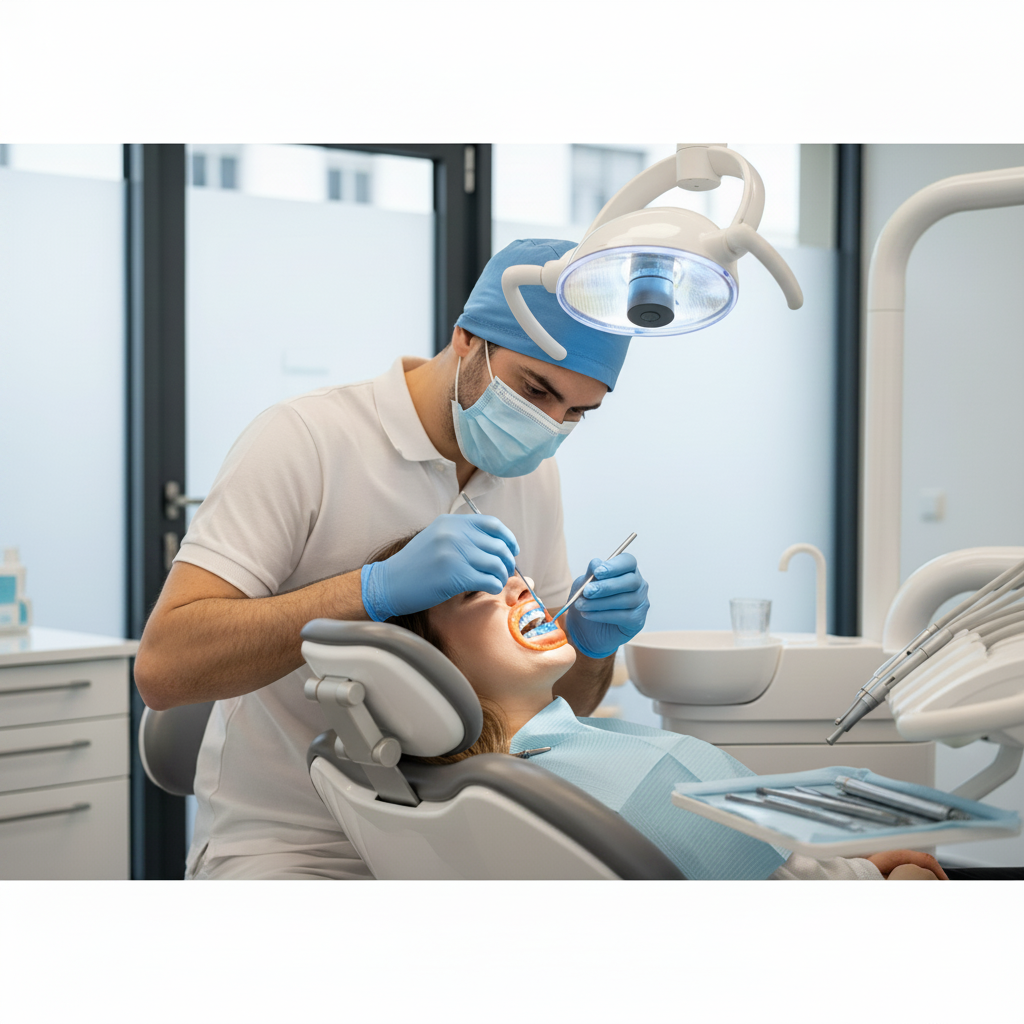
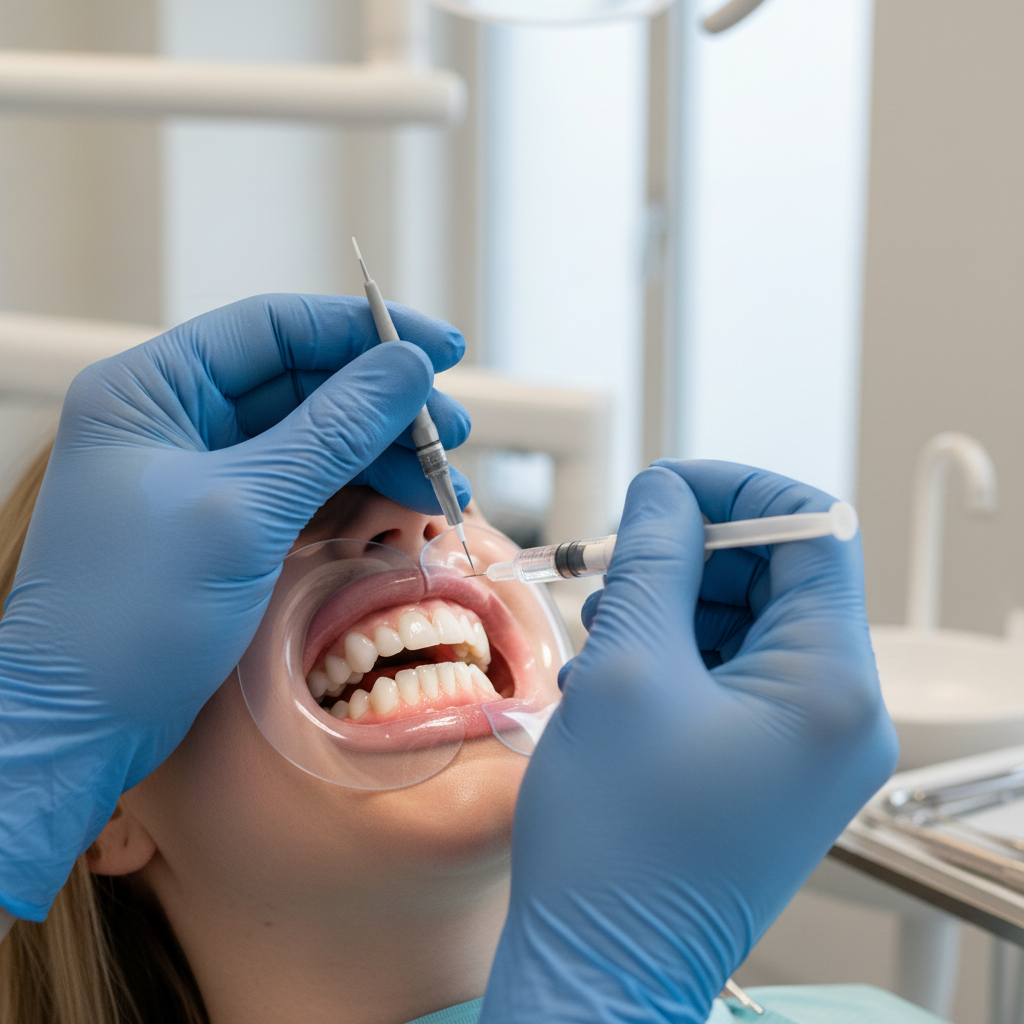
- Gum and Lip Protection: A protective barrier, such as a liquid resin or rubber dam, is carefully applied to cover the gums, lips, and other soft tissues in the mouth. This step is critical to prevent irritation or chemical burns from the high-concentration whitening gel.
3. Application of Whitening Agent
Once the protective barriers are in place, the whitening process can begin:
- Gel Application: The hydrogen peroxide or carbamide peroxide gel is meticulously applied to the front surfaces of the teeth targeted for whitening.
- Light Activation (if applicable): If an activation light (such as LED or laser) is part of the system, it will be positioned to shine on the treated teeth for the specified duration. The light is believed to accelerate the breakdown of peroxide, enhancing the whitening effect.
- Multiple Applications: The gel is typically left on for 15-20 minute intervals, after which it is removed, and a fresh layer is applied. This cycle is repeated 2-3 times during a single session, depending on the desired outcome and the patient’s sensitivity levels.
4. Post-Treatment Care and Instructions
After the final gel removal and protective barrier cleanup, the dentist will provide essential aftercare instructions:
- Sensitivity Management: You might experience temporary tooth sensitivity or gum irritation immediately after the procedure. The dentist may apply a desensitizing gel or recommend a fluoride treatment.
- “White Diet” Recommendation: For the first 24-48 hours, it’s crucial to avoid foods and drinks that can stain teeth, as the enamel pores are more open and susceptible to re-staining. This includes coffee, tea, red wine, dark sodas, berries, and highly pigmented sauces.
- Oral Hygiene Advice: Continue maintaining excellent oral hygiene with regular brushing and flossing.
- Follow-up Appointments: If multiple sessions are needed or if you’re using a take-home kit, the dentist will schedule follow-up appointments.
Benefits of Professional Teeth Whitening
Opting for professional teeth whitening offers several advantages over store-bought alternatives:
- Superior Results: Professional treatments use higher concentrations of whitening agents, leading to significantly whiter teeth in a shorter amount of time.
- Safety: Performed under the supervision of a dentist, professional whitening minimizes risks like gum irritation, enamel damage, or uneven whitening.
- Customization: The treatment is tailored to your specific needs, considering the cause of your stains, your sensitivity levels, and your desired shade.
- Long-Lasting Effects: With proper care, professional whitening results can last for a year or even longer.
- Boosted Confidence: A brighter smile can dramatically improve self-esteem and encourage more frequent, confident smiling.
Potential Side Effects and Management
While generally safe, teeth whitening can cause temporary side effects:
- Tooth Sensitivity: The most common side effect, often experienced as a sharp, fleeting sensation. It typically subsides within 24-48 hours. Dentists can provide desensitizing toothpastes or gels.
- Gum Irritation: If the whitening gel contacts the gums, it can cause temporary irritation, which also usually resolves quickly.
These side effects are generally mild and transient, especially when the procedure is performed by a qualified dental professional. For more information on dental costs in Switzerland, including potential consultation fees, you can refer to resources like how much does a dentist visit cost in Switzerland.
Maintaining Your Brightened Smile
Achieving a whiter smile is just the beginning; maintaining it requires ongoing effort:
- Excellent Oral Hygiene: Brush twice daily and floss once daily to remove plaque and prevent new stain accumulation.
- Smart Dietary Choices: Minimize consumption of staining foods and beverages. If you do indulge, consider rinsing your mouth with water immediately afterward or using a straw for dark drinks.
- Regular Dental Check-ups: Schedule professional cleanings and examinations every six months. Your dentist can also monitor your whitening results and recommend touch-up treatments if necessary.
- Touch-Up Treatments: Depending on your habits, a professional touch-up (either at home with custom trays or a shorter in-office session) every 6-12 months can help maintain your desired shade.
The longevity of your whitening results is directly related to your oral hygiene practices and dietary habits.
Why Choose Professional Whitening in Switzerland?
Switzerland is globally recognized for its high standards in medical and dental care. When considering teeth whitening, choosing a Swiss dental clinic offers several assurances:
- Expertise: Swiss dentists are highly trained and adhere to stringent professional guidelines.
- Advanced Technology: Clinics are equipped with state-of-the-art technology and use high-quality, scientifically proven whitening products.
- Patient-Centric Approach: Swiss dental professionals prioritize patient safety, comfort, and personalized care, ensuring a positive experience and optimal outcomes.
The decision to whiten your teeth should always be made in consultation with a dental professional to ensure it is the right and safest option for you. A deeper understanding of tooth whitening mechanisms can be found on resources like Wikipedia’s article on Tooth Whitening. With the right approach and diligent maintenance, you can enjoy a dazzling, confident smile for years to come.