
Dental Implants Cost in Switzerland (2026) – Full Guide
Investing in your oral health is a decision that impacts not only your smile but also your overall well-being and quality of life. For many seeking a permanent and highly effective solution for missing teeth, dental implants stand out as the gold standard. Switzerland, renowned globally for its precision, quality, and advanced healthcare infrastructure, offers an exceptional environment for dental procedures. However, this premium quality often comes with a higher price tag. Understanding the nuances of dental implants and their associated costs in Switzerland for 2026 requires a comprehensive overview, ensuring patients are well-informed before embarking on their treatment journey.
Understanding Dental Implants and Their Enduring Value
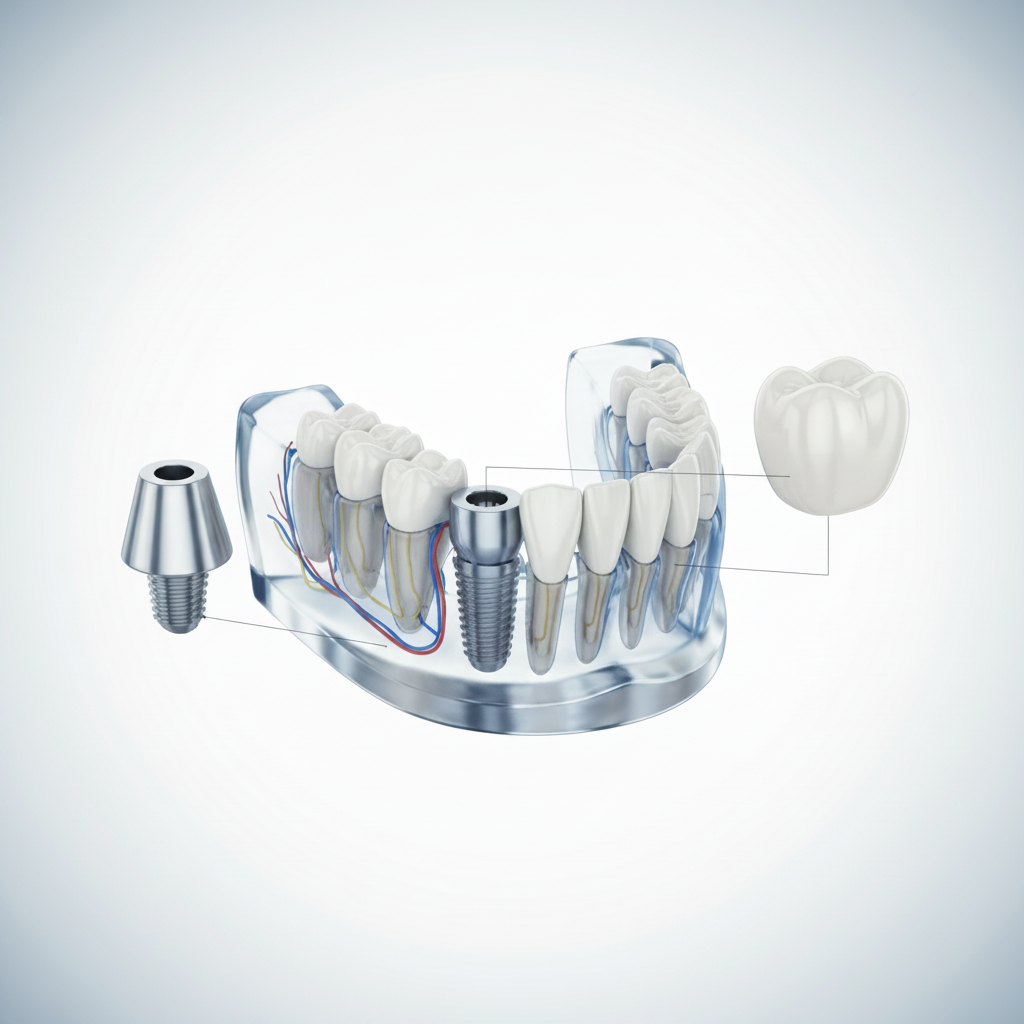
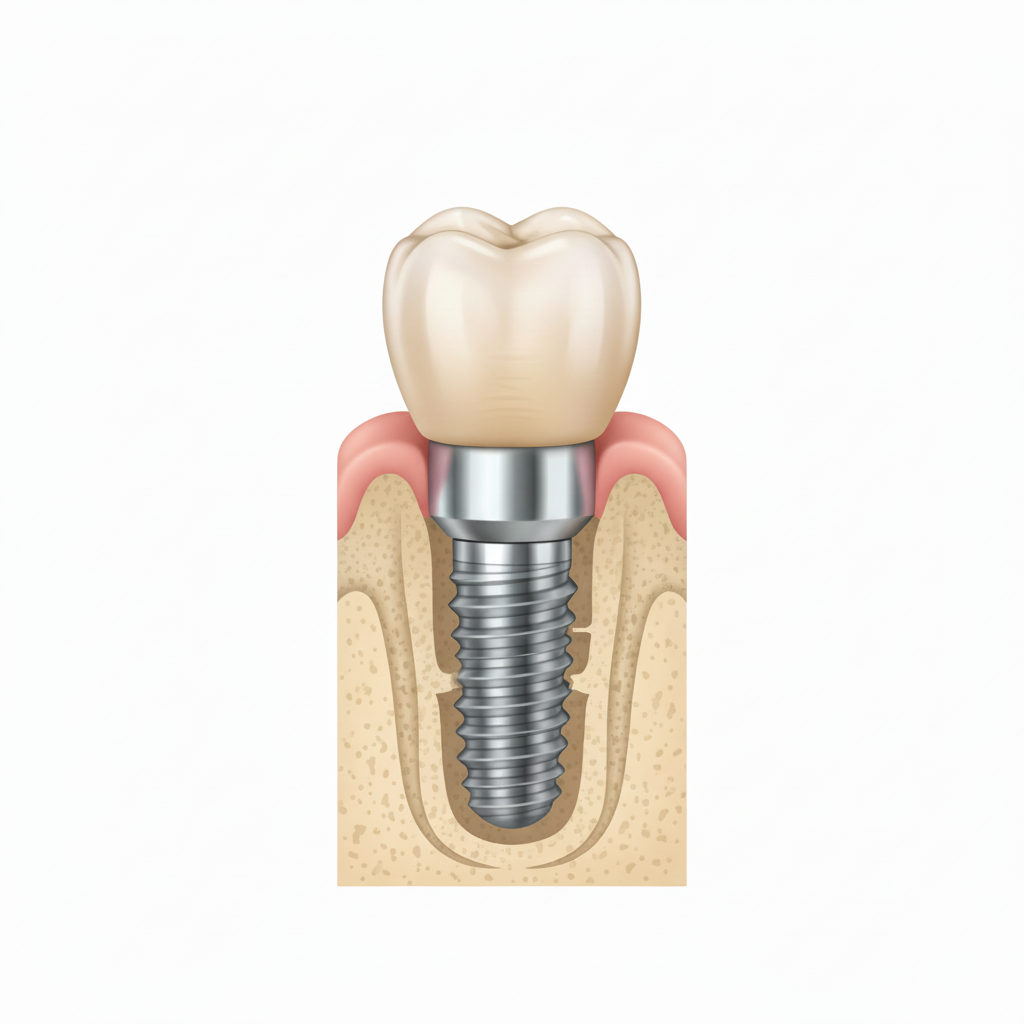
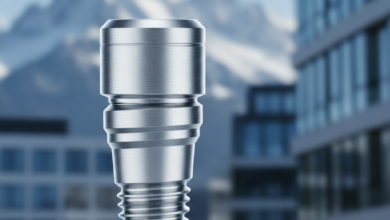
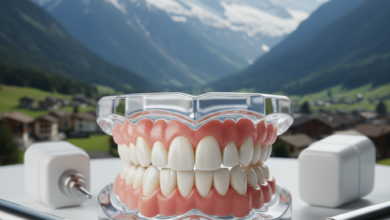
Dental implants are sophisticated prosthetics designed to replace missing tooth roots, providing a strong foundation for artificial teeth that look, feel, and function like natural teeth. Made typically from biocompatible materials like titanium, these small, screw-shaped posts are surgically placed into the jawbone. Over several months, the implant fuses with the bone in a process called osseointegration, creating an incredibly stable anchor. Once integrated, an abutment is attached to the implant, over which a custom-made crown, bridge, or denture is securely fitted. This innovative solution not only restores chewing ability and aesthetics but also helps preserve jawbone health, preventing the bone loss that often occurs after tooth extraction. The long-term success rates of dental implants are remarkably high, often exceeding 95% over a decade, making them a durable and valuable investment in oral health.
Key Factors Influencing Dental Implants Cost in Switzerland
The price of dental implants in Switzerland is a multifaceted figure, influenced by a combination of clinical, material, and operational factors. Due to the country’s high standards of living and commitment to technological advancement in healthcare, these costs tend to be higher than in many other nations. Understanding these contributing elements is crucial for anticipating the total investment.
Pre-operative Diagnostics, Planning, and Components
Before any surgical procedure, a thorough assessment is indispensable. This includes a detailed consultation with a dental specialist, comprehensive oral examinations, and advanced diagnostic imaging such as X-rays, 3D cone-beam computed tomography (CBCT) scans, and digital impressions. These diagnostic tools are vital for evaluating bone density, nerve locations, and planning the precise placement of each implant. The cost of these initial assessments and the sophisticated software used for treatment planning contribute to the overall fee. Furthermore, the implant itself, the abutment (the connector piece), and the final prosthetic (crown, bridge, or denture) are separate components. The choice of implant brand, material quality (e.g., advanced ceramics, titanium alloys), and the complexity of the custom-fabricated prosthetic significantly impact the final price.
Ancillary Surgical Procedures and Anesthesia
Not all patients have sufficient bone volume or ideal gum tissue for immediate implant placement. In such cases, additional surgical procedures, known as ancillary or preparatory procedures, become necessary. Common examples include bone grafting, where bone material (synthetic, animal-derived, or from the patient’s own body) is added to rebuild the jawbone; sinus lifts, which involve raising the sinus floor to create space for bone augmentation in the upper jaw; and tooth extractions. Each of these procedures adds to the overall cost and extends the treatment timeline. The type of anesthesia chosen also affects the price. While local anesthesia is standard, options such as sedation dentistry for anxious patients or general anesthesia for complex cases will incur additional fees.
Clinic Reputation, Location, and Specialist Expertise
The experience and reputation of the dental surgeon play a significant role in pricing. Highly specialized oral surgeons, periodontists, or prosthodontists with extensive experience in implantology often charge more for their expertise. The clinic’s location within Switzerland also influences costs; practices in major cities like Zurich, Geneva, or Bern typically have higher operating expenses, which are reflected in their service fees, compared to those in smaller towns. Additionally, clinics that invest in state-of-the-art technology, such as guided surgery systems, intraoral scanners, and in-house laboratories, may have higher prices due to these advanced capabilities, but often offer superior precision and efficiency.
Detailed Cost Estimates for Dental Implants in Switzerland (2026)
Providing exact figures for dental implant costs is challenging due to the highly individualized nature of each case. However, based on average market rates and accounting for the factors discussed above, here is an estimated breakdown of typical costs for dental implants in Switzerland for 2026. These figures should be considered ranges and can vary significantly between clinics and depending on individual patient needs.
| Service Component | Estimated Cost Range (CHF) | Description |
|---|---|---|
| Initial Consultation & Diagnostics | 200 – 600 | Includes examination, X-rays, possibly 3D scan and treatment planning. |
| Single Dental Implant (Post only) | 1,500 – 3,000 | The titanium screw that replaces the tooth root. Brand and material dependent. |
| Abutment (Connector) | 500 – 1,000 | Connects the implant post to the prosthetic crown. |
| Custom Crown (Prosthetic) | 1,200 – 2,500 | The visible artificial tooth, custom-made from ceramic or zirconia. |
| Bone Grafting (per site) | 800 – 3,000 | Procedure to rebuild jawbone density. Varies by material and volume. |
| Sinus Lift (per side) | 1,500 – 4,000 | Augments bone in the upper jaw for implant placement. |
| Tooth Extraction (if needed) | 150 – 500 | Removal of a problematic tooth prior to implant. |
| Anesthesia/Sedation | 300 – 1,500+ | Depends on type (local, conscious sedation, general) and duration. |
| Post-operative Care | Included in overall package usually, or minor follow-up fees. | Check-ups and basic care after surgery. |
| Estimated Total for One Single Implant | 4,000 – 8,000+ | This range can significantly increase with additional procedures. |
For multiple implants or full-mouth restorations, the total cost will be substantially higher. For instance, an “All-on-4” or “All-on-6” procedure (which involves placing a full arch of teeth on four or six implants) can range from CHF 25,000 to CHF 60,000 or more per arch, depending on complexity and materials.
The Swiss Advantage: Unparalleled Quality and Investment
While the initial outlay for dental implants in Switzerland may seem substantial, it represents an investment in superior quality, advanced technology, and lasting results. The reputation of Swiss healthcare for excellence is well-earned, and dental care is no exception.
Advanced Technology, Rigorous Standards, and Expert Care
Swiss dental clinics are often at the forefront of dental innovation, utilizing the latest diagnostic tools, surgical techniques, and high-quality materials from reputable manufacturers. The stringent regulatory environment ensures that all procedures adhere to the highest international standards of safety and efficacy. Dental professionals undergo extensive training and continuous education, often specializing in fields like implantology, periodontology, and oral surgery, guaranteeing a high level of expertise. This commitment to advanced methodologies and meticulous patient care translates into predictable outcomes and long-term success for dental implant recipients. For further information on the general concepts of dental implants, a resource like Wikipedia’s page on dental implants can provide valuable background.
Navigating Insurance and Financing
In Switzerland, basic health insurance (Krankenkasse) typically does not cover elective dental treatments, including dental implants, except in very specific cases of severe illness or accident. However, supplementary dental insurance policies are available and can cover a percentage of dental implant costs. Patients are advised to thoroughly review their insurance plans and contact their provider to understand coverage limitations. Many Swiss dental clinics also offer flexible payment plans or work with third-party financing options to make the treatment more accessible. Exploring these financial solutions can help manage the upfront costs and spread the investment over time.
The Dental Implant Journey: Process and Longevity
The process of receiving dental implants is a journey that typically spans several months, designed to ensure optimal healing and integration for lasting results.
Step-by-Step Procedure Overview and Maintenance
The journey begins with an in-depth consultation and diagnostic phase, followed by the precise surgical placement of the implant(s) into the jawbone. A critical period of osseointegration follows, during which the implant fuses with the bone – usually 3 to 6 months. Once fully integrated, the abutment is attached, and the custom crown, bridge, or denture is fabricated and secured. Throughout this process, meticulous attention is paid to sterile conditions and patient comfort. For those considering alternatives to dental implants, such as bridges, it’s beneficial to understand the differences in longevity and benefits; more information on this can be found at Zahnimplantat oder Brücke: Was ist besser in der Schweiz?.
Maintaining dental implants is straightforward, similar to caring for natural teeth. Regular brushing, flossing, and routine dental check-ups are essential to prevent peri-implantitis (gum disease affecting implants) and ensure their longevity. With proper care, dental implants can last for decades, often a lifetime, proving their value as a durable solution for tooth replacement.


One Comment