Dental Bridge Cost Switzerland Explained
Please note: These figures are approximate and can vary significantly based on material, complexity, clinic, and location within Switzerland. A “unit” refers to a crown or pontic. A three-unit bridge (replacing one tooth) would typically consist of two crowns and one pontic.
Dental Bridge Cost Switzerland Explained: Navigating the Investment in Your Smile
A radiant smile is a powerful asset, reflecting confidence and well-being. When tooth loss occurs, whether due to decay, injury, or gum disease, it can impact not only aesthetics but also chewing function, speech, and overall oral health. Dental bridges offer a time-tested and effective solution for replacing one or more missing teeth, restoring both the beauty and functionality of your smile. Switzerland, renowned for its exceptional quality of life and high standards in medical care, provides access to advanced dental treatments, including sophisticated dental bridges. However, understanding the associated costs is a crucial step for anyone considering this restorative option. This comprehensive guide delves into the various components that contribute to the price of a dental bridge in Switzerland, helping you make an informed decision.
Understanding Dental Bridges: A Solution for Missing Teeth
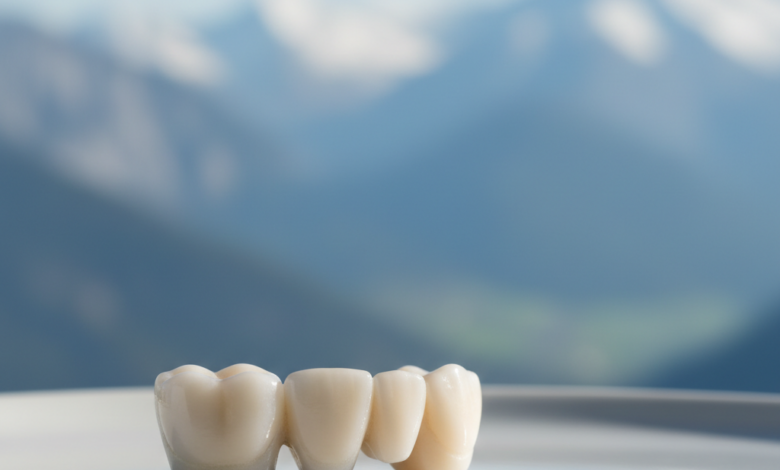
A dental bridge is a fixed prosthetic device designed to “bridge” the gap created by one or more missing teeth. It typically consists of one or more artificial teeth, known as pontics, which are held in place by dental crowns cemented onto the natural teeth or implants adjacent to the gap. These adjacent teeth are called abutment teeth. Unlike removable dentures, bridges are permanent fixtures that are cleaned just like natural teeth, offering superior stability and comfort.
The primary goal of a dental bridge is to:
- Restore your smile.
- Improve your ability to chew and speak properly.
- Maintain the shape of your face.
- Prevent remaining teeth from drifting out of position, which can lead to bite problems and further dental issues.
- Distribute the forces in your bite properly by replacing missing teeth.
Modern dental bridges are meticulously crafted to blend seamlessly with your natural teeth, using materials that mimic the appearance and strength of tooth enamel. The choice of material is a significant factor in both the aesthetics and durability of the bridge, as well as its cost.
Factors Influencing Dental Bridge Cost Switzerland
The investment in a dental bridge in Switzerland can vary significantly based on several key factors. It’s not a single fixed price, but rather a spectrum influenced by clinical decisions, material choices, and the complexity of the individual case. Understanding these variables is essential for an accurate estimation of the Dental Bridge Cost Switzerland.
Materials Used in Dental Bridges
The type of material chosen for your bridge plays a critical role in its durability, appearance, and price. Common options include:
- Porcelain Fused to Metal (PFM): These bridges offer a good balance of strength and aesthetics. A metal alloy substructure provides strength, while a porcelain layer covers it for a natural look. PFM bridges are a popular choice due to their reliability.
- All-Ceramic (Zirconia or Emax): All-ceramic bridges, particularly those made from zirconia or Emax, are highly prized for their superior aesthetics. They offer excellent translucency and can be matched precisely to your natural tooth color, making them ideal for visible areas. Zirconia is exceptionally strong and biocompatible, while Emax is known for its beauty. These options are generally more expensive due to the material cost and the specialized fabrication process.
- Metal Alloys (Gold or Other Alloys): While less common for visible areas due to their appearance, metal bridges offer superior strength and are highly resistant to wear. They are often used for molars where chewing forces are greatest.
Number of Missing Teeth and Bridge Span
The length of the bridge directly correlates with its cost. A bridge replacing a single missing tooth will naturally be less expensive than one replacing two or three adjacent teeth. Each additional pontic (artificial tooth) and abutment crown adds to the material and labor costs. A longer span also requires greater structural integrity, sometimes necessitating stronger and thus more expensive materials.
Geographic Location and Clinic Reputation
Switzerland’s cantons (regions) can have varying price structures for dental services. Major cities like Zurich, Geneva, and Bern may have higher overhead costs, which can translate to slightly higher prices compared to smaller towns. Furthermore, the reputation and specialization of the dental clinic and the experience of the dentist can influence the fees. Clinics with state-of-the-art technology, in-house labs, and highly specialized practitioners might have higher rates, reflecting the advanced care and precision offered.
Additional Treatments and Diagnostics
Before a bridge can be placed, foundational oral health must be established. This may involve:
- Comprehensive Examinations and X-rays: Essential for diagnosis and treatment planning.
- Gum Disease Treatment: If periodontitis is present, it must be treated to ensure a healthy foundation for the bridge.
- Root Canal Therapy: If an abutment tooth has a compromised nerve, a root canal may be necessary before crowning.
- Tooth Extractions: If damaged teeth need removal before bridge placement.
- Bone Grafting: In rare cases where significant bone loss has occurred and implants are considered, bone grafting might be needed (though less common directly for traditional bridges).
These preliminary treatments add to the overall expense but are crucial for the long-term success and stability of your dental bridge.
Table: Estimated Dental Bridge Cost Ranges in Switzerland (Per Unit)
| Bridge Type/Material | Cost per Unit (CHF) | Typical 3-Unit Bridge Cost (CHF) |
|---|---|---|
| Porcelain Fused to Metal (PFM) | CHF 1,000 – 1,800 | CHF 3,000 – 5,400 |
| All-Ceramic (Zirconia/Emax) | CHF 1,500 – 2,500 | CHF 4,500 – 7,500 |
| Metal Alloy (e.g., Gold) | CHF 1,200 – 2,000 | CHF 3,600 – 6,000 |
Types of Dental Bridges and Their Cost Implications
Traditional Bridges
These are the most common type, consisting of a pontic (or pontics) held in place by crowns cemented onto the abutment teeth. They are very strong and reliable. The cost is determined by the number of units and material.
Cantilever Bridges
Used when there are only abutment teeth on one side of the missing tooth gap. While they can be an option in specific situations, they are not ideal for areas with strong chewing forces and may be prone to complications. Their cost might be slightly less due to fewer abutment crowns but requires careful assessment.
Maryland Bonded Bridges (Resin-Bonded Bridges)
These bridges use a metal or porcelain framework that is bonded to the back of the adjacent teeth with resin. They require minimal preparation of the abutment teeth, making them a more conservative and often less expensive option. However, they are generally not as strong as traditional bridges and are best suited for front teeth where biting forces are lighter.
The Dental Bridge Procedure: What to Expect
The placement of a dental bridge typically involves two or more appointments.
- First Appointment: The abutment teeth are prepared. This involves reshaping them by removing a small amount of enamel to make space for the crowns. Impressions of your teeth are then taken and sent to a dental lab, which will custom-fabricate your bridge. A temporary bridge is usually placed to protect the prepared teeth and maintain aesthetics.
- Second Appointment: Once the permanent bridge arrives from the lab, your dentist will remove the temporary bridge. The new bridge is carefully checked for fit, bite, and aesthetics. Any necessary adjustments are made, and then the bridge is permanently cemented into place.
The process ensures a precise fit and natural appearance. For those considering the specifics of restorative work, understanding the components like individual crowns can be helpful; for more on this, you might explore topics such as dental crown cost Switzerland complete breakdown.
Navigating Your Options: Beyond the Cost
Insurance Coverage and Financing in Switzerland
Dental insurance in Switzerland typically varies. Basic health insurance plans generally do not cover routine dental treatments or major restorative work like bridges, unless it’s due to a serious illness or accident. Supplemental dental insurance plans are available and can significantly reduce your out-of-pocket expenses. It’s advisable to check your policy details or consult with your insurance provider directly. Many dental clinics also offer flexible payment plans or financing options to help manage the investment.
Choosing the Right Clinic and Dentist
Selecting a qualified and experienced dental professional is paramount. In Switzerland, dentists undergo rigorous training and adhere to high professional standards. Look for a dentist with specific experience in prosthodontics (the dental specialty focused on tooth replacement). Don’t hesitate to ask about their experience, view before-and-after photos, and understand the materials they use. A good clinic will provide a transparent treatment plan and a detailed cost estimate. You can also consult resources like the Swiss Dental Association (SSO) for accredited professionals.
Longevity and Maintenance of Dental Bridges
With proper oral hygiene and regular dental check-ups, a well-maintained dental bridge can last 10 to 15 years, or even longer. Key maintenance practices include:
- Brushing twice a day with fluoride toothpaste.
- Flossing daily, using a floss threader or interdental brush to clean under the pontic.
- Regular professional cleanings and examinations.
- Avoiding chewing on hard foods, ice, or other non-food items that could damage the bridge.
These habits are critical not only for the bridge’s lifespan but also for the health of the supporting natural teeth and gums.
The long-term success of a dental bridge is heavily influenced by the health of the abutment teeth. A bridge is a single unit, so if one of the supporting teeth fails, the entire bridge may need to be replaced. This emphasizes the importance of meticulous oral hygiene and choosing a durable material.
Benefits of Dental Bridges
The advantages of opting for a dental bridge extend beyond simply filling a gap. They offer:
- Improved Aesthetics: Bridges are custom-made to match your natural teeth, enhancing your smile and facial harmony.
- Restored Function: You can chew and speak with confidence and comfort, enjoying a wider variety of foods.
- Enhanced Oral Health: They prevent adjacent teeth from shifting, preserving your bite and preventing potential jaw problems. They also protect the gums from exposure and potential issues caused by food impaction in gaps.
- Durability: With good care, dental bridges are a long-lasting restorative solution.
For many individuals, the benefits significantly outweigh the initial investment, providing a substantial improvement in quality of life. The science behind dental prosthetics and their success rates is well-documented, with studies often highlighting their effectiveness in restoring oral function and aesthetics. For further scientific insights into dental prostheses, a resource like Wikipedia’s entry on Dental Bridges can provide valuable information.
In conclusion, investing in a dental bridge in Switzerland is a decision that combines high-quality dental care with significant long-term benefits for your oral health and confidence. By understanding the factors influencing the cost, exploring different types of bridges, and choosing a reputable dental professional, you can navigate this process effectively. A thorough consultation with your dentist will provide the most accurate assessment and personalized treatment plan, ensuring that your investment in a dental bridge in Switzerland brings you a healthy, beautiful, and functional smile for years to come.”
It’s important to obtain a detailed, personalized quote from your chosen dental professional after a thorough examination.