Root Canal Cost Switzerland – What to Expect
Root Canal Cost Switzerland – What to Expect
When facing the prospect of a root canal, often referred to as endodontic treatment, one of the primary concerns for patients in Switzerland is understanding the associated costs. Switzerland is renowned globally for its exceptional quality of life, stunning landscapes, and, notably, its high standards in healthcare. This commitment to excellence extends to dental care, which, while assuring top-tier treatment, also implies a certain price point. A root canal is a critical dental procedure designed to save a tooth that has become severely infected or damaged, preventing its extraction and preserving the natural dentition. Understanding the factors that influence the cost, what the procedure entails, and what to expect post-treatment is crucial for anyone considering this vital intervention in Switzerland.
What is a Root Canal and Why is it Necessary?
A root canal is a sophisticated dental procedure performed to remove infected or inflamed pulp from the inside of a tooth. The pulp is a soft tissue located inside the tooth’s root canal system, containing nerves, blood vessels, and connective tissue. When this pulp becomes inflamed or infected due to deep decay, repeated dental procedures on the tooth, a crack or chip in the tooth, or trauma to the face, it can lead to severe pain, abscess formation, and if left untreated, tooth loss.
The goal of a root canal is to eliminate the infection, clean the root canal system, and then fill and seal the space to prevent future bacterial invasion. This process effectively saves the natural tooth, maintaining oral function and aesthetics. Opting for a root canal instead of extraction is often the preferred choice because it preserves the natural tooth structure, preventing issues like shifting teeth, difficulty chewing, and the need for more complex and expensive replacements like dental implants or bridges in the future. The procedure is typically performed under local anesthesia, ensuring a comfortable experience for the patient.
Root Canal Cost Switzerland – Unpacking the Price Factors
The cost of a root canal in Switzerland can vary significantly based on several key factors. It’s not a one-size-fits-all fee, and getting a precise quote requires a thorough examination by a dental professional. However, understanding the variables involved can help patients anticipate the potential investment.
Complexity of the Treatment
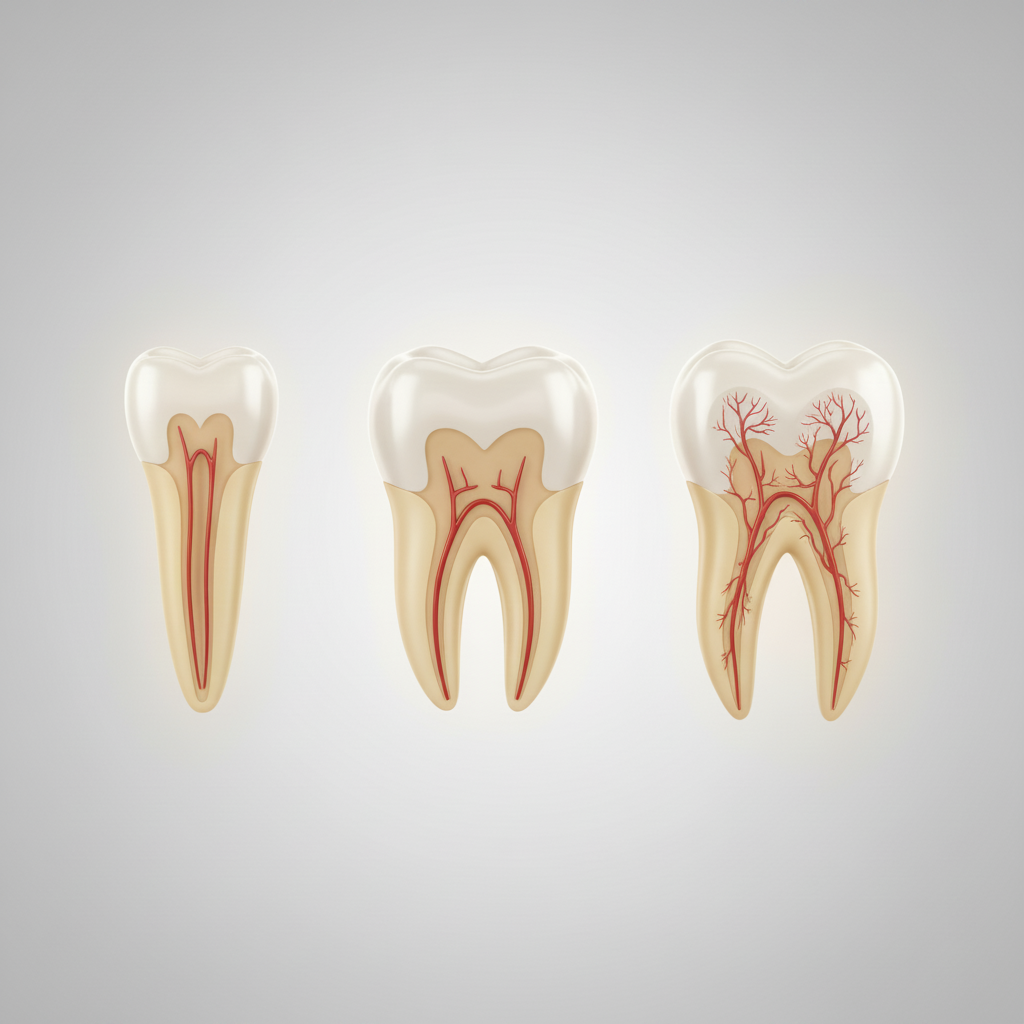
The primary determinant of cost is the complexity of the tooth being treated. Teeth have different numbers of root canals:
- Incisors and Canines (Front Teeth): Typically have a single root canal, making them the least complex and generally the least expensive to treat.
- Premolars (Bicuspids): Usually have one or two root canals.
- Molars (Back Teeth): Can have three or four root canals, making them the most intricate to treat. The procedure on molars takes longer, requires more specialized skill, and thus incurs higher costs.
- Re-treatment: If a tooth has previously undergone a root canal that failed or became re-infected, a re-treatment is often more complex and costly than the initial procedure. This is because the dentist must remove existing filling materials and navigate potentially calcified or altered canal anatomy.
Location and Clinic Prestige
Just like real estate, dental service costs can fluctuate based on geography within Switzerland. Major cities like Zurich, Geneva, and Basel typically have higher overheads for clinics, which can translate into higher treatment costs. Smaller towns or rural areas might offer slightly more economical options, though the difference might not be as substantial as in other countries, given the generally high standard of living and wages across Switzerland. The reputation and experience of the dentist and the technological sophistication of the clinic also play a role. Highly specialized endodontists with advanced equipment might charge more, reflecting their expertise and the superior outcomes they deliver.
Materials and Technology Used
Swiss dental practices often utilize state-of-the-art technology and high-quality materials. This can include:
- Advanced Imaging: Digital X-rays, 3D cone-beam computed tomography (CBCT) scans for precise diagnosis and treatment planning.
- Microscopes: Operating microscopes are frequently used in endodontics to enhance visibility, allowing for more precise and thorough cleaning of the intricate root canal system.
- Nickel-Titanium Files: Flexible and highly effective instruments for shaping the canals.
- Bioceramic Sealers: Modern filling materials that offer excellent sealing properties and biocompatibility.
The use of such advanced tools and materials contributes to the overall success rate and longevity of the treatment but also influences the cost.
Additional Procedures and Diagnostics
A root canal often requires additional procedures that add to the total cost:
- Initial Consultation and X-rays: Essential for diagnosis.
- Local Anesthesia: Included in the procedure but often a separate line item.
- Post and Core: If significant tooth structure is lost, a post might be placed in the root canal for support, and a core built up to prepare the tooth for a crown.
- Dental Crown: After a root canal, especially on back teeth or teeth with extensive damage, a dental crown is often recommended to protect the weakened tooth from fracture and restore its full function. The cost of the crown is a significant separate expense.
Here’s a general overview of potential cost ranges for a root canal in Switzerland, excluding the cost of a final crown:
| Procedure Type | Estimated Cost Range (CHF) | Notes |
|---|---|---|
| Front Tooth (Incisor/Canine) Root Canal | CHF 800 – CHF 1,500 | Single root, generally less complex. |
| Premolar Root Canal | CHF 1,000 – CHF 1,800 | One or two roots, moderate complexity. |
| Molar Root Canal | CHF 1,500 – CHF 2,500+ | Multiple roots (3-4), most complex, requires more time and skill. |
| Root Canal Re-treatment | CHF 1,500 – CHF 3,000+ | More intricate due to existing materials and altered anatomy. |
| Associated Costs (X-rays, Anesthesia) | CHF 100 – CHF 300 | May be itemized separately or partially included. |
| Post and Core Build-up (if needed) | CHF 300 – CHF 700 | Required for structural support before a crown. |
*These figures are estimates and can vary widely based on clinic, location, and specific case complexity. They do not include the cost of a permanent dental crown, which typically follows a root canal.
The Root Canal Procedure: A Detailed Look
Understanding the steps involved can help demystify the process and highlight the precision required, contributing to the perceived value of the treatment.
Diagnosis and Preparation
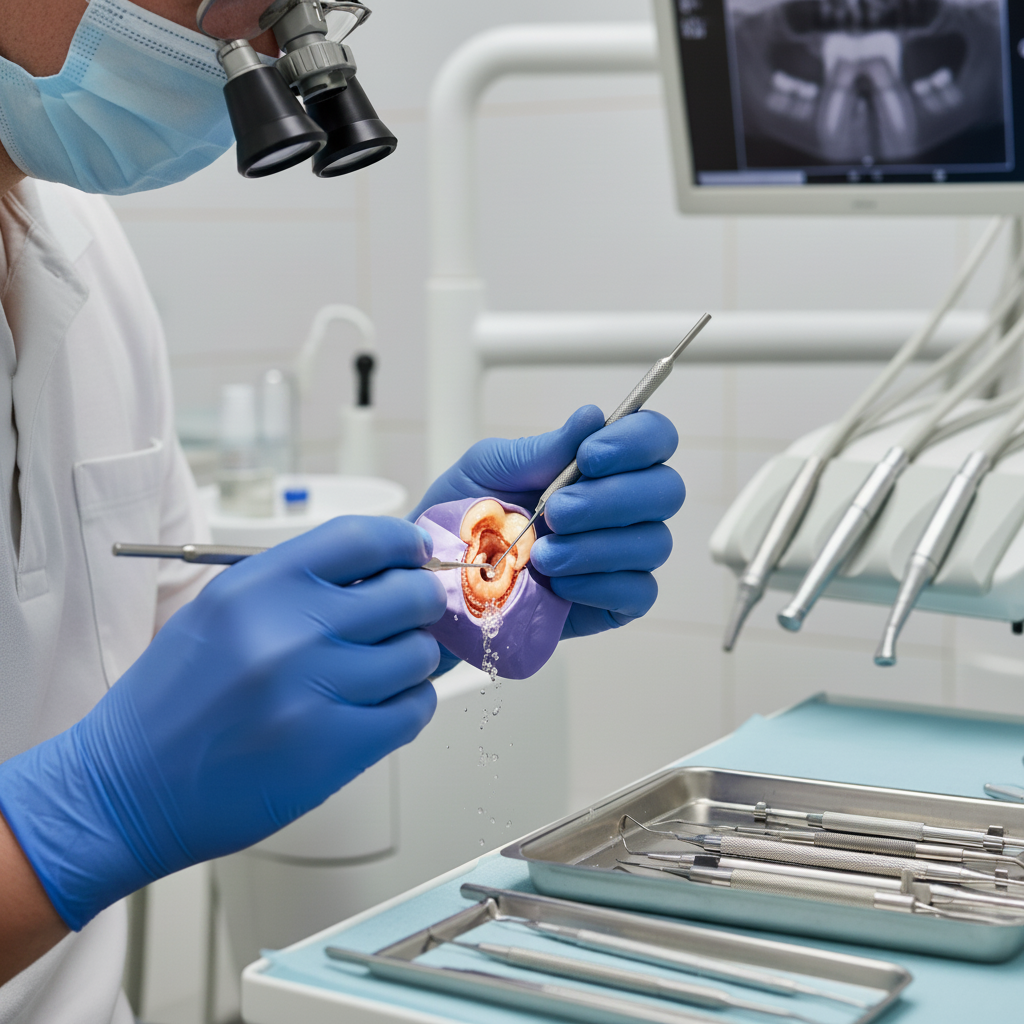
The process begins with a thorough examination, including digital X-rays, to assess the extent of the infection and the anatomy of the root canals. If a root canal is deemed necessary, the area around the affected tooth is numbed with local anesthesia. A rubber dam is then placed around the tooth to isolate it, keeping it clean and free from saliva during the procedure.
Cleaning and Shaping
An access opening is created on the top of the tooth. Tiny instruments are used to carefully remove the infected or inflamed pulp, bacteria, and debris from the pulp chamber and root canals. The canals are then meticulously cleaned, disinfected, and shaped to prepare them for filling. This step is critical for eliminating all sources of infection and ensuring the long-term success of the treatment.
Filling and Sealing
Once the canals are thoroughly cleaned and shaped, they are filled with a biocompatible material, typically a rubber-like compound called gutta-percha, in combination with an adhesive cement. This material seals the canals to prevent re-infection. A temporary filling is then placed in the access opening to protect the tooth until the final restoration.
Final Restoration
In most cases, a final restoration, often a dental crown, is essential to protect the treated tooth from fracture and restore its full function and appearance. The tooth, though “dead” in terms of nerve supply, still requires structural integrity, especially molars that bear heavy chewing forces. The crown is usually placed during a subsequent visit after the root canal treatment is complete and the tooth has had time to heal.
Navigating Payment and Insurance in Switzerland
Dental insurance coverage in Switzerland can be complex. Basic health insurance (KVG/LAMal) typically does not cover routine dental care or root canals unless they are the result of a severe illness or accident. Patients often need supplementary dental insurance to cover a portion of these costs. It’s advisable for patients to check their individual insurance policies carefully before starting treatment. Many clinics offer various payment plans or options to help manage the financial aspect, and discussing these with the dental practice upfront is always recommended. Transparency in pricing is a hallmark of reputable Swiss dental clinics.
Prioritizing Your Oral Health: The Value of a Root Canal
While the “Root Canal Cost Switzerland” might seem substantial at first glance, it’s an investment in long-term oral health and overall well-being. Delaying necessary root canal treatment can lead to more severe problems, including:
- Spread of infection to other parts of the body.
- Loss of the tooth, requiring more extensive and costly replacement solutions.
- Chronic pain and discomfort.
The quality of dental care in Switzerland ensures that the procedure is performed with the highest precision, using advanced techniques and materials, leading to excellent long-term prognoses. Saving a natural tooth offers benefits beyond just aesthetics; it maintains the integrity of your bite, preserves bone structure, and prevents future dental complications. For more in-depth information about root canal treatments and their efficacy, reputable scientific sources such as Wikipedia on Root Canal Treatment provide comprehensive details. Consulting with a qualified Swiss dentist will provide a personalized assessment and a detailed treatment plan, allowing you to make an informed decision for your dental health.