Why Dental Treatment Is Not Covered in Switzerland

Why Dental Treatment Is Not Covered in Switzerland is a question that perplexes many, particularly expatriates and newcomers to the country. Renowned globally for its high standard of living, efficient public services, and excellent healthcare system, Switzerland often surprises individuals with its approach to dental care. Unlike many other nations where dental services are partially or fully integrated into the basic health insurance schemes, in Switzerland, the general rule is that dental treatment falls outside the scope of mandatory health coverage. This fundamental difference can lead to significant financial implications for residents if they are not adequately prepared or informed.

The Swiss healthcare system is structured around mandatory basic health insurance, known as KVG/LAMal, which covers medical treatments for illness, accident, and maternity. This system is designed to provide comprehensive care for essential health needs. However, dental care, with very few specific exceptions, is not considered part of these essential health needs under the basic insurance. This distinction has historical roots and is also influenced by the perception of dental health, its high costs, and the emphasis on personal responsibility for preventive care.
The Swiss Healthcare System: An Overview
Switzerland operates a universal healthcare system that is decentralized, meaning responsibility for healthcare provision is shared between the Confederation, cantons, and municipalities. Health insurance is compulsory for all residents, and individuals choose their own basic insurance provider from a range of private insurers. This basic insurance covers a wide array of medical services, including doctor visits, hospital stays, prescription medications, and emergency treatments. The premiums for this basic insurance are paid by the individual, not tied to income, and vary significantly between cantons and insurers.
The core principle of the KVG/LAMal is to ensure access to necessary medical care for all. However, “necessary” is a key term here. Historically, dental treatments were not deemed “medically necessary” in the same vein as treating a broken leg or a heart condition, largely due to the belief that most dental issues could be prevented through good oral hygiene. Furthermore, the high cost associated with advanced dental procedures, from routine fillings to complex orthodontics and implants, played a significant role in their exclusion from the basic package.
This structure places the onus on individuals to either cover their dental costs out-of-pocket or to opt for supplementary dental insurance. Understanding this distinction is crucial for anyone living or planning to live in Switzerland, as unexpected dental bills can quickly escalate into substantial expenses.
Why Dental Treatment Is Not Covered in Switzerland: Deeper Dive into Exclusions
The exclusion of most dental treatments from basic Swiss health insurance stems from several interconnected factors. One primary reason is the sheer cost of dental care. Switzerland has some of the highest healthcare costs in the world, and dental services are no exception. Integrating all dental treatments into the basic insurance would significantly inflate premiums for everyone, potentially making the mandatory insurance system unsustainable or prohibitively expensive for a large segment of the population. The government and insurance companies have historically opted to keep basic premiums manageable by limiting the scope of coverage to core medical necessities.
Another contributing factor is the perception of dental health. There’s a prevailing view that many dental problems, such as cavities and gum disease, are preventable through diligent oral hygiene and regular check-ups. This leads to the assumption that individuals should take personal responsibility for their dental health and, consequently, bear the financial burden of routine and elective treatments. While this perspective holds some truth, it overlooks genetic predispositions, accidents, and more complex dental issues that may arise regardless of excellent hygiene.
The history of the Swiss healthcare system also plays a role. When the KVG/LAMal was established, dental care was already largely handled privately, and integrating it would have represented a massive shift in policy and financing. Over the decades, efforts to include dental care in basic insurance have faced strong opposition due to the projected costs and complexity. While there are ongoing debates about expanding coverage, particularly for children, comprehensive dental inclusion for adults remains a distant prospect.
Consequently, most common dental procedures, including fillings, extractions (unless medically complex and linked to a severe illness), root canal treatments, crowns, bridges, dentures, and especially dental implants, are not covered. Even preventive measures like professional cleanings are typically excluded. This comprehensive exclusion underscores the importance of understanding supplementary insurance options or budgeting for these expenses.
Supplementary Dental Insurance: The Common Solution
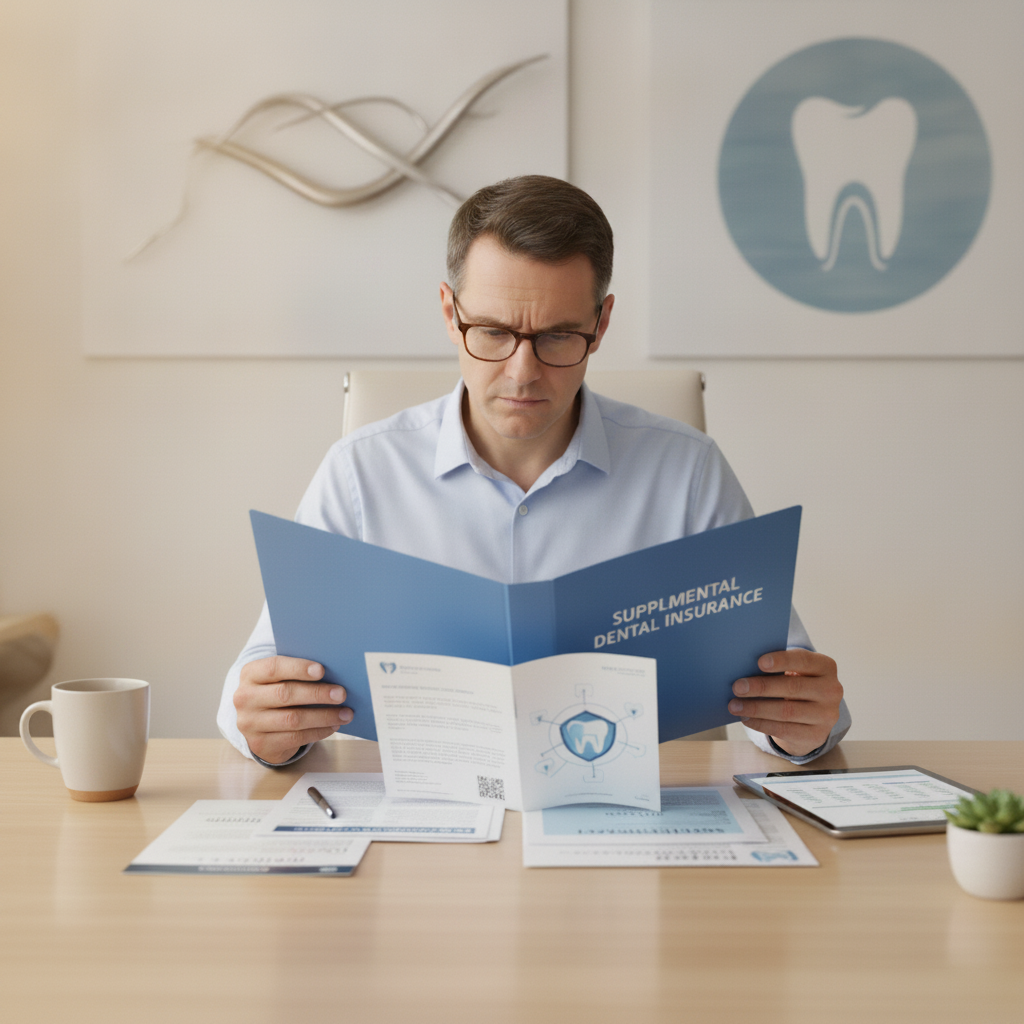
Given the limited coverage by basic insurance, most residents in Switzerland who wish to have their dental costs subsidized opt for supplementary dental insurance. These private policies are offered by various health insurers and are entirely voluntary. They are designed to cover a percentage of dental treatment costs, often ranging from 50% to 90%, up to a certain annual limit. The scope of coverage varies significantly between policies and providers.
- Routine check-ups and professional cleanings
- Fillings and root canal treatments
- Tooth extractions
- Crowns, bridges, and dentures
- Orthodontic treatments, especially for children and adolescents
- Dental implants
- Periodontal treatments
However, it is crucial to note that supplementary insurance plans often come with specific conditions. These can include waiting periods before certain treatments are covered (e.g., 6-12 months for orthodontics or implants), deductibles, and co-payments. Many insurers also require a dental examination before accepting a new policyholder to assess existing conditions and may exclude treatments for pre-existing issues. Therefore, individuals are advised to research and compare different policies carefully, paying close attention to terms, conditions, and coverage limits, especially if anticipating significant dental work.
The High Cost of Dental Care in Switzerland
Beyond the insurance conundrum, the high cost of dental care itself is a significant factor in Switzerland. This high cost is attributable to several elements: the generally elevated cost of living and wages in Switzerland, the high standards of dental education and training, the use of advanced technology and materials, and stringent regulatory requirements. A routine check-up and cleaning can cost anywhere from CHF 100 to CHF 200, while a single filling might range from CHF 200 to CHF 500. More complex procedures like root canals or crowns can easily run into several thousand Swiss Francs.
For extensive treatments such as dental implants or orthodontics, the costs can escalate dramatically, often reaching tens of thousands of Swiss Francs. This financial burden is a major driver behind individuals exploring alternatives, including dental tourism. For more detailed information on what basic Swiss insurance covers, you can refer to resources discussing what does KVG LAMal cover for dental care.
Impact on Residents and Dental Tourism
The combination of high costs and limited basic insurance coverage has a tangible impact on residents. Many postpone necessary dental work due to financial concerns, which can lead to more severe and costly problems down the line. This can also create inequalities in access to dental health, where those who cannot afford supplementary insurance or out-of-pocket payments may experience poorer oral health outcomes.
As a direct consequence, dental tourism has become a popular alternative for many Swiss residents. They seek high-quality dental care in neighboring countries or further afield, where costs are significantly lower without necessarily compromising on standards. Countries like Turkey, Hungary, and Germany are common destinations for Swiss residents looking for more affordable dental treatments, ranging from simple fillings to full-mouth restorations and implants. This trend highlights the financial pressures placed on individuals seeking dental care within Switzerland’s current system.
Navigating Dental Care in Switzerland: Tips for Residents
For those living in Switzerland, proactive planning is essential to manage dental health and costs. Here are some key tips:
- Prioritize Prevention: Regular and thorough oral hygiene at home, combined with routine dental check-ups and professional cleanings, is the most effective way to prevent costly dental problems.
- Consider Supplementary Insurance: If you anticipate needing dental work, or simply want peace of mind, investing in a supplementary dental insurance plan is advisable. Be sure to compare policies from different providers and understand their terms, waiting periods, and coverage limits.
- Get Multiple Quotes: Before committing to significant dental work, obtain detailed cost estimates (often called a “Kostenvoranschlag” or “Devis”) from several dentists. Prices can vary, and this allows for comparison.
- Understand Exceptions: Familiarize yourself with the rare instances where basic insurance might cover dental care, such as severe illness, accidents, or congenital conditions. Your health insurer can provide specific details.
- Explore Cross-Border Options: For major procedures, investigating dental tourism could be a viable option to reduce costs, provided you carefully research clinics and understand the logistics involved.
Understanding Exceptions: When Basic Insurance Steps In
While the general rule is no coverage, there are specific, limited exceptions where the basic mandatory health insurance (KVG/LAMal) or accident insurance (UVG/LAA) might cover dental treatment. These are not for routine care but for for situations where dental issues are a direct consequence of other medical conditions or external events:
- Severe Systemic Illnesses: If a severe illness directly affects the masticatory system (jaw, teeth, gums) and requires dental intervention as part of the overall medical treatment, basic insurance might cover it. Examples could include certain autoimmune diseases or specific cancers.
- Accidents: Dental damage resulting from an accident is typically covered by accident insurance. If you are employed, your employer’s accident insurance (UVG/LAA) covers this. For non-employed individuals, accident coverage is integrated into basic health insurance. The key is that the damage must be directly caused by a sudden, external, unintended event.
- Congenital Anomalies: Certain severe congenital malformations of the jaw or teeth, which significantly impair function, may also be covered by basic health insurance.
- Consequences of Covered Medical Treatment: In rare cases, if dental issues arise as a direct and unavoidable consequence of a medical treatment covered by basic insurance (e.g., radiation therapy affecting oral health), then the related dental care might also be included.
These exceptions are strictly defined and require clear medical justification. It is always necessary to consult with your dentist and health insurer to determine eligibility in such cases. For instance, according to the Federal Office of Public Health (FOPH), dental treatments are only covered by basic health insurance if they are caused by a severe, unavoidable general illness or accident, or if they are related to congenital malformations. This strict interpretation means that typical dental concerns fall outside the basic safety net.
In Switzerland, the landscape of dental coverage is distinct, placing a significant emphasis on individual responsibility and supplementary insurance for the majority of dental health needs. While the basic healthcare system is robust for general medical conditions, residents must proactively plan and budget for their dental care. Understanding these intricacies is the first step toward navigating the Swiss dental system effectively, ensuring both oral health and financial well-being. The choice to invest in supplementary insurance or explore options like dental tourism ultimately rests with the individual, guided by their needs and financial situation. For more information, please consult official Swiss health authorities such as the Federal Office of Public Health (FOPH).