How Much Does a Dentist Visit Cost in Switzerland?
Switzerland is renowned globally for its high quality of life, stunning landscapes, and impeccable services, but these come with a significant price tag, especially concerning healthcare. Dental care is no exception, with the cost of a dentist visit in Switzerland often leaving both residents and expatriates surprised. Understanding the intricacies of the Swiss dental system, the factors that drive these expenses, and potential strategies for managing costs is crucial for anyone seeking dental treatment in this Alpine nation.
How Much Does a Dentist Visit Cost in Switzerland?
Understanding the High Cost of Dental Care in Switzerland
Switzerland’s healthcare system, while excellent, operates on principles that lead to higher costs compared to many other countries. The dental sector largely functions independently of the mandatory health insurance scheme, meaning patients typically bear the full brunt of dental expenses unless they have supplementary insurance. Several factors contribute to the elevated prices:
- High Living and Operating Costs: Switzerland consistently ranks among the most expensive countries globally. This impacts everything from clinic rents and staff salaries to utilities and equipment, all of which are reflected in the final cost of dental services.
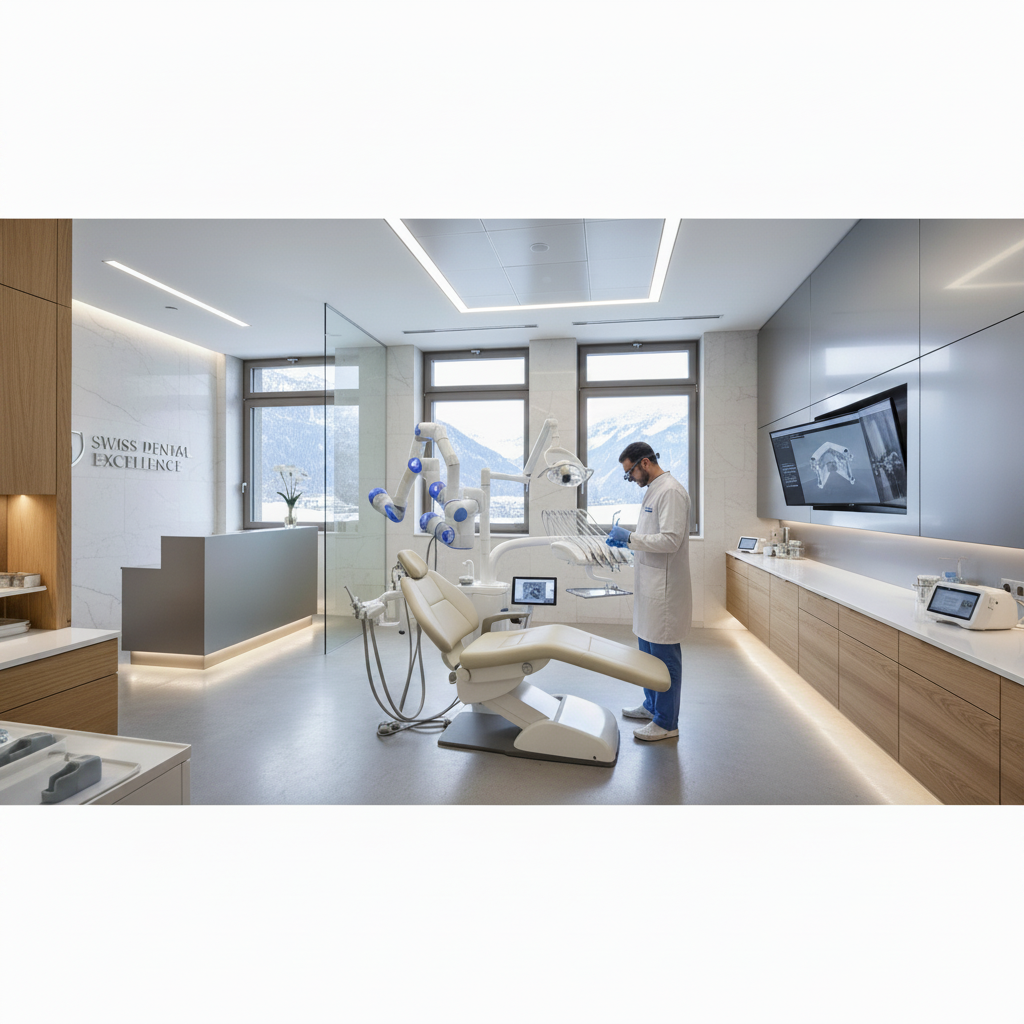
- Exceptional Quality of Care: Swiss dentists are highly trained, often educated at prestigious universities, and adhere to rigorous professional standards. Clinics are equipped with state-of-the-art technology, use premium materials, and maintain strict hygiene protocols. This commitment to excellence naturally commands higher fees.
- Private Sector Dominance: Unlike some countries where public health systems heavily subsidize dental care, most dental practices in Switzerland are private. This leads to market-driven pricing without extensive governmental price controls on many procedures.
- Specialized Training and Continuous Education: Swiss dental professionals invest heavily in ongoing education and specialization, ensuring they are up-to-date with the latest techniques and advancements. This expertise is a valuable asset that is factored into their service charges.
The Swiss Healthcare Model and Dental Coverage
The mandatory basic health insurance (KVG/LAMal) in Switzerland generally does not cover routine dental treatments. It only steps in for severe oral health problems caused by serious illness (e.g., cancer treatment complications) or accidents (if not covered by accident insurance). This means that for regular check-ups, fillings, cleanings, root canals, crowns, and orthodontic work, individuals are typically responsible for 100% of the cost. This fundamental aspect of the Swiss system is a primary reason why dental bills can be unexpectedly high for those unfamiliar with it.
Key Factors Influencing Dentist Visit Cost in Switzerland
The total cost of your dental visit can vary significantly based on several key elements. Being aware of these can help you anticipate expenses and make informed decisions.
Impact of Location and Dentist’s Expertise
Dental costs can fluctuate depending on the canton and even the specific city within Switzerland. Major urban centers like Zurich, Geneva, and Basel typically have higher prices due to elevated overheads and stronger demand for services. Conversely, rural areas might offer slightly more competitive rates, though the difference is not always substantial. Furthermore, the dentist’s experience, specialization (e.g., orthodontist, periodontist, oral surgeon), and reputation can influence their fees. Highly sought-after specialists or those with decades of experience may charge more.
Materials and Technology: Driving Up Costs
The choice of materials plays a crucial role in the cost of many dental procedures. For instance, a tooth-colored composite filling is more expensive than an amalgam filling (which is less commonly used now due to aesthetic and environmental concerns). Similarly, dental crowns can vary widely in price depending on whether they are made of porcelain-fused-to-metal, full ceramic (zirconia), or gold. The use of advanced diagnostic tools like 3D imaging (CBCT scans), laser technology for certain treatments, or digital impression systems also contributes to the overall expense, reflecting a commitment to precision and patient comfort.
Average Dentist Visit Cost in Switzerland for Common Procedures
Providing exact figures for dental costs in Switzerland is challenging, as prices are not standardized and can vary between clinics, cantons, and based on the complexity of the individual case. However, general ranges can offer a helpful overview. The Swiss Dental Association (SSO) provides a “point value” system (Tarifpunktwert), where each procedure is assigned points, and the point value is multiplied by a dentist’s individual tariff. Most dentists operate within an SSO-recommended range, but they are not strictly bound by it.
Here’s an estimated overview of common dental procedure costs:
| Procedure | Estimated Cost Range (CHF) | Notes |
|---|---|---|
| Initial Consultation/Check-up | CHF 100 – 250 | Includes examination, basic diagnostics. X-rays are additional. |
| Dental Cleaning (Prophylaxis) | CHF 120 – 250 | Depends on the extent of tartar and staining. |
| Single Filling (Composite) | CHF 200 – 600 | Cost varies significantly with size, location, and complexity. |
| Tooth Extraction (simple) | CHF 150 – 400 | Surgical extractions (e.g., wisdom teeth) are much higher. |
| Root Canal Treatment (single tooth) | CHF 800 – 2,500+ | Depends on the tooth (front vs. molar), complexity, and number of canals. Does not include crown. |
| Dental Crown (ceramic/zirconia) | CHF 1,200 – 3,000+ | Highly dependent on material, lab costs, and dentist’s fee. |
| Dental Implant (per implant, excluding crown) | CHF 2,000 – 4,000+ | This is for the implant fixture and surgical placement only. Abutment and crown are additional. |
| Teeth Whitening (in-office) | CHF 400 – 800 | Professional, results-oriented treatment. |
| Orthodontic Treatment (e.g., braces, aligners) | CHF 5,000 – 15,000+ | Highly variable based on complexity, duration, and chosen method. |
It is crucial to request a detailed cost estimate (Kostenvoranschlag) before beginning any significant dental work. This estimate should break down all anticipated costs, including dentist’s fees, lab fees, and material costs. For more information on average pricing, refer to a comprehensive guide on average dentist prices in Switzerland.
Navigating Dental Insurance and Payment Options
Given that basic health insurance offers minimal dental coverage, many individuals explore supplementary dental insurance plans. These plans are offered by various private insurers and typically cover a percentage of dental costs, up to a certain annual limit.
Exploring Supplementary Dental Insurance
Supplementary dental insurance can be a valuable investment, especially for families or individuals anticipating significant dental work. However, these policies come with their own set of considerations:
- Waiting Periods: Many plans have waiting periods (e.g., 6-12 months) before major treatments are covered.
- Coverage Limits: There are often annual maximums for reimbursement, and specific procedures might have percentage limitations (e.g., 75% for fillings, 50% for crowns).
- Pre-existing Conditions: Some plans might not cover treatments for pre-existing dental conditions or might require a dental check-up before acceptance.
- Premium Costs: Premiums vary widely based on age, desired coverage level, and the insurer.
It is advisable to carefully compare different insurance providers and their offerings to find a plan that best suits individual needs and budget.
Strategies for Managing Dental Expenses in Switzerland
While the costs are high, there are strategies to help manage dental expenses in Switzerland without compromising on quality of care.
Preventative Care: Your First Line of Defense
The most effective way to minimize high dental bills is through diligent preventative care. Regular check-ups and professional cleanings (typically once or twice a year) can detect problems early when they are less expensive and easier to treat. Maintaining excellent oral hygiene at home – brushing twice daily, flossing, and using mouthwash – is also paramount in preventing cavities and gum disease.
The Role of University Dental Clinics
University dental clinics, such as those associated with the Universities of Zurich or Geneva, can sometimes offer treatments at a slightly reduced cost. These clinics often involve students, supervised by experienced professors, providing care. While the procedures might take longer, the quality of supervision is high, and the costs can be more manageable for certain treatments.
Considering Dental Tourism for Significant Procedures
For extensive and very costly procedures like multiple dental implants, full mouth restorations, or complex orthodontic cases, some residents of Switzerland consider dental tourism. Neighboring countries like Germany, Austria, or even Eastern European countries are sometimes chosen for their lower labor and material costs. However, this option requires careful consideration of travel expenses, follow-up care logistics, and ensuring the quality and reputation of foreign clinics. While potentially saving money, the convenience and direct communication of local Swiss care are often unmatched.
Maintaining Oral Health for Long-Term Savings
Investing in good oral hygiene habits and routine dental visits helps prevent major issues that lead to expensive interventions. Regular flossing, using fluoride toothpaste, and limiting sugary foods and drinks contribute significantly to long-term dental health. Discussing any concerns or changes in oral health promptly with a dentist can prevent minor issues from escalating into costly problems.
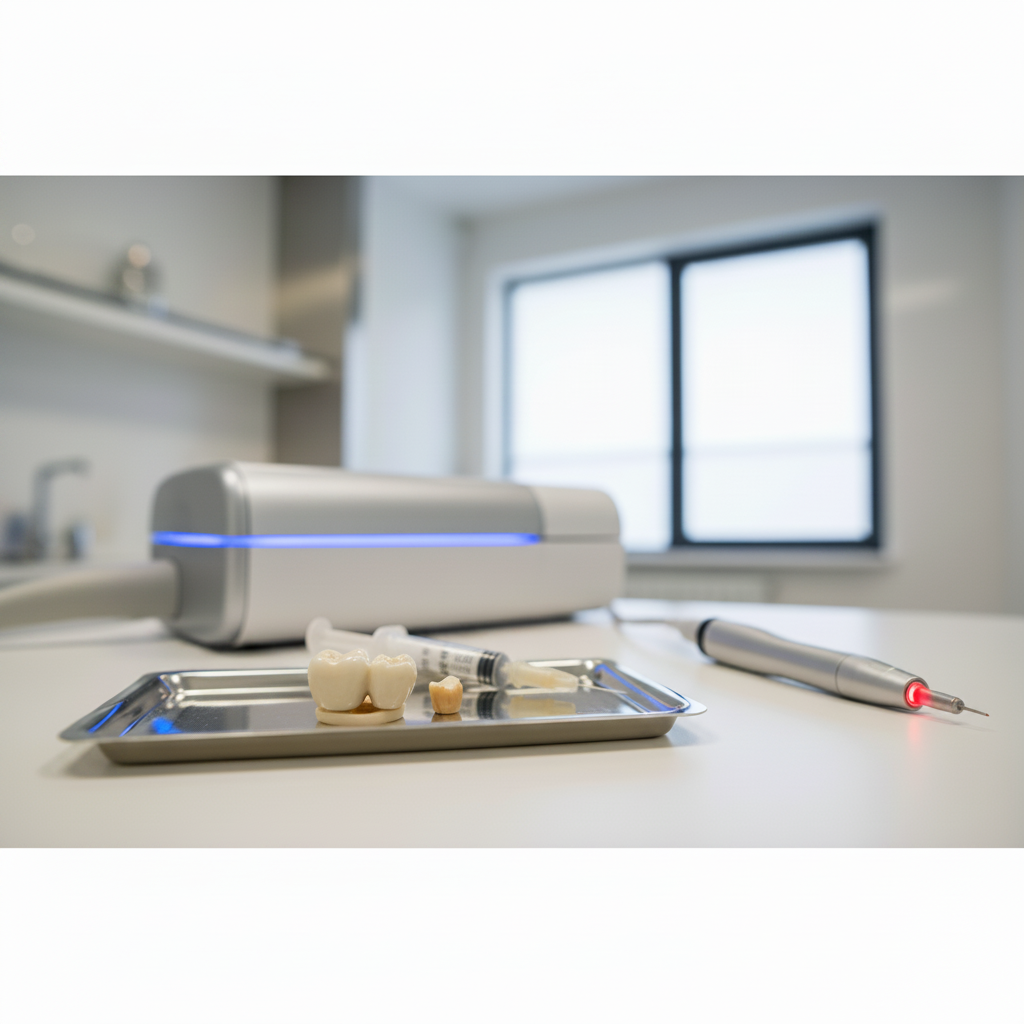
Navigating the cost of dental care in Switzerland requires foresight and careful planning. By understanding the factors influencing prices, exploring insurance options, and prioritizing preventative care, individuals can ensure they receive the high-quality dental treatment Switzerland is known for, without facing unexpected financial strain.