
Dental Crown Cost Switzerland – Complete Breakdown
Dental Crown Cost Switzerland – Complete Breakdown
Understanding the complexities of dental care, particularly when it involves significant procedures like dental crowns, is crucial for anyone seeking treatment in Switzerland. Often seen as a benchmark for quality and precision, Switzerland’s healthcare system also carries a reputation for higher costs. Dental crowns are a common restorative and cosmetic solution, designed to cover a damaged, decayed, or weakened tooth, restoring its shape, size, strength, and improving its appearance. This comprehensive guide aims to demystify the factors influencing the cost of dental crowns in Switzerland, providing a clear breakdown to help patients make informed decisions about their oral health investments.
Understanding Dental Crowns: More Than Just a Cap
Dental crowns, sometimes referred to as “caps,” are custom-made coverings that fit over an entire tooth, right down to the gum line. They serve a multitude of purposes, ranging from purely restorative to cosmetic enhancements. The primary goal is to protect a damaged tooth, improve its function, and restore its aesthetic appeal.
What is a Dental Crown and When is it Needed?
A dental crown is essentially a prosthetic restoration that encases the visible portion of a tooth. Dentists recommend crowns for various reasons, including:
- Protecting a weak tooth from breaking or holding together parts of a cracked tooth.
- Restoring an already broken tooth or a tooth that has been severely worn down.
- Covering and supporting a tooth with a large filling when there isn’t much tooth left.
- Holding a dental bridge in place.
- Covering misshapen or severely discolored teeth.
- Covering a dental implant.
- Making a cosmetic modification.
The decision to get a dental crown is made in consultation with a dentist, who will assess the tooth’s condition, the patient’s overall oral health, and discuss the best material options based on location in the mouth, bite forces, and aesthetic preferences.
Materials Used for Dental Crowns
The choice of material significantly impacts both the appearance and durability of the crown, and critically, its cost. Common materials include:
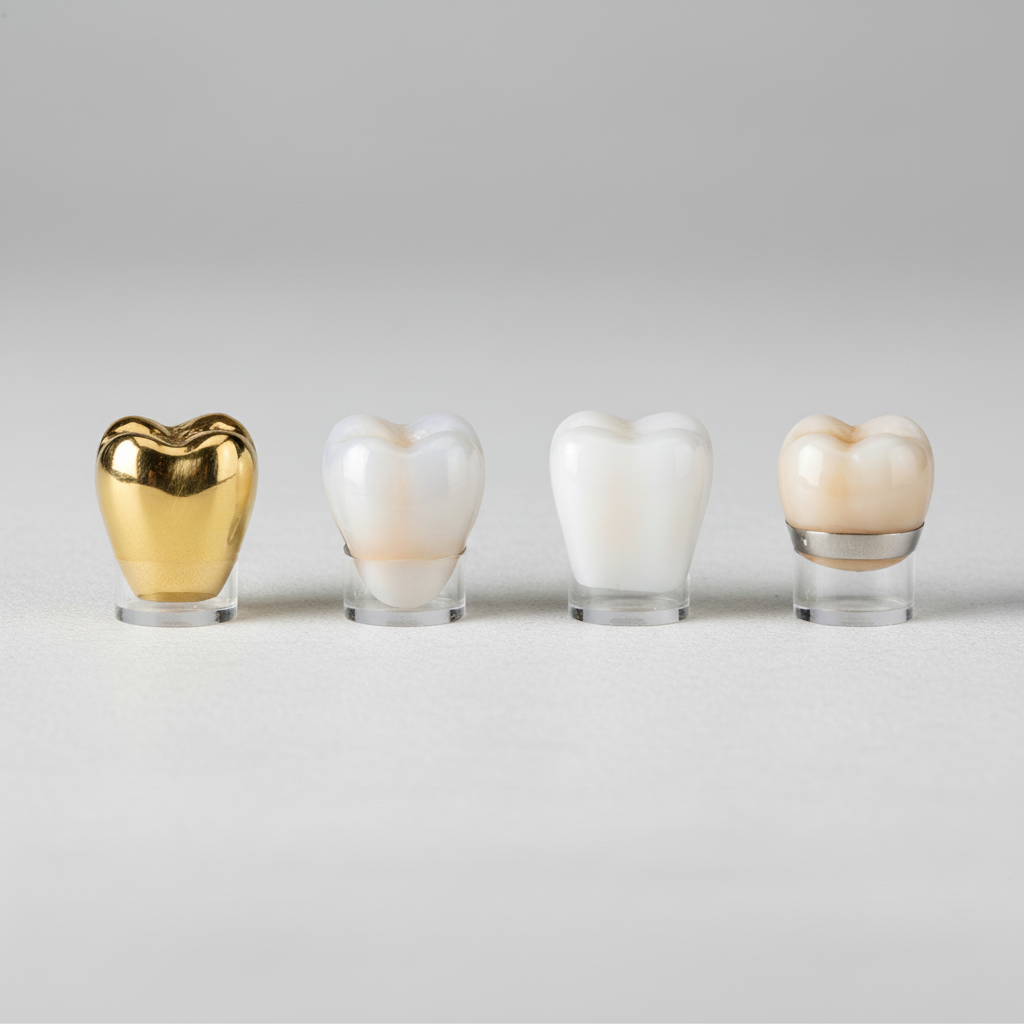
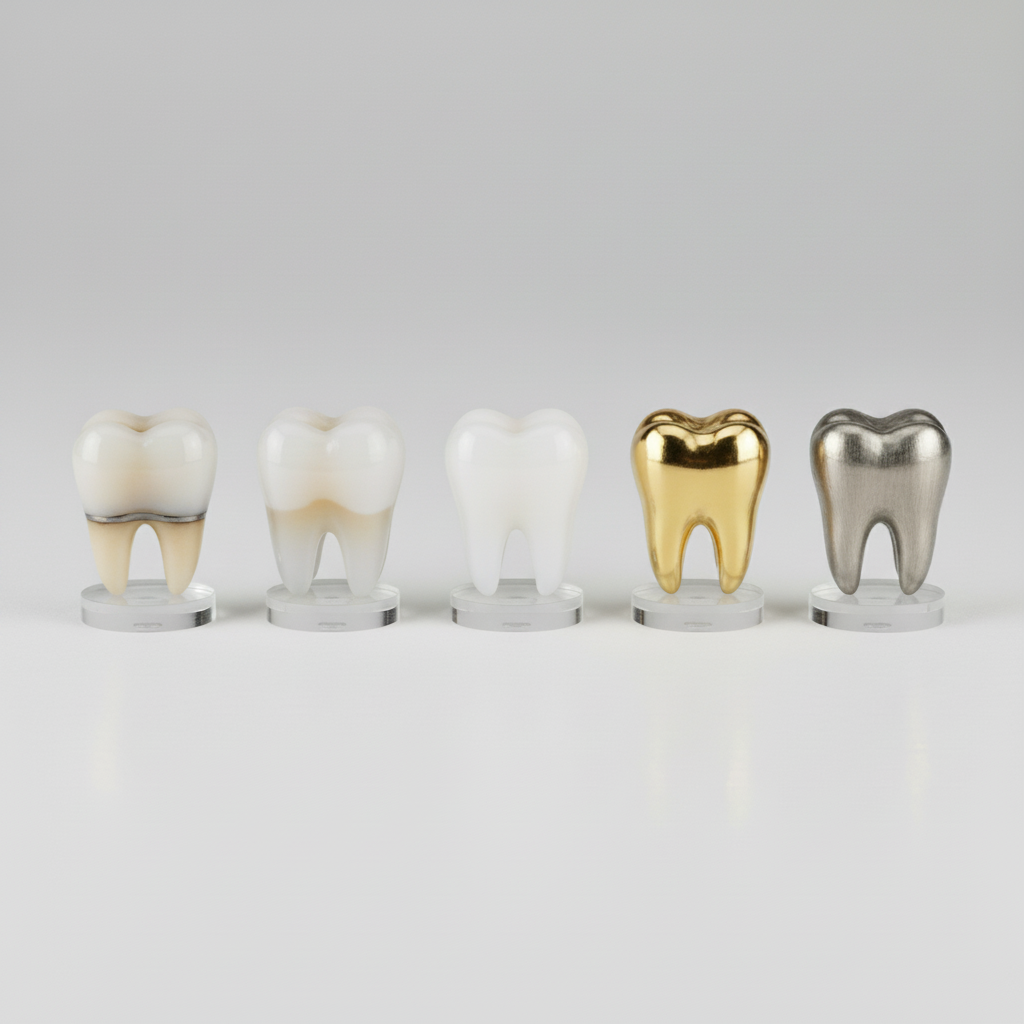
- Porcelain Fused to Metal (PFM): These crowns have a metal substructure for strength, covered by porcelain for a natural tooth-like appearance. They are durable but can sometimes show a dark line at the gum line.
- All-Ceramic/All-Porcelain: These offer the most natural appearance, blending seamlessly with existing teeth. They are ideal for front teeth but can be less durable than metal or zirconia in areas of high bite force.
- Zirconia: A very strong and durable ceramic material that offers excellent aesthetics. Zirconia crowns are highly resistant to fractures and wear, making them suitable for both front and back teeth.
- Gold Alloys: Gold crowns are highly biocompatible, very strong, and gentle on opposing teeth. They are often chosen for back molars where aesthetics are less of a concern than strength and longevity.
- Base Metal Alloys: These are very strong and corrosion-resistant. They require less tooth removal than other materials.
Factors Influencing Dental Crown Cost Switzerland
The expense associated with receiving a dental crown in Switzerland is influenced by a combination of factors. Understanding these elements is key to budgeting for your dental treatment.
Material Choice and its Impact on Price
As highlighted above, the material from which your dental crown is made is one of the most significant determinants of its price. All-ceramic and zirconia crowns, which offer superior aesthetics and durability, typically command a higher price point than PFM or metal alloy crowns. The advanced technology and skilled laboratory work required for these materials contribute to their premium cost.
The Role of Clinic Location and Expertise
Switzerland’s diverse regions also present variations in dental care costs. Clinics located in major metropolitan areas such as Zurich, Geneva, or Bern generally have higher operating costs, which are reflected in their service fees. Conversely, clinics in smaller towns or rural areas might offer slightly more competitive pricing. Furthermore, the experience and specialization of the dentist, as well as the reputation and technology of the dental clinic, can influence the overall fee. Highly experienced dentists or those utilizing state-of-the-art equipment may have higher consultation and procedure fees.
Additional Procedures and Their Contribution to Cost
The cost of a dental crown is rarely just the cost of the crown itself. Often, preparatory procedures are necessary, which add to the total expense. These can include:
- Initial Consultation and X-rays: To accurately diagnose and plan the treatment.
- Tooth Buildup: If a significant portion of the tooth is missing, a core buildup may be required to support the crown.
- Root Canal Treatment: If the tooth needs a root canal before the crown placement, this will be a separate, often substantial, cost.
- Temporary Crown: A temporary crown is typically placed while the permanent one is being fabricated, incurring a minor additional charge.
- Gum Contouring: In some cosmetic cases, minor gum reshaping might be needed to ensure a perfect fit and aesthetic result.
These additional services are essential for the long-term success and health of the crowned tooth and must be considered in the overall budget.
Dental Insurance and Reimbursement in Switzerland
Switzerland has a complex healthcare system. Basic health insurance (Krankenversicherung) generally does not cover routine dental treatments or major procedures like crowns, unless they are medically necessary due to a severe illness (e.g., related to a systemic disease) or an accident. Most Swiss residents opt for supplementary dental insurance (Zahnzusatzversicherung) to cover a percentage of dental costs. The level of reimbursement varies greatly depending on the specific policy, the deductible, and the percentage covered. Patients should clarify their insurance coverage before starting treatment to understand their out-of-pocket expenses.
The following table provides an estimated breakdown of the average Dental Crown Cost Switzerland by material, offering a general range. These figures are illustrative and can vary widely based on the factors mentioned above.
| Crown Material | Average Cost Range (CHF) | Key Characteristics |
|---|---|---|
| Porcelain Fused to Metal (PFM) | CHF 800 – CHF 1,500 | Good strength & aesthetics; dark line at gum possible |
| All-Ceramic / All-Porcelain | CHF 1,000 – CHF 2,000 | Excellent aesthetics; less strong than zirconia/metal |
| Zirconia | CHF 1,200 – CHF 2,500 | High strength & excellent aesthetics; durable |
| Gold Alloy | CHF 1,000 – CHF 2,200 | Very strong, biocompatible; less aesthetic for front teeth |
| Base Metal Alloy | CHF 700 – CHF 1,300 | High strength, corrosion-resistant; often for back teeth |
Note: These are estimated ranges for the crown itself and may not include associated procedures like root canals, core buildups, or extractions.
The Dental Crown Procedure: What to Expect
Receiving a dental crown typically involves at least two visits to the dentist, though some clinics offering CAD/CAM technology can complete the process in a single appointment.
Initial Assessment and Treatment Planning
During the first visit, the dentist will conduct a thorough examination of the tooth requiring a crown, including X-rays. They will discuss the various material options, explain the procedure, and address any concerns or questions. This is also the time to clarify costs and insurance coverage.
Tooth Preparation and Temporary Crown Placement
The tooth receiving the crown needs to be prepared. This involves reshaping the tooth by removing a portion of the outer surface to make room for the crown. The amount removed depends on the type of crown. After preparation, an impression of the prepared tooth and surrounding teeth is taken. This impression is sent to a dental lab where the custom crown will be fabricated. While the permanent crown is being made, a temporary crown, usually made of acrylic, is placed to protect the prepared tooth.
Fabrication of the Permanent Crown
The dental lab uses the impression to meticulously craft the permanent crown to ensure it fits perfectly and matches the bite and surrounding teeth. This process typically takes one to two weeks. Modern dentistry also allows for same-day crowns using CAD/CAM technology, where the crown is designed and milled in the clinic.
Final Cementation and Aftercare
On the second visit, the temporary crown is removed, and the permanent crown is carefully placed and checked for fit, bite, and aesthetics. If everything is satisfactory, the crown is permanently cemented onto the prepared tooth. The dentist will provide instructions on how to care for your new crown, which typically involves maintaining good oral hygiene practices like regular brushing, flossing, and dental check-ups.
Benefits and Longevity of Dental Crowns
Dental crowns offer significant advantages, making them a popular and effective restorative solution. Their longevity depends on several factors, including the material chosen, oral hygiene, and regular dental visits.
Restoring Function and Aesthetics
One of the primary benefits of a dental crown is its ability to restore the full function of a damaged tooth. Patients can chew, speak, and smile with confidence again. Aesthetically, modern crowns, particularly those made from ceramic or zirconia, are designed to mimic the natural translucency and shade of existing teeth, providing a seamless and beautiful result. This cosmetic improvement can significantly boost a patient’s self-esteem. Exploring options like veneers can also transform smiles, showcasing the diverse solutions available in cosmetic dentistry. For those interested in cosmetic alternatives, understanding how much veneers cost in Switzerland provides another perspective on smile enhancement.
Durability and Maintenance
With proper care, dental crowns can last anywhere from 5 to 15 years, and sometimes even longer. The durability varies by material, with gold and zirconia generally offering the longest lifespan due to their inherent strength. To maximize the longevity of your crown, it’s essential to:
- Practice excellent oral hygiene: Brush twice daily and floss once a day.
- Avoid chewing on hard foods, ice, or other hard objects, which can damage the crown.
- Address teeth grinding (bruxism) with a nightguard, if necessary, to protect the crown and natural teeth.
- Schedule regular dental check-ups and professional cleanings to ensure the health of the crowned tooth and surrounding gums.
Choosing the Right Dental Clinic in Switzerland
Selecting a reputable dental clinic in Switzerland is paramount for a successful and satisfactory dental crown experience. Look for clinics that prioritize patient comfort, utilize advanced technology, and have transparent pricing policies. It is advisable to:
- Research the dentist’s qualifications and experience.
- Read patient reviews and testimonials.
- Inquire about the materials used for crowns and the dental lab they partner with.
- Request a detailed treatment plan and cost estimate upfront.
- Ensure the clinic adheres to high hygiene and safety standards.
Making an informed choice will ensure you receive high-quality care that meets your specific needs and budget. For general information about dental prosthetics, including crowns, a resource like Wikipedia can offer foundational knowledge.
Switzerland offers world-class dental care, and while the costs for dental crowns may be higher than in some other countries, the investment often translates into superior quality, precision, and longevity. By understanding the factors that influence costs and diligently researching your options, you can navigate the process with confidence, securing a healthy and beautiful smile for years to come.





One Comment