Zirconium Crowns Cost Switzerland vs Porcelain
Choosing the right dental crown is a significant decision for anyone looking to restore a damaged tooth or enhance their smile. Among the various options available, zirconium crowns have emerged as a frontrunner, particularly valued for their strength, aesthetics, and biocompatibility. However, when considering dental treatments in a country renowned for its high standards and associated costs, such as Switzerland, understanding the financial implications is paramount. This comprehensive guide will delve into the world of zirconium crowns, comparing them with traditional porcelain options, exploring the factors that influence their cost in Switzerland, and outlining the process involved in their placement.
Zirconium Crowns Cost Switzerland vs Porcelain
Understanding Zirconium Crowns
Zirconium dioxide, often referred to simply as zirconia, is a white crystalline oxide of zirconium. In dentistry, it has revolutionized restorative procedures due to its exceptional properties. Zirconium crowns are made from this highly durable material, known for its incredible strength and natural, tooth-like appearance. Unlike traditional metal-based crowns or porcelain-fused-to-metal (PFM) crowns, zirconium offers a metal-free solution, eliminating concerns about allergic reactions or the dreaded grey line that can appear at the gum line over time with PFM crowns.
The material’s strength means that zirconium crowns are highly resistant to chipping, cracking, and wear, making them an excellent choice for both anterior (front) and posterior (back) teeth, where chewing forces are significant. Modern dental technology, particularly CAD/CAM (Computer-Aided Design/Computer-Aided Manufacturing) systems, allows for the precise milling of zirconium crowns, ensuring an accurate fit and reducing chair time for patients. The aesthetic appeal comes from zirconium’s natural translucency, which mimics the light-passing properties of natural tooth enamel, allowing for a highly realistic and seamless integration with existing teeth. Its biocompatibility is another critical advantage, meaning it is well-tolerated by the body and less likely to cause irritation or allergic reactions in the surrounding gum tissues.
Zirconium vs. Porcelain Crowns: A Detailed Comparison
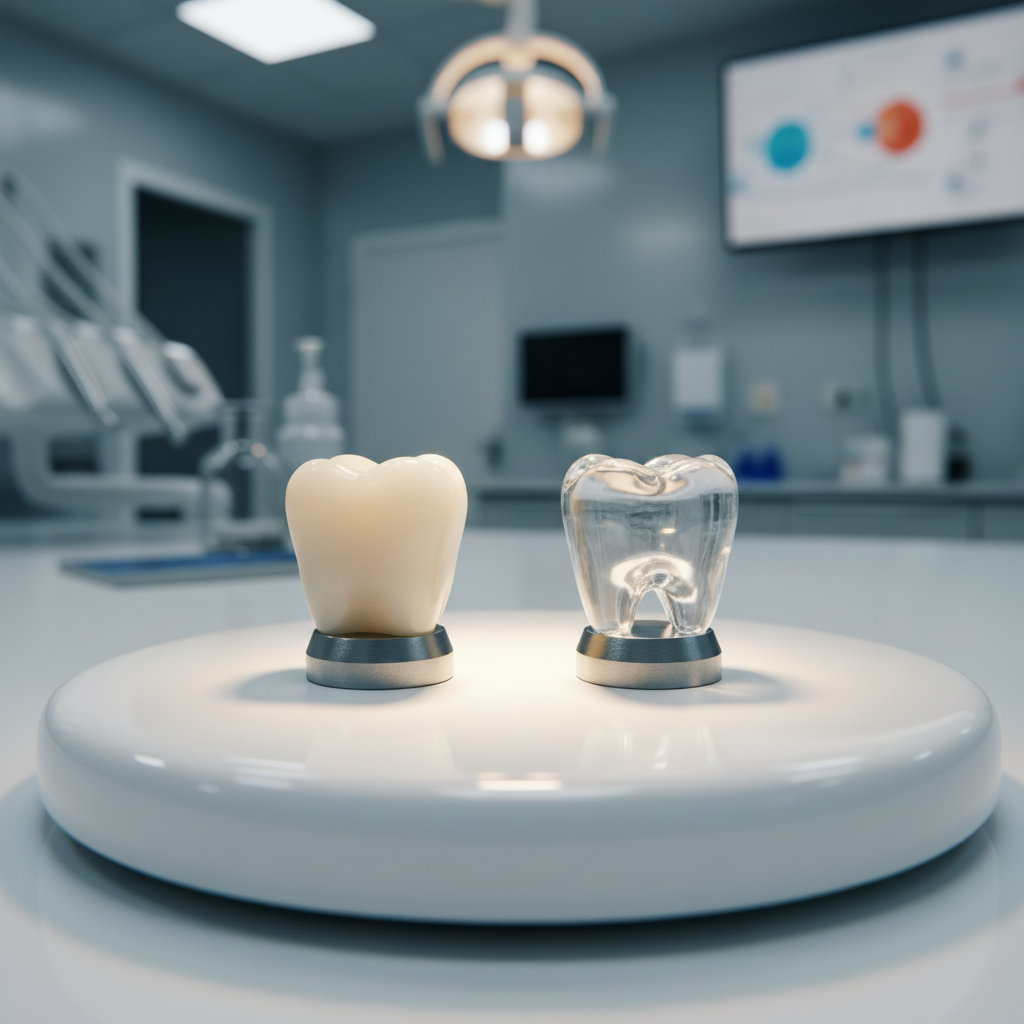
The decision between zirconium and porcelain crowns often comes down to a balance of aesthetics, durability, and cost. While both are excellent options for restoring teeth, they have distinct characteristics that make them suitable for different situations. Porcelain crowns, particularly those made entirely of ceramic (all-ceramic), offer superb aesthetics, often considered the gold standard for replicating the natural translucency of teeth. However, all-ceramic porcelain can be more prone to chipping or fracturing under heavy chewing forces, especially in the posterior region.
Zirconium, on the other hand, boasts superior strength, making it ideal for patients who grind their teeth or for crowns in high-stress areas. While early generations of zirconium crowns were sometimes criticized for being less translucent than porcelain, advancements in dental materials have led to highly aesthetic translucent zirconium options that rival porcelain in appearance. PFM crowns, a traditional choice, offer strength due to their metal base but can compromise aesthetics and present biocompatibility issues for some individuals.
Here is a comparative overview:
| Feature | Zirconium Crowns | Porcelain Crowns (All-Ceramic) |
|---|---|---|
| Material Composition | Zirconium dioxide (ceramic) | Feldspathic, Leucite-reinforced, Lithium Disilicate (all-ceramic) |
| Strength & Durability | Exceptional; highly resistant to fracture, ideal for molars. | Good aesthetics, but less fracture-resistant than zirconium, especially for single crowns. |
| Aesthetics | Excellent; natural translucency, good for front and back teeth. | Superb; highly natural translucency, often preferred for front teeth. |
| Biocompatibility | Excellent; metal-free, very well-tolerated by gum tissue. | Excellent; metal-free, generally well-tolerated. |
| Tooth Reduction | Requires less tooth reduction compared to PFM crowns. | Can require slightly more reduction than zirconium for sufficient strength. |
| Cost in Switzerland | Typically higher than porcelain, reflecting advanced material and technology. | Generally lower than zirconium, but can vary with type (e.g., Emax). |
| Longevity | Very long-lasting due to high strength, potentially 10-15+ years. | Good, but may have a slightly higher risk of chipping over time, 5-15 years. |
| Gum Line Appearance | No dark line, as it is metal-free. | No dark line, as it is metal-free. |
Factors Influencing Zirconium Crowns Cost Switzerland
The cost of dental treatments in Switzerland is notably higher than in many other countries, reflecting the country’s high standard of living, rigorous medical education, advanced technological infrastructure, and stringent quality controls. When it comes to Zirconium Crowns Cost Switzerland, several factors contribute to the final price tag:
- Clinic’s Location and Reputation: Dental clinics in major cities like Zurich, Geneva, or Bern typically have higher overheads, which translate to higher treatment costs. Established clinics with a reputation for excellence, utilizing state-of-the-art equipment and highly experienced specialists, will also command higher fees.
- Dentist’s Expertise and Experience: The skill and experience of the prosthodontist or general dentist performing the procedure play a crucial role. A dentist with extensive experience in cosmetic and restorative dentistry, particularly with zirconium, may charge more for their expertise.
- Type of Zirconium Used: There are different formulations of zirconium, including opaque full-contour zirconia and more translucent, layered zirconia. While full-contour zirconia offers maximum strength, layered zirconia, which has a porcelain layer fused over a zirconia core, provides enhanced aesthetics. The choice between these can affect the overall cost.
- Additional Procedures Required: The total cost isn’t just about the crown itself. If the tooth requires prior treatment such as a root canal, core buildup (to create sufficient structure for the crown), gum reshaping, or removal of an old crown, these will add to the overall expense.
- Laboratory Fees: Most zirconium crowns are custom-fabricated in dental laboratories, often using advanced CAD/CAM technology. The quality of the dental lab, the technology employed, and the skill of the dental technician all contribute to the lab fees, which are then passed on to the patient.
- Diagnostic Imaging and Consultation: Initial consultations, X-rays, 3D scans, and treatment planning are all part of the process and will be included in the total cost.
- Warranties and Follow-up Care: Some clinics may offer warranties on their crowns or include follow-up appointments, which can be factored into the initial price.
The Procedure for Zirconium Crown Placement
The placement of a zirconium crown typically involves several steps, spread across two or three dental appointments:
- Initial Consultation and Examination: The dentist will assess the damaged tooth, take X-rays, and discuss your treatment goals. They will determine if a zirconium crown is the most suitable option for your specific case.
- Tooth Preparation: During the first treatment appointment, the dentist will numb the area and carefully reshape the tooth. This involves removing a small amount of enamel and dentin to create sufficient space for the crown to fit over it without appearing bulky. The extent of preparation is generally less with zirconium compared to PFM crowns.
- Impressions or Digital Scans: Accurate impressions of the prepared tooth and surrounding teeth are taken. Many modern Swiss clinics utilize digital intraoral scanners, which create a highly precise 3D model of your teeth, eliminating the need for traditional, sometimes uncomfortable, impression materials.
- Temporary Crown Placement: A temporary crown, usually made of acrylic, is placed over the prepared tooth to protect it from sensitivity and damage while the permanent zirconium crown is being fabricated.
- Zirconium Crown Fabrication: The digital or physical impressions are sent to a dental lab. Using CAD/CAM technology, a custom zirconium crown is designed and milled from a solid block of zirconia. It is then stained and glazed to match the shade and translucency of your natural teeth perfectly. This process can take one to two weeks, or sometimes even less with in-house milling capabilities (same-day crowns).
- Final Placement: In the second appointment, the temporary crown is removed. The dentist will try on the permanent zirconium crown to check its fit, bite, and aesthetics. Any minor adjustments can be made at this stage. Once both you and the dentist are satisfied, the crown is permanently bonded to your tooth using a strong dental cement.
- Post-Procedure Care: The dentist will provide instructions on how to care for your new crown, emphasizing good oral hygiene practices like regular brushing, flossing, and routine dental check-ups to ensure its longevity.
Benefits of Choosing Zirconium Crowns
The growing popularity of zirconium crowns is rooted in their impressive list of advantages:
- Exceptional Strength and Durability: Zirconium is one of the strongest dental materials available, making crowns highly resistant to fracture, even under significant chewing pressure. This durability translates to a long lifespan for the restoration.
- Superior Aesthetics: With advancements in dental ceramics, zirconium crowns now offer excellent translucency and can be precisely matched to the shade of your natural teeth, providing a seamless and aesthetically pleasing restoration. They do not have the opaque or grey appearance sometimes associated with older PFM crowns.
- Biocompatibility: Zirconium is a highly biocompatible material, meaning it is well-tolerated by the body and poses a minimal risk of allergic reactions or tissue irritation. This makes it an ideal choice for patients with sensitivities to metals.
- Longevity: Due to their robust nature, zirconium crowns can last for many years, often exceeding 10-15 years with proper care, offering a durable long-term solution.
- Less Tooth Reduction: Compared to PFM crowns, zirconium crowns often require less removal of the natural tooth structure during preparation, helping to preserve more of your original tooth.
- Resistance to Chipping and Cracking: Their inherent strength minimizes the risk of chipping or cracking, a common concern with some other ceramic materials.
- No Dark Gum Line: Since there is no metal substructure, zirconium crowns eliminate the unsightly dark line that can appear at the gum margin of PFM crowns over time as gums recede.
Potential Drawbacks and Considerations
While zirconium crowns offer numerous benefits, it is important to consider a few potential drawbacks:
- Higher Initial Cost: As discussed, zirconium crowns generally represent a higher initial investment compared to other crown types, especially in countries like Switzerland.
- Hardness and Opposing Teeth: While beneficial for durability, the hardness of zirconium can potentially cause wear on opposing natural teeth if the crown is not perfectly polished and adjusted. This underscores the importance of an experienced dentist and skilled lab technician.
- Adjustments After Cementation: Once cemented, making significant adjustments to zirconium crowns can be more challenging due to their extreme hardness. Precision during the design and trial phase is crucial.
Navigating Dental Insurance and Financing in Switzerland
Understanding how dental costs are covered in Switzerland is essential. Unlike basic health insurance (KVG/LAMal), which is mandatory and covers general medical care, basic dental care is typically *not* covered by standard health insurance policies, except in cases of severe illness or accident. This means patients often bear the full cost of restorative procedures like dental crowns.
Many Swiss residents opt for supplementary dental insurance policies, which can help offset a portion of the costs for treatments like crowns, implants, or orthodontics. The coverage level varies significantly between policies, so it is vital to review the terms and conditions carefully, paying attention to waiting periods, maximum annual payouts, and specific procedure coverage. Some clinics offer payment plans or financing options to help manage the upfront cost, allowing patients to spread payments over time. Additionally, some individuals explore dental tourism options in neighboring countries or Turkey, where similar high-quality treatments may be available at a lower cost, though this involves travel and logistical considerations.
Making an Informed Decision for Your Smile
Choosing zirconium crowns in Switzerland is an investment in your oral health and aesthetic well-being. The country’s commitment to precision, advanced technology, and highly skilled dental professionals ensures a superior standard of care. While the cost of Zirconium Crowns in Switzerland may be higher than in other regions, the benefits of their durability, natural appearance, and biocompatibility often justify the investment for those seeking a long-lasting and aesthetically pleasing solution.
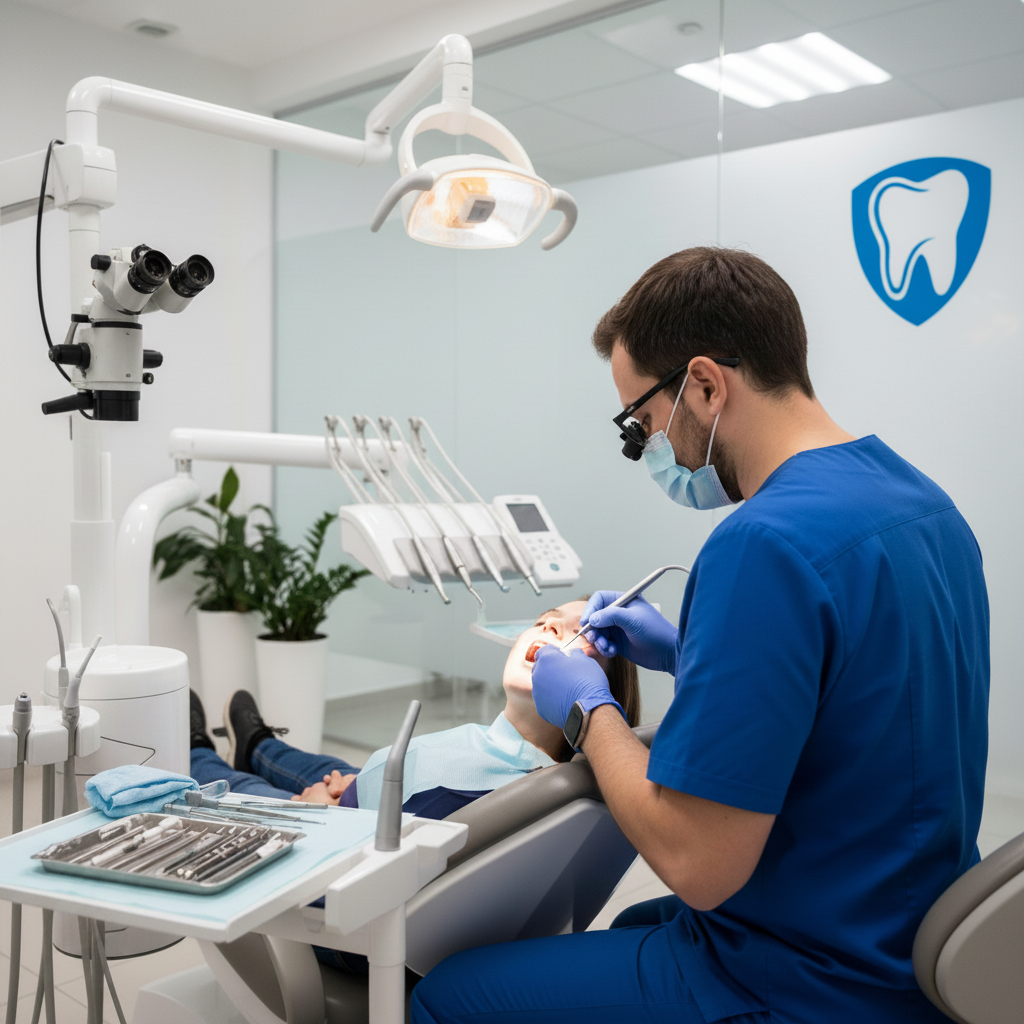
Ultimately, the best course of action is to have a thorough consultation with a qualified dental professional. They can assess your individual needs, discuss all available options, including the various types of zirconium and porcelain crowns, and provide a detailed breakdown of the associated costs. Making an informed decision, considering both the immediate expense and the long-term value, is key to achieving a healthy, confident smile that lasts.