How Much Do You Pay Out of Pocket in Switzerland?

How Much Do You Pay Out of Pocket in Switzerland? Navigating the Swiss healthcare system can often feel like deciphering a complex financial puzzle, particularly when it comes to understanding the out-of-pocket expenses residents and expatriates might incur. Switzerland boasts one of the world’s most advanced and highly-regarded healthcare systems, known for its quality and accessibility. However, this excellence comes with a price tag, and a significant portion of healthcare costs is borne directly by individuals through various mechanisms. Understanding these mechanisms – from mandatory insurance premiums to deductibles, co-payments, and supplementary insurance – is crucial for anyone living or planning to live in this alpine nation. Unlike many other European countries with tax-funded or social insurance systems, Switzerland operates on a compulsory health insurance model, where every resident must purchase basic health insurance from a private provider. While this ensures universal coverage, it also means that the individual is actively involved in managing their healthcare expenses and understanding their policy’s specifics.
The Mandatory Basic Health Insurance (KVG/LAMal)
At the core of the Swiss healthcare system is the mandatory basic health insurance, known as KVG (Krankenversicherungsgesetz) in German-speaking cantons and LAMal (Loi sur l’Assurance Maladie) in French-speaking regions. This insurance covers a wide range of essential medical services, including visits to general practitioners and specialists, hospital stays (in the general ward of your canton of residence), prescription medications, and some preventive care. The coverage is standardized by law, meaning all basic policies from different providers offer the same benefits. However, the premiums can vary significantly depending on the insurance company, the canton of residence, and the chosen deductible (franchise).
The KVG/LAMal system is designed to provide comprehensive, quality care, but it also places a degree of financial responsibility on the insured individual. This responsibility primarily manifests through two key components: the deductible (franchise) and the co-payment (Selbstbehalt/participation).
Deductibles (Franchise) and Co-payments (Selbstbehalt) Explained
The deductible, or franchise, is a fixed amount that you must pay out of your own pocket for medical treatments within a calendar year before your health insurance starts contributing. In Switzerland, individuals can choose their deductible from a range of options. For adults, the minimum annual deductible is CHF 300, and the maximum is CHF 2,500. Choosing a higher deductible typically results in lower monthly insurance premiums, but it also means you bear more of the initial costs yourself if you need medical care. Conversely, a lower deductible leads to higher premiums but less out-of-pocket spending when illness strikes.
Once you have paid the full amount of your chosen deductible for the year, the co-payment, or Selbstbehalt, comes into play. This is a percentage of the remaining medical costs that you are still required to pay. For adults, the co-payment is generally 10% of the costs exceeding the deductible, up to a maximum of CHF 700 per year. For children, the maximum co-payment is CHF 350 per year. This means that even after meeting your deductible, you will still pay a small portion of subsequent bills until you reach the annual co-payment cap. Combined, the maximum out-of-pocket expense for medical treatments covered by basic insurance (excluding premiums) is your chosen deductible plus the maximum co-payment (e.g., CHF 2,500 + CHF 700 = CHF 3,200).
How Much Do You Pay Out of Pocket in Switzerland? Beyond Basic Coverage
While basic insurance covers essential medical care, it often falls short for certain services, particularly in areas like dental care, alternative medicine, private hospital rooms, or treatments abroad. This is where supplementary insurance (Zusatzversicherung) becomes relevant. Supplementary insurance policies are optional and offered by various private insurers, often the same ones that provide basic insurance. These policies are not standardized by law, allowing insurers to tailor their offerings and individuals to select coverage based on their specific needs and preferences.
Common areas covered by supplementary insurance include:
* Dental Treatments: Basic insurance generally does not cover routine dental check-ups, cleanings, fillings, orthodontics, or complex procedures like implants. Supplementary dental insurance can significantly reduce these out-of-pocket costs, though coverage levels vary widely.
* Alternative Medicine: Many basic policies do not cover treatments like acupuncture, homeopathy, or chiropractic care. Supplementary insurance can include these.
* Hospital Stays: While basic insurance covers a general ward stay in your canton of residence, supplementary hospital insurance can provide access to semi-private or private rooms, choice of doctor, and coverage in hospitals outside your canton.
* Eyeglasses and Contact Lenses: Basic insurance covers very little in this area, typically only after cataract surgery or severe vision impairment.
* Preventive Care: Some supplementary policies offer additional benefits for gym memberships, health courses, or enhanced check-ups.
* Emergency Treatments Abroad: While basic insurance offers some coverage, supplementary insurance can provide more comprehensive protection.
The cost of supplementary insurance varies greatly based on the scope of coverage, your age, and your health status, as insurers can refuse applicants or apply waiting periods for pre-existing conditions (unlike basic insurance, which is guaranteed issue).
Understanding Out-of-Pocket Dental Costs in Switzerland
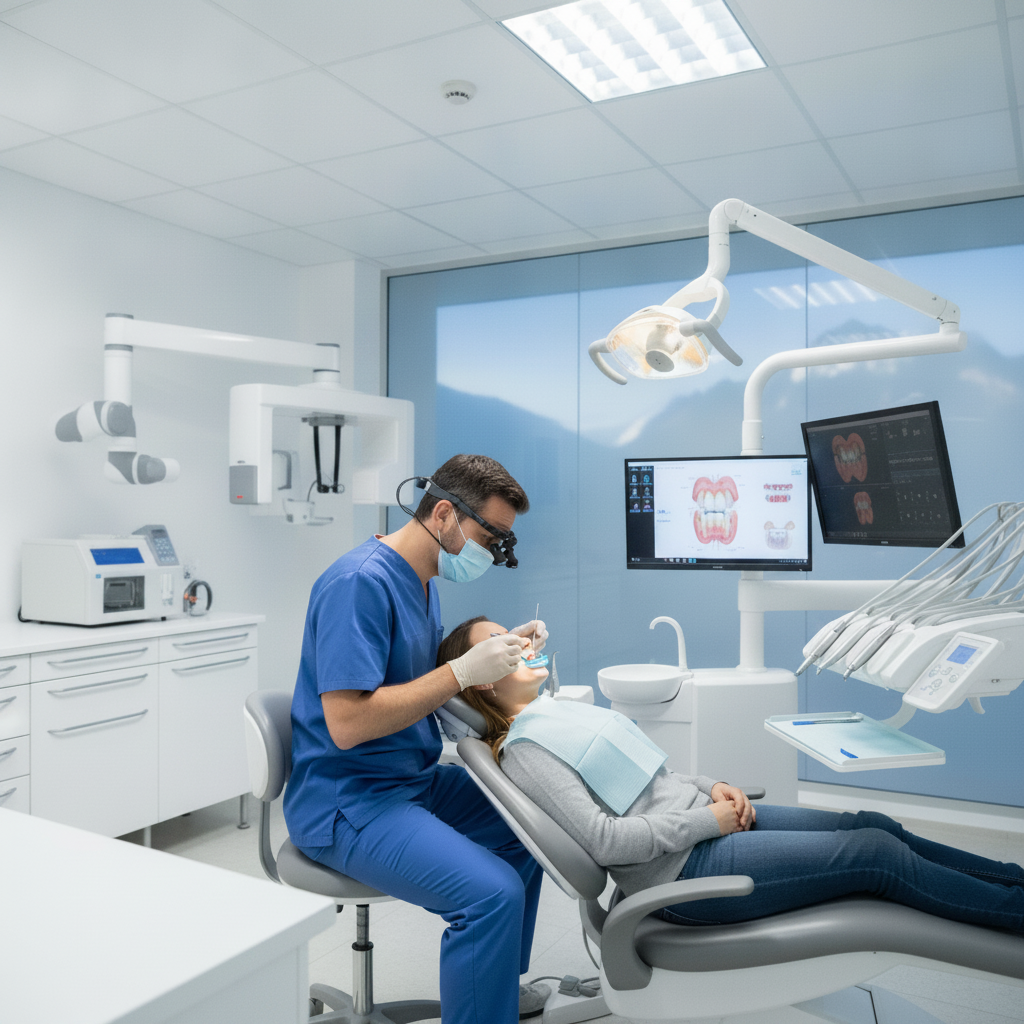
Dental care is one of the most significant areas of out-of-pocket expense for residents in Switzerland, as basic health insurance generally does not cover dental treatments. This policy stems from the belief that dental health is largely a matter of personal responsibility and preventive care. Consequently, individuals are expected to bear the full cost of dental check-ups, cleanings, fillings, root canals, crowns, bridges, and dental implants.
The costs of average dentist prices in Switzerland can be substantial due to the high standards of care, advanced technology, and professional fees. For example, a routine cleaning can range from CHF 100 to CHF 200, while a simple filling might cost between CHF 150 and CHF 400. More complex procedures like root canals or crowns can easily run into several thousand Swiss Francs. Dental implants, being a significant restorative procedure, can cost anywhere from CHF 3,000 to CHF 8,000 or more per implant, depending on the complexity, material, and additional procedures like bone grafting.
Given these high costs, many Swiss residents opt for supplementary dental insurance. These policies typically cover a percentage of dental treatment costs, often between 50% and 80%, up to an annual maximum limit. It’s crucial to carefully review the terms and conditions, as some policies have waiting periods before complex treatments are covered, or limitations on specific procedures. Without such insurance, dental care constitutes a direct and often significant out-of-pocket expense.
| Category of Expense | Description | Typical Out-of-Pocket Contribution (CHF) | Impact on Individual |
|---|---|---|---|
| Mandatory Basic Health Insurance Premiums | Monthly payments for KVG/LAMal. Varies by canton, insurer, deductible, and age. | 300 – 600+ per month | Predictable, ongoing cost, irrespective of healthcare usage. |
| Deductible (Franchise) | Annual amount paid by insured before basic insurance starts covering costs. | 300 (minimum) – 2,500 (maximum) | Initial lump sum payment for medical services within a year. |
| Co-payment (Selbstbehalt) | 10% of costs after deductible is met, up to annual maximum. | Up to 700 per year (adults) | Small, incremental payments for subsequent services after deductible. |
| Dental Treatments | Routine check-ups, cleanings, fillings, root canals, crowns, implants. Generally NOT covered by basic insurance. | 100s to 1,000s or 10,000s (for complex cases like implants) | Significant, direct costs unless supplementary dental insurance is in place. |
| Supplementary Insurance Premiums | Optional monthly payments for enhanced coverage (e.g., dental, private hospital room, alternative medicine). | 50 – 200+ per month | Additional predictable cost for broader coverage and peace of mind. |
| Non-covered Services | Cosmetic procedures, certain alternative therapies without supplementary insurance, some vision care. | Varies widely, 100% borne by individual. | Specific, elective costs entirely at the individual’s expense. |
Factors Influencing Out-of-Pocket Costs
Several factors can influence the total amount an individual pays out of pocket in Switzerland:
* Canton of Residence: Health insurance premiums vary significantly between cantons, with urban and economically stronger cantons often having higher premiums. This directly impacts the primary out-of-pocket expense (premiums).
* Choice of Deductible: As discussed, selecting a higher deductible reduces monthly premiums but increases the initial financial burden during illness. A lower deductible means higher premiums but less upfront cost when you need care.
* Managed Care Models: Many insurers offer alternative insurance models, such as HMOs (Health Maintenance Organizations), family doctor models, or Telmed (telemedicine) models. These models often come with lower premiums in exchange for restricting the patient’s initial choice of care provider (e.g., requiring a call to a telemedicine center before seeing a doctor). While lowering premiums, they can also introduce new out-of-pocket costs if you deviate from the model’s rules.
* Health Status and Lifestyle: Individuals with chronic conditions or those requiring frequent medical attention will likely reach their deductible and co-payment caps sooner. Conversely, healthy individuals might benefit more from a higher deductible, saving on premiums.
* Supplementary Insurance Choices: The decision to invest in supplementary insurance, and the extent of its coverage, directly impacts how much you pay out of pocket for services not covered by basic insurance, especially dental care and elective treatments.
* Provider Choice: While basic insurance covers essential care, the choice of hospital (outside your canton’s general ward), specialist (if not referred within a managed care model), or dentist can impact costs if not fully covered by your specific policy or supplementary insurance.
Managing and Minimizing Out-of-Pocket Expenses
While out-of-pocket costs are an inherent part of the Swiss healthcare system, there are strategies individuals can employ to manage and potentially minimize their expenses:
* Choose the Right Deductible: Evaluate your health status and anticipated medical needs annually. If you are generally healthy and rarely visit the doctor, a higher deductible might be more cost-effective. If you have chronic conditions or anticipate frequent medical care, a lower deductible could save you money in the long run.
* Compare Insurance Providers: Premiums for basic insurance, although offering standardized benefits, vary by insurer and canton. Utilize online comparison portals (like Comparis) to find the most competitive premiums for your chosen deductible and model.
* Consider Managed Care Models: If you are comfortable with a more structured approach to healthcare (e.g., consulting a telemedicine service first or sticking to a family doctor), these models can offer significant premium reductions.
* Evaluate Supplementary Insurance Needs: Assess your individual requirements for dental care, alternative medicine, or hospital preferences. If these are priorities, investing in appropriate supplementary insurance can prevent large unexpected bills. However, carefully compare policies, coverage limits, and exclusion clauses.
* Prioritize Preventive Care: Regular check-ups, cleanings, and a healthy lifestyle can help avoid more costly treatments down the line, particularly for dental health which is largely self-funded.
* Understand Your Policy: Read your insurance policy documents carefully to understand what is covered, what isn’t, and any specific terms regarding referrals, network providers, or limitations.
* Request Cost Estimates: For significant procedures, especially dental work, always ask your provider for a detailed cost estimate (Kostenvoranschlag) beforehand. This allows you to plan financially and potentially compare prices. According to Wikipedia on Healthcare in Switzerland, the system’s reliance on private insurers means a strong emphasis on individual responsibility and market mechanisms.

Ultimately, navigating the out-of-pocket landscape in Switzerland requires proactive engagement with your health insurance and a clear understanding of your financial responsibilities within the system. By making informed choices about basic and supplementary insurance, and being mindful of healthcare utilization, individuals can effectively manage their healthcare expenditures while benefiting from one of the world’s leading healthcare systems.