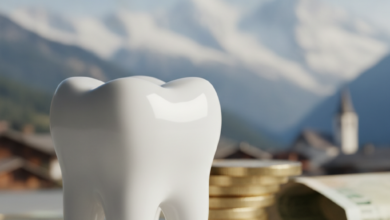
Financing Dental Treatments Switzerland

Private Savings and Direct Payments: For many routine procedures, such as annual check-ups, cleanings, and minor fillings, paying directly from private savings is the most straightforward method. This approach offers complete flexibility and avoids the complexities of insurance claims or loan applications. However, it requires sufficient liquid assets and may not be feasible for extensive or unexpected treatments, which can quickly accumulate into substantial costs.

Financing Dental Treatments Switzerland can seem daunting due to the nation’s reputation for high living and healthcare costs. Navigating the expenses associated with maintaining optimal oral health in Switzerland requires a comprehensive understanding of available financing options, cost-saving strategies, and the intricacies of the Swiss healthcare system. This guide aims to demystify the financial aspects of dental care, empowering individuals to make informed decisions for their dental well-being.
The Landscape of Dental Costs in Switzerland
Switzerland consistently ranks among the countries with the highest healthcare costs globally, and dental treatments are no exception. Several factors contribute to this high expense. The general cost of living, high wages for dental professionals and support staff, advanced technology, stringent quality standards, and the sophisticated infrastructure of Swiss dental clinics all play a role. Unlike basic medical care, which is largely covered by mandatory health insurance, routine dental treatments are predominantly excluded from this compulsory coverage. This unique structure places a significant financial burden directly on the patient, making proactive financial planning for dental care not just advisable, but often essential. From preventive check-ups to complex restorative procedures, understanding the underlying cost drivers is the first step toward effective financial management.
Understanding the Basics of Dental Financing
Given that most dental expenses are out-of-pocket, Swiss residents typically employ a combination of approaches to finance their treatments. These generally include relying on private savings, utilizing supplemental dental insurance, engaging in clinic-specific payment plans, or securing personal loans. Each method presents its own set of advantages and considerations, and the optimal choice often depends on the individual’s financial situation, the urgency of the treatment, and the extent of the dental work required. A balanced approach often involves a blend of these strategies, tailored to specific needs and circumstances.
Primary Financing Avenues for Swiss Residents
When considering how to pay for dental treatments, Swiss residents have several well-established options, each with its own benefits and drawbacks.
Supplemental Dental Insurance: While basic health insurance in Switzerland does not cover most dental costs, a range of supplemental dental insurance policies are available. These policies are designed to cover a portion of dental expenses, ranging from preventive care to more complex procedures like orthodontics, crowns, or implants. The coverage varies significantly between providers and policy tiers, often involving waiting periods, annual limits, and specific reimbursement rates. Thorough research is crucial to select a plan that aligns with individual dental needs and financial capacity. For an in-depth look at choosing the right coverage, consider exploring guides on best dental insurance Switzerland.
Clinic-Specific Payment Plans: Many Swiss dental clinics understand the financial challenges patients face and offer their own internal payment plans. These plans typically allow patients to pay for their treatments in installments over a period, often interest-free or with minimal interest, depending on the clinic and the total cost of the treatment. This option can be particularly beneficial for more expensive procedures, as it helps spread the cost without the need for external financing or insurance claims. It is always advisable to discuss payment options directly with the dental clinic prior to commencing treatment.
Navigating Supplemental Dental Insurance
Choosing the right supplemental dental insurance plan in Switzerland requires careful consideration. Policies vary widely in terms of what they cover, the percentage of costs reimbursed, and any applicable waiting periods or deductibles. Some plans may only cover a small fraction of preventive care, while others offer more comprehensive coverage for major restorative work. It’s important to understand the annual limits, which cap the total amount the insurer will pay out in a given year. Additionally, many policies have waiting periods before certain treatments are covered, meaning you cannot immediately claim for major work upon signing up. Comparing different providers, scrutinizing the terms and conditions, and understanding the fine print regarding pre-existing conditions are all critical steps in selecting a suitable and cost-effective plan.
Exploring Alternative and Cost-Saving Strategies
Beyond traditional financing, several strategies can help reduce the overall burden of dental costs in Switzerland.
Preventive Care: The adage “prevention is better than cure” holds significant financial truth in dentistry. Regular check-ups, professional cleanings, and diligent oral hygiene practices can prevent more serious and costly dental issues from developing. Investing in preventive care is often the most cost-effective long-term strategy for maintaining oral health.
Comparing Quotes and Treatment Plans: Before committing to extensive dental work, it is highly recommended to seek multiple quotes from different dental clinics. Prices for similar procedures can vary between practitioners due to location, experience, and overheads. Comparing detailed treatment plans and associated costs allows patients to make an informed decision and potentially negotiate for better terms.
Dental Tourism: A growing number of Swiss residents are exploring dental tourism as a viable option for significant savings, particularly for major procedures like dental implants, veneers, or full-mouth restorations. Countries like Turkey have become popular destinations due to their high-quality dental facilities, experienced professionals, and significantly lower treatment costs. While appealing financially, this option requires careful research into clinic reputation, doctor qualifications, travel logistics, and considerations for follow-up care. However, for those willing to travel, the savings can be substantial.
Public Healthcare System and Dental Care Coverage
A Detailed Look at Payment Options and Their Implications
To provide a clearer picture, here’s a comparative overview of the various financing methods available for dental treatments in Switzerland:
| Financing Method | Description | Pros | Cons | Best Suited For |
|---|---|---|---|---|
| Private Savings / Direct Payment | Paying for treatment directly from personal funds. | Full control, no interest, no administrative hassle. | Requires significant upfront capital, not ideal for large, unexpected costs. | Routine check-ups, minor procedures, financially stable individuals. |
| Supplemental Dental Insurance | Purchasing additional insurance to cover a portion of dental costs. | Spreads risk, covers unexpected large costs, predictable budgeting. | Premiums, waiting periods, annual limits, deductibles, not all treatments covered. | Individuals seeking peace of mind, anticipating future dental needs, families. |
| Clinic Payment Plans | Installment payment agreements offered directly by dental clinics. | Flexible payments, often interest-free, direct relationship with provider. | May require down payment, repayment period might be shorter for large costs, clinic-specific. | Medium to large treatments, patients with regular income but limited lump sums. |
| Personal Bank Loans / Credit | Obtaining a loan from a bank or credit institution. | Immediate access to funds, flexible repayment terms over longer periods. | Interest accrues, requires creditworthiness, additional debt. | Very large, urgent treatments, individuals with good credit seeking long-term repayment. |
Legal and Contractual Considerations
Regardless of the chosen financing method, it is paramount to understand all legal and contractual terms. For supplemental insurance, carefully review the policy document for coverage exclusions, waiting periods, annual maximums, and the exact percentage of reimbursement for different procedure codes. When opting for clinic payment plans, ensure all terms, including interest rates (if any), payment schedule, and late payment penalties, are clearly documented and understood. Similarly, with bank loans, be fully aware of the interest rates, repayment schedule, and any associated fees. Misunderstanding these details can lead to unexpected financial burdens and complications. Always ask for clarification from your insurance provider, dental clinic, or bank if any part of the agreement is unclear.
In conclusion, while the prospect of Financing Dental Treatments Switzerland can appear daunting due to the inherent high costs, a variety of options exist to make quality dental care accessible. By understanding the Swiss healthcare landscape, evaluating supplemental insurance policies, exploring clinic-offered payment plans, and considering alternatives like dental tourism, individuals can effectively manage their oral health expenses. Proactive planning, thorough research, and open communication with dental professionals and financial advisors are key to making informed decisions that ensure both optimal dental health and financial well-being.
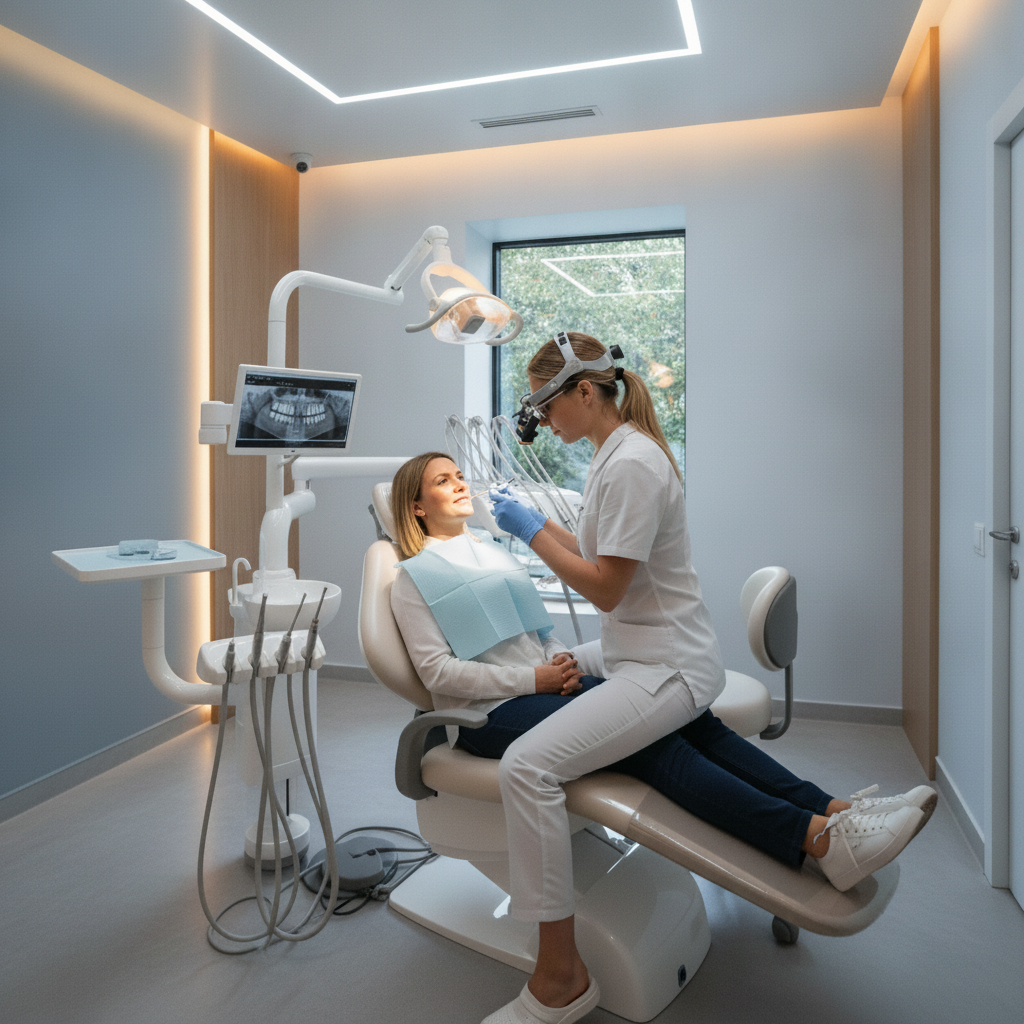
Public Healthcare System and Dental Care Coverage It is a common misconception that Switzerland’s robust public healthcare system extensively covers dental treatments. In reality, the mandatory basic health insurance (KVG/LAMal) typically covers dental care only in very specific circumstances, such as treatments necessitated by a severe general illness (e.g., certain heart conditions requiring prophylactic dental care) or as a direct consequence of an accident covered by accident insurance. For routine check-ups, fillings, crowns, orthodontics, or cosmetic procedures, patients are almost always responsible for the full cost. This fundamental aspect of Swiss healthcare highlights the importance of supplemental insurance or robust personal savings for managing dental expenses. Understanding these limitations is crucial for financial planning. For broader context on the Swiss healthcare system, Wikipedia provides a comprehensive overview: Healthcare in Switzerland.