Public vs Private Dental Care Switzerland
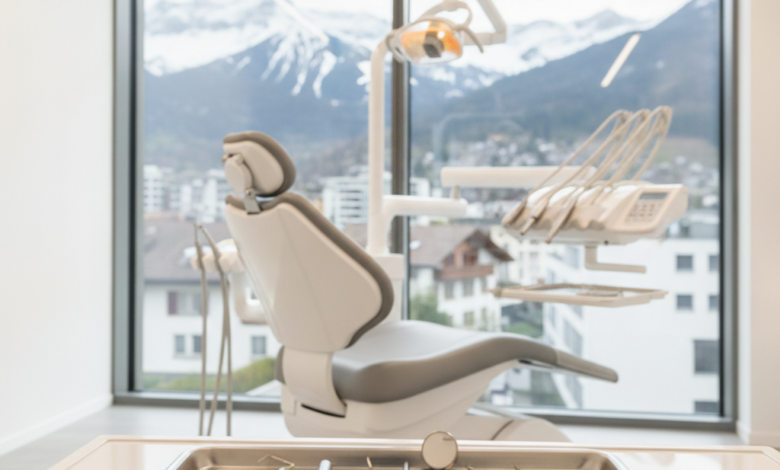
Public vs Private Dental Care Switzerland presents a critical dilemma for residents navigating the country’s renowned, yet complex, healthcare system. Switzerland is widely recognized for its high-quality medical services, and dental care is no exception. However, understanding the distinctions between the public and private dental sectors is paramount for making informed decisions about oral health, costs, and access to treatments. Unlike some other European nations where basic dental care is extensively covered by public health insurance, Switzerland operates with a distinct model, often requiring individuals to shoulder a significant portion of dental expenses, regardless of the system they choose. This guide delves into the nuances of both public and private dental care options, offering a comprehensive comparison to help residents understand their choices and potential financial implications.
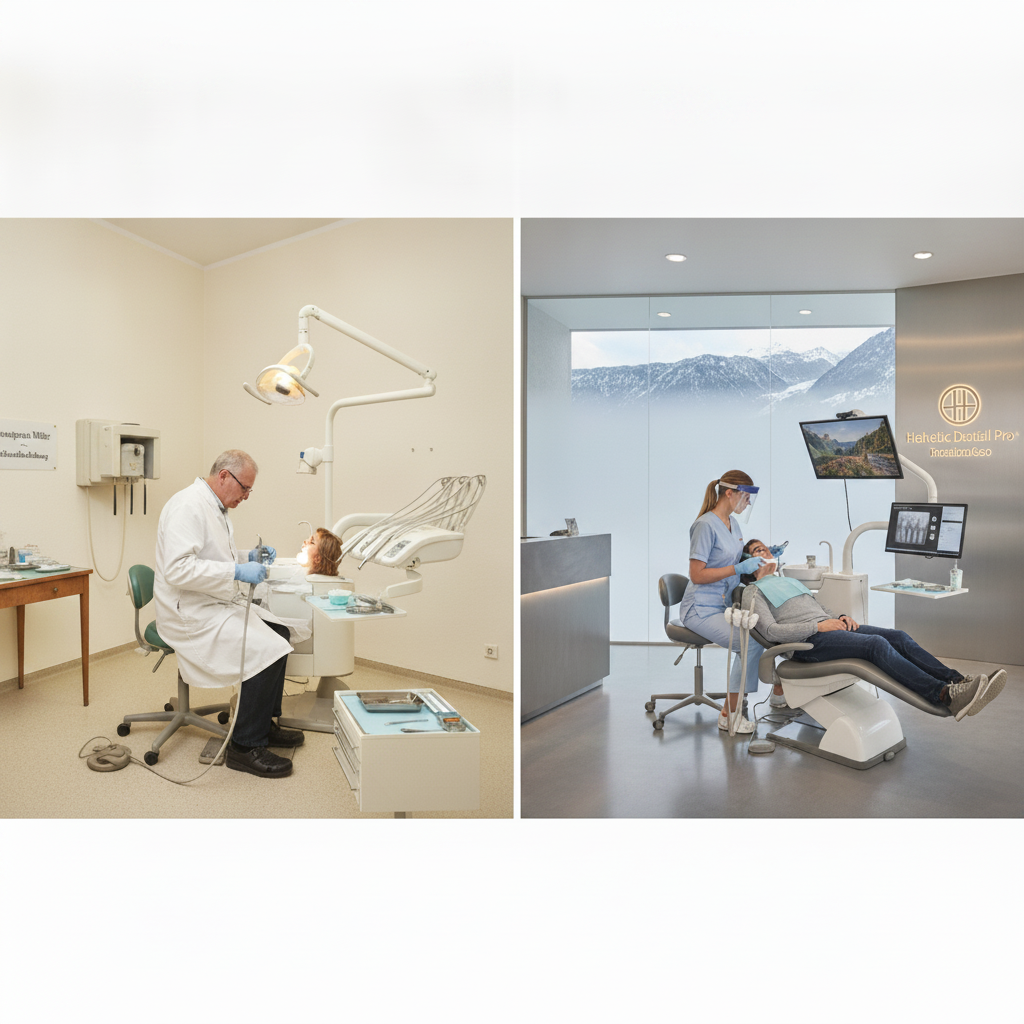
Understanding the Swiss Dental Landscape
The Swiss healthcare system is characterized by its mandatory basic health insurance (KVG/LAMal) which covers a wide range of medical services. However, dental care is largely excluded from this fundamental coverage. This structural difference sets the stage for a unique approach to dental health financing and provision. While medical emergencies are generally covered, routine check-ups, cleanings, fillings, orthodontics, and most prosthetic work typically fall outside the basic insurance’s scope. This means that for the majority of the population, dental care primarily functions outside the direct remit of public health provisions, pushing many towards private solutions or requiring significant out-of-pocket payments.
Public Dental Care: Coverage and Limitations
When discussing “public” dental care in Switzerland, it’s essential to understand that this refers to a very limited scope within the broader healthcare framework. Basic health insurance (KVG/LAMal) only covers dental treatment in specific, exceptional circumstances. These typically include:
- Serious diseases of the masticatory system (e.g., severe gum disease requiring surgical intervention due to systemic health impact).
- Dental issues resulting from a serious, non-dental illness (e.g., complications from cancer treatment affecting oral health).
- Consequences of an accident (if the dental damage is directly caused by a covered accident, often handled by accident insurance, not basic health insurance).
- Congenital anomalies (e.g., cleft lip and palate, or severe developmental dental issues).
KVG/LAMal and Dental Provisions
For the average adult, routine dental work, such as regular check-ups, preventive care, fillings, root canal treatments, extractions, and restorative procedures like crowns and bridges, are not covered by the KVG/LAMal. This often comes as a surprise to newcomers or those accustomed to more extensive public dental coverage in other countries. The primary focus of KVG/LAMal concerning dental health is strictly on cases where the dental condition is a direct result of or linked to a severe general health issue or accident, rather than primary dental disease. For a deeper understanding of what basic insurance might cover, resources like What Does KVG/LAMal Cover for Dental Care? can be very helpful.
Navigating Emergency and Basic Care
Even in emergencies, the coverage can be ambiguous. While sudden, acute pain or accidental damage might warrant immediate intervention, the subsequent restorative work often requires private payment. Children, however, sometimes benefit from canton-specific programs that provide basic dental check-ups and treatments, particularly through school dental services. These programs vary significantly by canton, emphasizing the decentralized nature of Swiss healthcare. For adults, relying solely on KVG/LAMal for dental care means expecting minimal assistance and preparing for substantial personal financial responsibility for almost all common dental needs.
Private Dental Care: Freedom and Advanced Solutions
The vast majority of dental treatments in Switzerland fall under the private sector. This means patients directly pay for services or use supplementary dental insurance to cover a portion of the costs. This system offers significant advantages, including:
- Freedom of Choice: Patients can choose any dentist, hygienist, or specialist without referral constraints, based on reputation, location, language, or specific expertise.
- Comprehensive Services: Access to a full spectrum of dental procedures, from routine cleanings and preventive care to complex restorative work, cosmetic dentistry (e.g., veneers, teeth whitening), orthodontics, and advanced surgical procedures like dental implants.
- Cutting-Edge Technology: Private clinics often invest in the latest dental technologies, such as digital X-rays, 3D imaging, laser dentistry, and CAD/CAM systems for same-day crowns, leading to more precise, efficient, and comfortable treatments.
- Patient-Centric Approach: Emphasis on individualized treatment plans, extended appointment times, comfortable clinic environments, and personalized patient care, including options for sedation for anxious patients.
The Scope of Private Treatment Options
Private dental care encompasses virtually every aspect of oral health. Whether it’s preventive measures like regular check-ups and professional cleanings, restorative treatments for cavities and damaged teeth, endodontic procedures for root canals, or complex oral surgery, the private sector caters to all these needs. Cosmetic dentistry, which is never covered by basic insurance, thrives in the private model, allowing patients to pursue aesthetic enhancements like porcelain veneers, composite bonding, and professional teeth whitening. Orthodontic treatments for both children and adults, including modern solutions like Invisalign, are also exclusively offered within the private system.
Technology and Patient-Centric Approaches
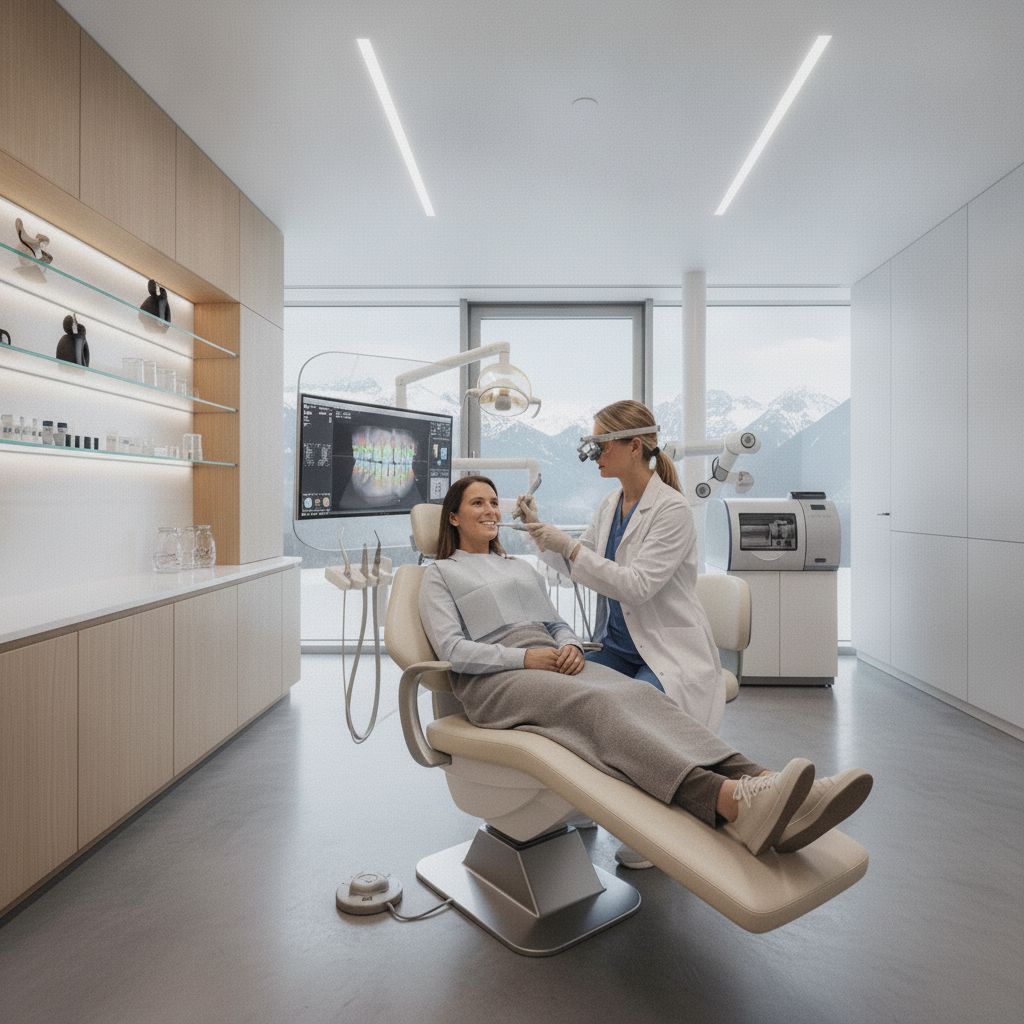
Modern private dental clinics in Switzerland are equipped with state-of-the-art technology that significantly enhances the patient experience and treatment outcomes. Digital dentistry, for instance, allows for highly accurate diagnostics and treatment planning. Technologies like intraoral scanners eliminate the need for traditional, uncomfortable impressions. Furthermore, many private practices prioritize patient comfort, offering amenities, flexible scheduling, and various sedation options to ensure a stress-free experience, particularly for individuals with dental anxiety. The focus is often on delivering not just effective treatment, but also a premium service experience.
Public vs Private Dental Care Switzerland: A Detailed Comparison
To summarize the key distinctions, the following table provides a clear comparison of the two dental care models in Switzerland:
| Feature | Public Dental Care (KVG/LAMal) | Private Dental Care |
|---|---|---|
| Coverage Scope | Very limited; only severe diseases, accidents, congenital issues, and serious systemic health links. Basic and routine care largely excluded for adults. | Comprehensive; covers all routine, preventive, restorative, cosmetic, orthodontic, and surgical procedures. |
| Dentist Choice | Limited to specific providers if covered, often institutional or pre-approved for specific conditions. | Complete freedom to choose any licensed dentist or specialist. |
| Waiting Times | Generally minimal for covered emergencies, but can be longer for specialized approved treatments. | Typically short; appointments can be scheduled according to patient convenience. |
| Treatment Options | Focus on medically necessary, cost-effective solutions. Limited aesthetic considerations. | Access to a full range of traditional and advanced treatments, including cosmetic and latest technologies. |
| Cost Structure | Co-payment and deductible apply to covered services. Significant out-of-pocket for almost all other care. | Direct payment by patient (out-of-pocket) or partial reimbursement via supplementary dental insurance. |
| Quality/Technology | Good standard for medically necessary treatments, but less emphasis on advanced tech or aesthetic options. | High standard with access to cutting-edge technology and materials; emphasis on patient comfort and aesthetic outcomes. |
| Insurance Role | Basic health insurance (KVG/LAMal) covers only highly specific, medically mandated instances. | Supplementary dental insurance can reduce out-of-pocket expenses, but is optional and varies in coverage. |
Factors to Consider When Choosing Your Dental Path
The choice between navigating the limited public provisions and opting for private dental care in Switzerland is highly individual. Several factors play a crucial role in this decision-making process:
Budgetary Implications and Supplementary Insurance
For many, cost is the primary concern. Since basic health insurance offers minimal dental coverage for adults, budgeting for dental expenses is crucial. Private dental care can be expensive, reflecting the high cost of living and specialized medical services in Switzerland. However, supplementary dental insurance plans are available from various providers. These plans can help offset the costs of private treatments, typically covering a percentage of routine, restorative, and sometimes even orthodontic or implant procedures, up to a certain annual limit. Carefully evaluating different insurance policies and their coverage limits against potential dental needs is a smart financial strategy. It is essential to understand that these supplementary insurances are separate from basic KVG/LAMal and are entirely optional.
Personal Dental Needs and Preferences
An individual’s current oral health status and future dental goals significantly influence their choice. If one has minimal dental issues and prioritizes only emergency care or basic disease-related treatments, the public system might suffice (though this is rare for ongoing needs). However, for those seeking comprehensive preventive care, cosmetic enhancements, complex restorative work, or specific specialist treatments like orthodontics or implants, the private sector is the only viable option. The desire for advanced technology, a specific dentist, or a highly personalized patient experience also points towards private care.
Strategies for Managing Dental Costs in Switzerland
Given the predominantly private nature of dental care, residents often seek ways to manage or reduce their dental expenses. Here are some effective strategies:
- Preventive Care: Regular check-ups and professional cleanings are the best investment. They help detect issues early, preventing more extensive and costly treatments down the line. Many dentists offer subscription models for preventive care.
- Supplementary Dental Insurance: As mentioned, investing in a good supplementary dental insurance plan can significantly reduce out-of-pocket costs for a wide range of treatments. Comparing various providers and their offerings is crucial to find the best fit.
- Dental Tourism: Some residents explore dental treatment options in neighboring countries or regions like Turkey, where costs might be considerably lower for procedures such as implants, crowns, and veneers, without compromising on quality. This requires careful research into clinic reputation and post-treatment care considerations.
- Payment Plans: Many private dental clinics offer installment plans or financing options for extensive treatments, making high costs more manageable over time.
- Comparison of Dentist Prices: Prices for similar treatments can vary between dentists and cantons due to different “Taxpunktwert” (tariff point values) and individual dentist fees. Obtaining quotes from several clinics for major procedures can help in finding a more economical option without sacrificing quality. Average Dentist Prices Switzerland 2026 Update provides insights into this aspect.
- Understanding Quotes: Always request a detailed written quote (Kostenvoranschlag) before extensive treatment. This allows for clear understanding of all costs involved and facilitates comparisons.
Making an Informed Choice for Your Oral Health
Navigating public vs private dental care in Switzerland requires a proactive approach and a clear understanding of the system’s unique structure. While the public health insurance (KVG/LAMal) offers minimal dental coverage for adults, primarily focusing on severe medical necessities, the private sector provides comprehensive, high-quality, and technologically advanced solutions for all other dental needs. The decision largely hinges on individual priorities regarding budget, desired level of care, and specific oral health requirements. By thoroughly researching supplementary insurance options, committing to robust preventive care, and understanding the cost structures, residents can effectively manage their dental health in Switzerland, ensuring access to the excellent care the country is known for.
The Swiss system, while excellent, places a significant onus on individual responsibility for dental costs. Therefore, an informed decision is not just about choosing a dentist, but about strategizing how best to finance and maintain optimal oral health within this framework. Understanding the specific benefits and limitations of each pathway is the first step towards securing a healthy and confident smile in Switzerland. More information on the Swiss healthcare system can be found on authoritative resources such as Wikipedia’s entry on Health care in Switzerland.