
How to Reduce Dental Costs in Switzerland
How to Reduce Dental Costs in Switzerland
Switzerland is renowned for many things: its stunning landscapes, precision engineering, and a high quality of life. However, it also has a reputation for being one of the most expensive countries globally, and dental care is no exception. Residents and expatriates often face significant out-of-pocket expenses when it comes to dental treatments, as basic health insurance generally does not cover routine dental care. Understanding this landscape is the first step towards effectively managing and reducing these costs without compromising on oral health. This comprehensive guide will explore various strategies, from preventive measures to strategic treatment planning, to help you navigate the Swiss dental system more affordably.
Understanding the Landscape of Swiss Dental Costs
The high cost of dental care in Switzerland stems from several factors. Firstly, the general cost of living and wages are higher compared to many other countries, which directly impacts the operational costs of dental practices. Secondly, dental care is largely considered a private service rather than a core component of the mandatory health insurance system. This means that, unlike medical care, most dental procedures are not reimbursed by your basic Krankenversicherung (health insurance). This puts the onus on individuals to either pay directly or opt for supplementary dental insurance, which comes with its own set of premiums and limitations. Furthermore, Swiss dentists are highly trained and utilize advanced technology and materials, contributing to the premium pricing for quality care.
Why Dental Care is Expensive in Switzerland
The Swiss healthcare system, while excellent, operates differently for dental services. Basic health insurance primarily covers treatments for diseases, accidents, and maternity. Dental care is typically only covered if it’s the result of a severe illness (e.g., a jaw tumor) or a serious accident, and even then, specific conditions apply. This contrasts sharply with many other European countries where a portion of dental costs might be covered by statutory insurance. The freedom of dentists to set their own prices within certain guidelines also contributes to the variability and overall high cost. This unique structure makes strategic planning essential for anyone looking to manage their dental expenses effectively.
Proactive Prevention: Your Best Investment
The most effective way to reduce dental costs in Switzerland, or anywhere else, is to minimize the need for extensive treatments. Prevention is not just better than cure; it’s significantly cheaper. Investing time and a small amount of money in proactive oral hygiene and regular check-ups can save thousands in future restorative or emergency procedures.
The Power of Regular Check-ups and Professional Cleanings
Visiting your dentist for routine check-ups and professional cleanings, typically once or twice a year, is paramount. During these appointments, dentists can identify potential issues like cavities, gum disease, or other oral health problems in their early stages. Addressing a small cavity with a filling is far less expensive and less invasive than waiting until it progresses into a root canal treatment or requires extraction and an implant. Professional cleanings remove plaque and tartar buildup that at-home brushing can miss, preventing gum disease and maintaining overall oral health. While these visits incur costs, they are a wise investment against more severe and costly problems down the line.
Mastering Daily Oral Hygiene for Long-Term Savings
- Brushing Twice Daily: Use a fluoride toothpaste and a soft-bristled brush, brushing for at least two minutes, covering all surfaces of your teeth and gums. Electric toothbrushes can be more effective for many.
- Flossing Daily: Flossing removes food particles and plaque from between your teeth and under the gumline, areas your toothbrush can’t reach. This is crucial for preventing interdental cavities and gum disease.
- Using Mouthwash: An antiseptic or fluoride mouthwash can provide an extra layer of protection, reducing bacteria and strengthening enamel.
- Healthy Diet: Limit sugary foods and drinks, which contribute to tooth decay. Opt for a balanced diet rich in fruits, vegetables, and calcium.
- Avoiding Tobacco: Smoking and chewing tobacco significantly increase the risk of gum disease, oral cancer, and other dental problems.
Adopting these habits diligently can dramatically reduce your need for complex and expensive dental interventions, making them a cornerstone of your cost-reduction strategy.
Navigating Swiss Dental Insurance Options
As basic health insurance offers minimal dental coverage, many residents consider supplemental dental insurance. This can be a complex decision, as policies vary widely in terms of coverage, premiums, deductibles, and waiting periods.
Evaluating Supplemental Dental Insurance Plans
Several private insurance companies in Switzerland offer supplemental dental plans. These plans typically cover a percentage of costs for various treatments, such as fillings, crowns, root canals, orthodontics, and even implants. When evaluating a plan, it’s crucial to:
- Understand the Coverage Percentage: Most plans cover 50-80% of costs, up to an annual maximum.
- Check Annual Limits: There’s often a cap on how much the insurance will pay out in a year. For extensive treatments, this limit might be easily reached.
- Be Aware of Waiting Periods: Many policies have waiting periods (e.g., 6-12 months) before certain treatments are covered, especially for more expensive procedures like orthodontics or implants. This prevents people from signing up only when they know they need major work.
- Review Exclusions: Some procedures might be excluded entirely, or only partially covered under very specific circumstances.
- Compare Premiums: The monthly or annual premium must be weighed against the potential savings.
For individuals who anticipate needing significant dental work, or those who want peace of mind, supplemental insurance can be a valuable investment. However, for those who maintain excellent oral health, the premiums might outweigh the benefits. You can find more details on this topic at Best Dental Insurance Switzerland 2026 Guide.
Decoding Coverage, Deductibles, and Waiting Periods
Understanding the jargon of insurance policies is vital. A “deductible” is the amount you must pay out-of-pocket before your insurance begins to cover costs. “Co-insurance” is the percentage of costs you are still responsible for after the deductible has been met and the insurance has paid its share. “Waiting periods” are crucial; if you need a major procedure and sign up for insurance today, you might not be covered for that procedure until the waiting period has passed. Always read the fine print and clarify any doubts with the insurance provider before committing to a plan.
Strategic Approaches to Dental Treatment Costs
Beyond prevention and insurance, there are active choices you can make when selecting a dentist or a treatment plan that can impact your final bill.
Comparing Dentists and Fee Structures
Dentist fees in Switzerland are regulated by a points system (Dentotar) where each procedure is assigned a certain number of points, and the dentist sets the “point value” (taxpunktwert). This point value can vary significantly from one canton to another, and even between dentists within the same city.
- Get Multiple Quotes: For extensive treatments, it’s advisable to get treatment plans and quotes (Kostenvoranschlag) from two or three different dentists. This allows you to compare prices and understand the scope of work proposed.
- Discuss Materials: The cost of materials (e.g., amalgam vs. composite fillings, different types of crowns) can vary. Discuss options with your dentist.
- Ask for Alternatives: Sometimes, there might be medically sound alternative treatments that are less expensive. A good dentist will discuss these options with you.
While cost is a factor, always prioritize quality and trust in your dentist. Cheap dentistry can lead to more problems and higher costs in the long run.
Exploring Dental Tourism: A Cross-Border Solution
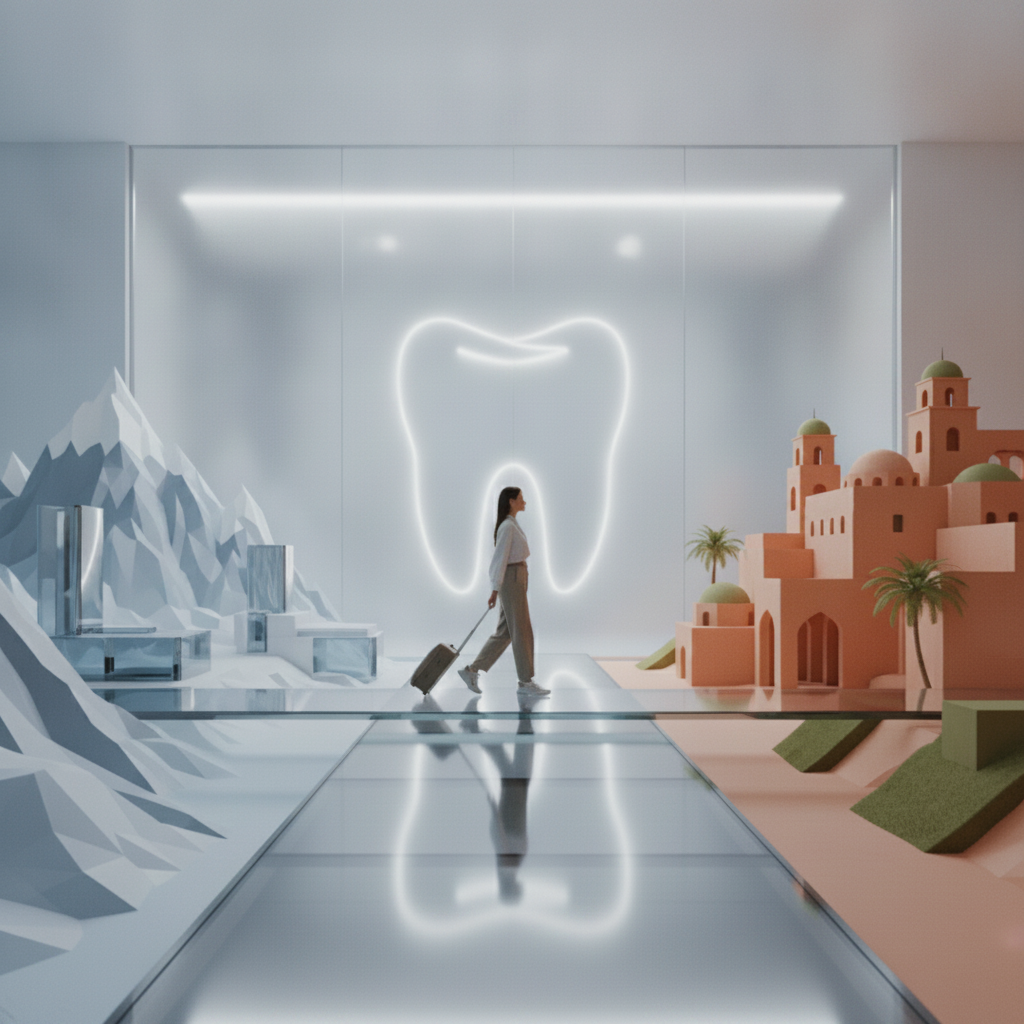
For significant dental work, many Swiss residents consider “dental tourism,” seeking treatment in neighboring countries like Germany, France, Italy, or even further afield like Turkey or Hungary, where costs can be considerably lower.
- Research Reputable Clinics: If considering this option, thoroughly research clinics abroad, checking reviews, qualifications of dentists, and standards of hygiene.
- Factor in Travel and Accommodation: Remember to include the costs of flights, accommodation, and time off work when comparing total costs.
- Consider Follow-up Care: Think about how follow-up appointments or potential complications would be managed. While initial treatment might be cheaper, long-term care could become complicated.
This strategy can offer substantial savings for major procedures like dental implants or extensive cosmetic work, but it requires careful planning and consideration of all factors involved.
University Clinics and Community Dental Services
In some Swiss cities, university dental clinics offer treatments at slightly reduced rates. These clinics are teaching hospitals where dental students, under the close supervision of experienced professors and practitioners, perform procedures. The quality of care is typically very high, as it’s subject to rigorous academic standards. Waiting times, however, might be longer, and the overall process could take more time due to the teaching environment. Some communities may also have specific public dental health services or clinics aimed at providing more affordable care, particularly for children or low-income individuals. Enquire with your local canton’s health department for available options.
How to Reduce Dental Costs in Switzerland: A Holistic Approach
Reducing dental costs requires a multi-faceted strategy. It’s not just about finding the cheapest dentist, but about making informed decisions at every stage of your oral health journey.
Maximizing Your Treatment Plan Discussions
When presented with a treatment plan, do not hesitate to ask questions.
- Clarify Necessity: Ask if all proposed procedures are immediately necessary or if some can be postponed or have alternative, less expensive options.
- Understand the Breakdown: Request a detailed breakdown of costs, including dentist fees, lab fees, and material costs.
- Inquire About Payment Options: Many clinics offer payment plans or installment options, especially for larger treatments. Discuss what works best for your financial situation.
An open and honest dialogue with your dentist is crucial for both your health and your wallet.
Financial Planning and Assistance Programs
While direct state aid for routine dental care is rare in Switzerland, there are indirect ways to manage costs:
- Emergency Fund: Build an emergency fund specifically for unexpected health or dental expenses.
- Tax Deductions: In some cantons, high medical and dental expenses that are not reimbursed by insurance might be partially tax-deductible. Consult with a tax advisor or your canton’s tax office for specifics.
- Social Welfare: Individuals in severe financial hardship might be eligible for assistance from social welfare programs, but this is typically reserved for extreme cases and essential treatments.
| Strategy | Description | Potential Savings | Key Considerations |
|---|---|---|---|
| Proactive Prevention | Regular check-ups, cleanings, excellent daily hygiene. | Significant long-term savings by avoiding major treatments. | Requires consistent effort and small upfront costs for check-ups. |
| Supplemental Insurance | Private insurance for partial coverage of dental treatments. | Can cover 50-80% of costs up to an annual maximum. | High premiums, waiting periods, annual limits, exclusions. |
| Comparing Dentists | Obtaining multiple quotes and discussing treatment options. | Varies by dentist’s point value (Taxpunktwert) and material choices. | Prioritize quality over lowest price; ensure clear communication. |
| Dental Tourism | Seeking treatment in countries with lower dental costs. | Potentially very high savings for major procedures (e.g., 50-70%). | Travel costs, logistics, follow-up care, research required. |
| University Clinics | Treatment at dental schools under supervision. | Often slightly reduced rates. | Potentially longer waiting times and treatment duration. |
| Negotiating Payment Plans | Arranging installments with your dental clinic. | Manages cash flow, avoids large lump sums. | No direct cost reduction, but eases financial burden. |
While dental care costs in Switzerland can be daunting, a combination of diligent prevention, informed choices about insurance, strategic selection of providers, and careful financial planning can significantly mitigate the burden. By being proactive and understanding the options available, you can maintain excellent oral health without breaking the bank. Switzerland’s commitment to high quality extends to its dental care, and by employing these strategies, you can access that quality while keeping expenses manageable. Understanding the overall context of healthcare in Switzerland, as outlined by Wikipedia, helps in appreciating the specific challenges and opportunities within the dental sector.

One Comment