Dental Bridges vs Implants Switzerland
Dental Bridges vs Implants Switzerland: Navigating Your Tooth Replacement Options
Losing a tooth can significantly impact your oral health, chewing ability, and self-confidence. Fortunately, modern dentistry offers highly effective solutions to restore your smile and functionality. In Switzerland, where dental care standards are exceptionally high, two of the most prominent and reliable options for replacing missing teeth are dental bridges and dental implants. Deciding between these two can be complex, as each presents unique advantages, considerations, and suitability for different patient needs. This comprehensive guide aims to thoroughly explore both procedures, providing clarity on their differences, benefits, and potential drawbacks to help you make an informed decision for your oral health journey in Switzerland.
Understanding Dental Bridges: A Reliable Solution
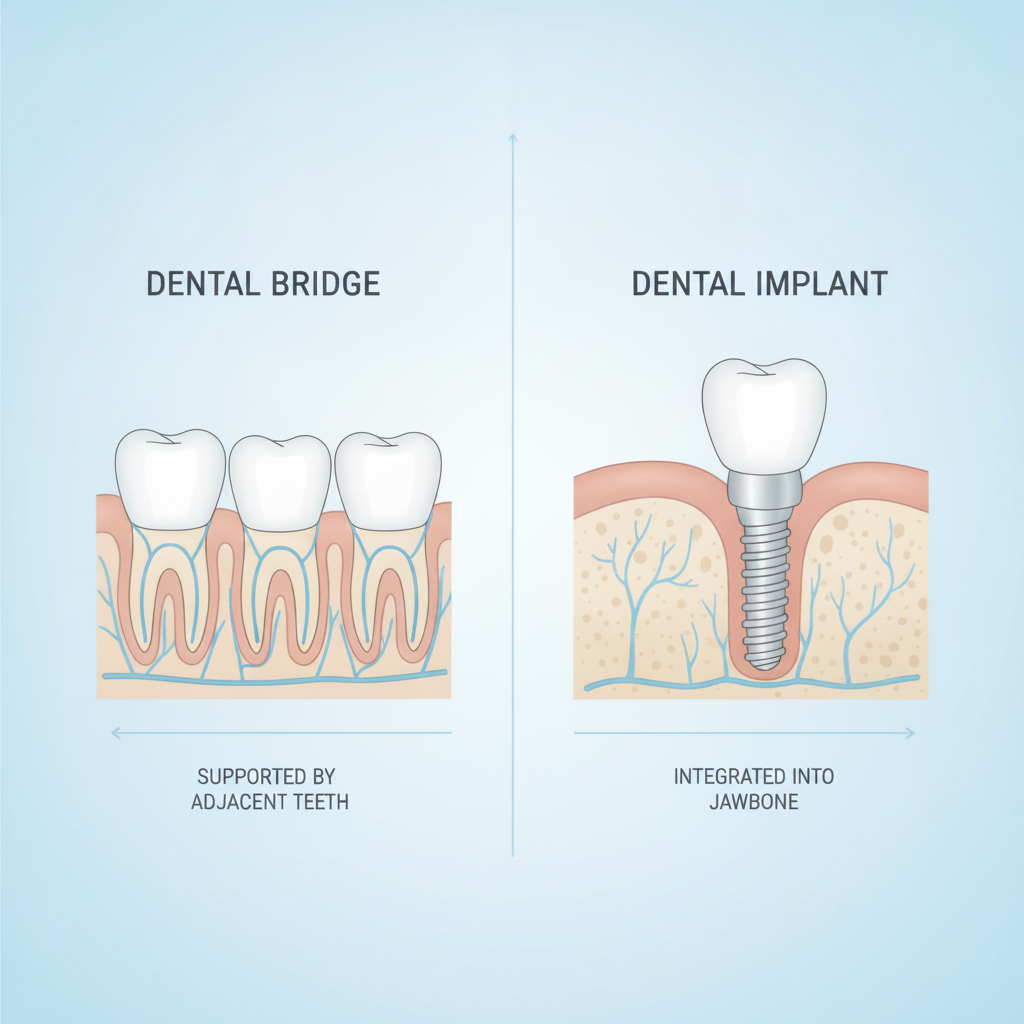
Dental bridges have been a cornerstone of restorative dentistry for decades, offering a proven method to replace one or more missing teeth. A dental bridge, as its name suggests, “bridges” the gap created by missing teeth. It consists of one or more artificial teeth (pontics) held in place by dental crowns cemented onto the natural teeth or implants on either side of the gap. These supporting teeth are known as abutment teeth.
What is a Dental Bridge?
A dental bridge is a fixed prosthetic device designed to replace missing teeth. It typically comprises three main components:
- Pontics: The artificial teeth that fill the gap. These are usually made from porcelain, metal alloys, or a combination (porcelain-fused-to-metal) for durability and aesthetics.
- Abutment Crowns: These are caps placed over the natural teeth adjacent to the gap. These natural teeth must be healthy and strong enough to support the bridge. For a bridge supported by implants, the crowns are placed over the implants.
There are several types of dental bridges:
- Traditional Bridge: The most common type, involving crowns on two abutment teeth on either side of the missing tooth/teeth.
- Cantilever Bridge: Used when there are adjacent teeth on only one side of the missing tooth. This type is less common and generally not recommended for the back of the mouth where strong biting forces are present, due to potential for leverage and damage.
- Maryland Bonded Bridge (Resin-Bonded Bridge): Consists of a pontic with metal or porcelain wings on each side. These wings are bonded to the back of existing adjacent teeth, requiring minimal preparation of the abutment teeth. It is less invasive but typically less strong than a traditional bridge.
- Implant-Supported Bridge: Utilizes dental implants instead of natural teeth as abutments. This is an excellent option when more than one tooth is missing, and natural abutment teeth are either not strong enough or not present.
The Dental Bridge Procedure Explained
The process of getting a dental bridge usually involves two to three appointments.
- First Appointment: The dentist prepares the abutment teeth. This involves reshaping them by removing a portion of enamel to make space for the crowns. Impressions of your teeth are then taken to create a precise model for the bridge. A temporary bridge might be placed to protect the prepared teeth and gums while the permanent bridge is fabricated in a dental laboratory.
- Second Appointment (or Third): Once the permanent bridge is ready, you return to the dentist. The temporary bridge is removed, and the new bridge is carefully checked for fit, bite, and aesthetics. Adjustments may be made to ensure comfort and proper alignment. If everything is satisfactory, the bridge is permanently cemented into place.
Advantages and Considerations of Dental Bridges
Dental bridges offer several compelling benefits:
- Relatively Quick Treatment: The entire process can often be completed within a few weeks.
- Cost-Effective (Initially): Generally, bridges tend to have a lower upfront cost compared to dental implants, particularly for replacing a single tooth.
- Non-Surgical: For traditional bridges, no surgical procedure is involved, which can be appealing to patients who prefer to avoid surgery.
- Aesthetic Restoration: Bridges provide a natural-looking replacement, improving the appearance of your smile and ability to chew and speak properly.
However, there are also considerations:
- Abutment Tooth Preparation: Healthy adjacent teeth must be altered to support the bridge, which can potentially weaken them over time.
- Bone Loss: Unlike implants, bridges do not stimulate the jawbone where the tooth is missing, which can lead to bone resorption over time, potentially affecting the facial structure.
- Longevity: While durable, bridges typically last 5-15 years before needing replacement, depending on oral hygiene and care.
- Cleaning Challenges: Special flossing techniques and tools are required to clean under the pontic to prevent plaque buildup and gum disease.
The Rise of Dental Implants: Modern Tooth Replacement
Dental implants are widely considered the gold standard for tooth replacement due to their remarkable resemblance to natural teeth and their long-term benefits for oral health. Unlike bridges, which rely on adjacent teeth, implants are self-supporting and integrate directly with the jawbone.
What is a Dental Implant and How Does It Work?
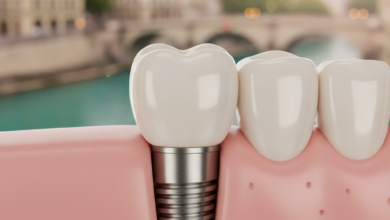
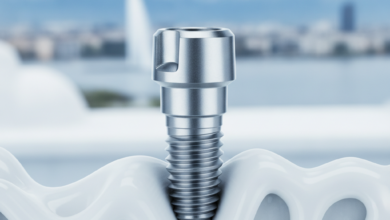
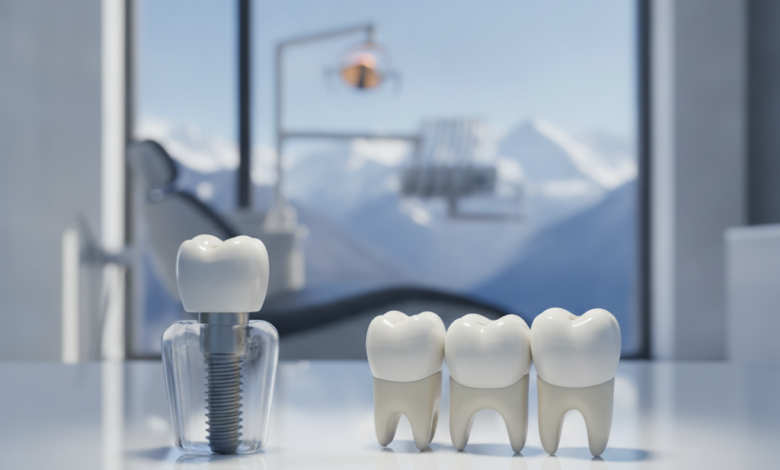
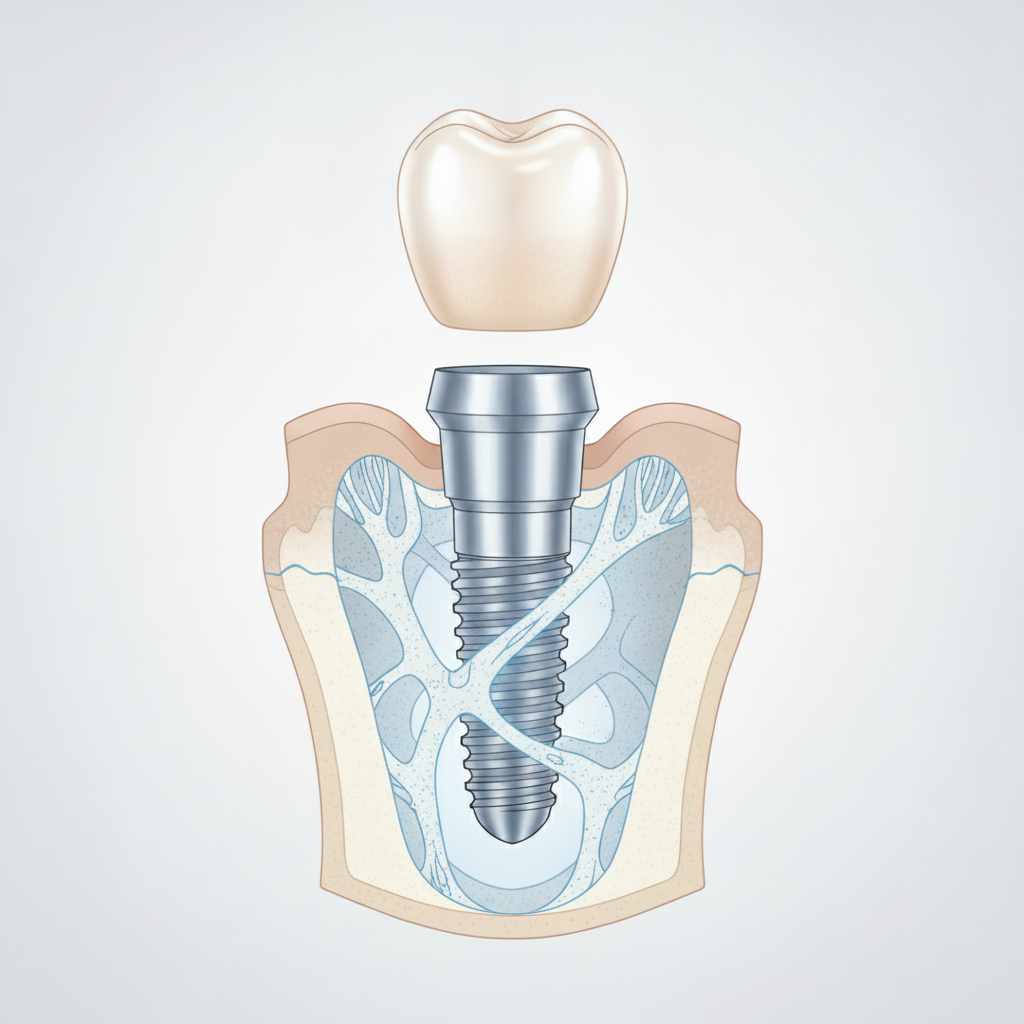
A dental implant is a small, screw-shaped post, typically made of titanium, surgically placed into the jawbone beneath the gum line. This acts as an artificial tooth root. After placement, a process called osseointegration occurs, where the implant fuses with the surrounding bone over several months. Once integrated, an abutment (a connector piece) is attached to the implant, and a custom-made crown is then placed on top of the abutment. Implants can replace a single tooth, multiple teeth (with implant-supported bridges), or even an entire arch of teeth (e.g., All-on-4 or All-on-6 techniques).
The Dental Implant Procedure in Detail
The dental implant procedure is more extensive than that for a bridge and typically involves several stages over several months.
- Initial Consultation and Planning: This involves a thorough examination, including X-rays and 3D scans, to assess your oral health, jawbone density, and suitability for implants. A detailed treatment plan is then developed.
- Implant Placement Surgery: The titanium implant post is surgically inserted into the jawbone. This is usually an outpatient procedure performed under local anesthesia, sometimes with sedation. After placement, the gum tissue is closed over the implant, and a healing period begins. You can learn more about this process at our detailed guide on dental implant procedure Switzerland step-by-step.
- Osseointegration (Healing Period): This crucial phase takes 3-6 months, during which the implant fuses with the jawbone. This provides a strong, stable foundation for the new tooth. During this time, a temporary prosthetic might be worn.
- Abutment Placement: Once osseointegration is complete, a minor surgical procedure might be needed to expose the top of the implant and attach the abutment, which extends through the gum line.
- Crown Placement: Impressions are taken to create your custom crown, which is then attached to the abutment. The crown is matched in color, shape, and size to your natural teeth for a seamless look.
In some cases, a bone graft may be necessary before implant placement if there isn’t sufficient jawbone density.
Benefits and Potential Drawbacks of Dental Implants
Dental implants offer numerous significant advantages:
- Preserves Natural Teeth: Unlike bridges, implants do not require altering adjacent healthy teeth.
- Prevents Bone Loss: The implant stimulates the jawbone, preventing the bone resorption that typically occurs after tooth loss, thus preserving facial structure.
- Exceptional Longevity: With proper care, dental implants can last a lifetime, often making them a more cost-effective solution in the long run despite a higher initial investment.
- Superior Aesthetics and Functionality: Implants look, feel, and function almost identically to natural teeth, offering excellent stability for chewing and speaking.
- Easy Maintenance: You clean implants just like natural teeth, with regular brushing and flossing.
Potential drawbacks include:
- Higher Initial Cost: Dental implants typically have a higher upfront cost than bridges.
- Surgical Procedure: Implants require surgery, which carries the usual risks associated with any surgical procedure.
- Longer Treatment Time: The entire process, including healing, can take several months.
- Not Suitable for Everyone: Patients must have sufficient bone density and be in good general health to be candidates for implants. Smoking, certain medical conditions, and medications can affect success rates.
Dental Bridges vs Implants Switzerland: Key Differences
When comparing dental bridges and implants in the Swiss context, several critical differences emerge that influence patient choice. Understanding these distinctions is crucial for making the best decision for your oral health.
Longevity, Aesthetics, and Oral Health Impact
The lifespan of a dental implant far exceeds that of a traditional bridge. While a bridge might need replacement after 5-15 years, a well-maintained implant can last a lifetime. This long-term durability is a major factor in the overall value proposition of implants. Aesthetically, both can provide excellent results, but implants often offer a more natural look and feel because they emerge directly from the gum line like a natural tooth. Critically, implants are unique in their ability to preserve jawbone health, actively preventing the bone loss that can occur when a tooth’s root is absent. Bridges, while replacing the visible tooth, do not address this underlying bone health issue.
Cost and Treatment Duration Comparison
The initial cost of a dental implant is generally higher than that of a traditional dental bridge. This difference often stems from the surgical component and the specialized materials and expertise involved in implant placement and restoration. However, when considering the long-term, including potential replacement costs for bridges, implants can prove to be more economical over several decades. The treatment duration for an implant is significantly longer, typically spanning several months due to the osseointegration period. A dental bridge, on the other hand, can usually be completed in a few weeks, making it a faster solution for those prioritizing speed.
| Feature | Dental Bridge | Dental Implant |
|---|---|---|
| Mechanism | Pontic supported by crowns on adjacent teeth (or implants) | Titanium post surgically placed in jawbone, topped with abutment and crown |
| Impact on Adjacent Teeth | Requires preparation (shaping) of healthy adjacent teeth | Does not affect adjacent healthy teeth |
| Bone Health Preservation | Does not stimulate jawbone; bone loss can occur over time | Stimulates jawbone, preventing bone loss and preserving facial structure |
| Longevity | Typically 5-15 years; may need replacement | Potentially a lifetime with proper care |
| Aesthetics & Feel | Good aesthetics, may feel slightly different than natural tooth | Excellent aesthetics and feel, almost identical to natural tooth |
| Maintenance | Requires special cleaning under the pontic | Cleaned like natural teeth (brushing, flossing) |
| Treatment Time | Generally 2-3 weeks | Several months (due to osseointegration) |
| Cost (Initial) | Generally lower upfront cost | Generally higher upfront cost |
| Surgical Involvement | No surgery for traditional bridges (unless implant-supported) | Requires surgical placement of the implant post |
Making the Right Choice: Factors for Patients in Switzerland
Choosing between a dental bridge and an implant is a highly personal decision, influenced by various individual factors. Considering these elements with your dental professional is key to selecting the most suitable option for your unique circumstances.
Assessing Your Oral Health and Bone Structure
The state of your overall oral health and the quality of your jawbone are critical determinants. For dental implants, sufficient bone density is paramount for successful osseointegration. If bone loss has occurred, a bone grafting procedure might be necessary, adding to the treatment time and cost. For bridges, the health and strength of the adjacent teeth are crucial, as they will bear the load of the bridge. Patients with gum disease or compromised immune systems may face higher risks with surgical procedures like implant placement.
The Role of a Qualified Dental Professional
In Switzerland, you have access to highly skilled and experienced dental professionals. A comprehensive consultation with a qualified dentist is indispensable. They will conduct a thorough examination, including advanced imaging (X-rays, CT scans), to assess your specific situation. They will consider the number and location of missing teeth, the condition of your remaining teeth and gums, your overall health, and your aesthetic goals. Based on this detailed assessment, your dentist can provide personalized recommendations, explaining the pros and cons of each option specifically for you, including discussions on the long-term outlook and expected costs.
Ultimately, both dental bridges and implants offer excellent solutions for tooth replacement in Switzerland. While bridges provide a faster, often less expensive initial fix that is non-surgical, implants offer superior longevity, bone preservation, and a natural feel that mimics your original tooth. The decision should always be made in close consultation with your dental care provider, who can guide you through the complexities and help you weigh all factors to achieve the best possible outcome for your dental health and quality of life. For more detailed information, reputable sources like Wikipedia’s entry on Dental Implants provide a comprehensive overview of the science and procedure.