Is Dental Insurance Worth It in Switzerland?
Is Dental Insurance Worth It in Switzerland?
Switzerland is renowned for its high quality of life, breathtaking landscapes, and an excellent, albeit expensive, healthcare system. However, when it comes to dental care, many residents are surprised to learn that routine treatments are generally not covered by the mandatory basic health insurance (KVG/LAMal).
This often leaves individuals facing substantial out-of-pocket costs for everything from regular check-ups and cleanings to more complex procedures like fillings, root canals, and dental implants. The question then naturally arises: given these circumstances, is dental insurance worth it in Switzerland? Understanding the intricacies of the Swiss dental care landscape and the various insurance options available is crucial for making an informed financial decision.

Understanding Dental Costs in Switzerland
The cost of dental treatment in Switzerland is among the highest in the world. This is due to a combination of factors, including high operating costs for clinics, advanced technology, highly skilled professionals, and a less regulated pricing structure compared to basic medical services. Even a routine dental check-up and cleaning can cost several hundred Swiss francs, while more involved procedures like a single filling can easily exceed CHF 300-500. Major treatments such as crowns, bridges, or dental implants can run into thousands of francs, potentially creating a significant financial burden for individuals and families without adequate coverage. For instance, a dental implant in Switzerland, including the crown, can range from CHF 3,000 to CHF 7,000 or more per tooth. Orthodontic treatments for children or adults can accumulate costs well into five figures.
The stark reality is that the basic compulsory health insurance (KVG/LAMal) covers dental care only in very specific, limited circumstances, primarily when a dental issue is caused by a serious illness not related to chewing function, or by an accident that is not covered by accident insurance (which is usually part of employment benefits). This means that for the vast majority of dental needs, including preventive care, restorative treatments for cavities, gum disease, and cosmetic procedures, individuals are expected to pay the full cost themselves. This fundamental aspect of the Swiss healthcare system drives many residents to consider supplementary dental insurance.
Types of Dental Insurance in Switzerland
Since basic health insurance offers minimal dental coverage, supplementary dental insurance (Zusatzversicherung Zahn) becomes the primary avenue for mitigating these high costs. These policies are offered by various private health insurance companies and are not mandatory. They operate on a contractual basis, meaning the terms, premiums, and benefits can vary significantly between providers.
Supplementary dental insurance plans typically cover a percentage of dental costs, up to an annual maximum limit. The coverage generally includes:
- **Preventive care:** Regular check-ups, professional teeth cleanings, fluoride treatments, and dental X-rays. Many plans offer higher reimbursement rates for preventive services to encourage good oral hygiene.
- **Restorative treatments:** Fillings (amalgam, composite), inlays, onlays, and root canal treatments.
- **Periodontal treatments:** Procedures for gum disease.
- **Oral surgery:** Tooth extractions, wisdom tooth removal.
- **Orthodontics:** Braces, clear aligners (like Invisalign). Coverage for orthodontics is often subject to stricter conditions, lower reimbursement percentages, higher deductibles, and longer waiting periods, particularly for adults.
- **Prosthetics:** Crowns, bridges, dentures, and dental implants. These are typically the most expensive procedures, and insurance coverage might be limited or require a significant co-payment.
- **Emergency dental care:** Treatment for acute pain or injuries, often including coverage abroad.
It is crucial to note that most supplementary dental insurance policies come with waiting periods, typically ranging from a few months to several years, especially for more expensive treatments like orthodontics or implants. This means you cannot immediately claim benefits for these procedures after signing up. Additionally, pre-existing conditions or treatments that have already begun are usually excluded from coverage. Some plans may also require a pre-treatment cost estimate (Kostenvoranschlag) to be submitted for approval before treatment commences, especially for procedures exceeding a certain cost threshold.
Is Dental Insurance Worth It in Switzerland?
The question of whether dental insurance is a worthwhile investment in Switzerland depends heavily on individual circumstances, dental health, and financial planning. For some, it offers invaluable peace of mind and financial protection, while for others, the premiums might outweigh the benefits. Let’s delve into the factors that make it beneficial and those that might suggest otherwise.
Advantages of Dental Insurance in Switzerland
- **Financial Protection Against High Costs:** The most compelling argument for dental insurance is protection against the exorbitant cost of dental care. A single unexpected crown or root canal can easily cost several thousand francs. For those who anticipate needing extensive dental work or who have a history of dental issues, insurance can significantly reduce out-of-pocket expenses.
- **Encourages Preventive Care:** Many plans offer high reimbursement rates for preventive services like cleanings and check-ups. This incentivizes regular dental visits, which are crucial for maintaining oral health and preventing more serious, expensive problems down the line.
- **Budgeting and Predictability:** With dental insurance, you pay a predictable monthly or annual premium, making it easier to budget for potential dental costs rather than facing large, unpredictable bills.
- **Access to Necessary Treatments:** Without insurance, some individuals might delay or forego necessary dental treatments due to cost, leading to worsening conditions and potentially more expensive interventions in the future. Insurance can help ensure access to timely care.
- **Orthodontic Coverage (especially for children):** For families with children who may require orthodontics, a good dental insurance plan can cover a substantial portion of these very high costs, which can otherwise be a major financial strain.
Disadvantages and Considerations
- **Premiums vs. Usage:** For individuals with excellent dental health who only require basic preventive care, the annual premiums might sometimes exceed the cost of their actual treatments. It’s a calculation of risk vs. reward.
- **Waiting Periods and Exclusions:** The waiting periods for major treatments can be a significant drawback. If you need a crown or implant soon after purchasing a policy, you might not be covered. Pre-existing conditions are also typically excluded.
- **Limited Coverage and Annual Caps:** Most plans do not offer 100% coverage and come with annual maximum reimbursement limits (e.g., CHF 1,000-5,000 per year). For very extensive work, you will still have significant out-of-pocket expenses.
- **Benefit Limitations for Expensive Procedures:** Coverage for high-cost treatments like implants or orthodontics is often lower (e.g., 50-75%) and subject to higher deductibles or co-payments.
- **Complexity of Plans:** Navigating the various plans, their coverage percentages, annual limits, waiting periods, and exclusions can be complex and time-consuming.
Factors to Consider When Choosing Dental Insurance
To determine if dental insurance is worth it in Switzerland for you, consider the following:
- **Current Dental Health:** If you have a history of cavities, gum disease, or anticipate needing major work (e.g., implants, orthodontics), insurance is more likely to be beneficial. If your dental health is consistently good, the financial advantage might be less clear.
- **Age and Family Situation:** Older individuals often require more dental work. Families with children are more likely to benefit due to potential orthodontic needs.
- **Budget:** Can you comfortably afford the monthly premiums? Would you be able to cover a sudden large dental bill if you didn’t have insurance?
- **Desired Coverage Level:** What treatments are you most concerned about covering? Ensure the plan you choose aligns with your anticipated needs.
- **Prevention vs. Treatment:** A plan that heavily favors preventive care can be a smart investment in the long run, even if you currently have good dental health.
| Feature | Basic Health Insurance (KVG/LAMal) | Supplementary Dental Insurance |
|---|---|---|
| **Coverage Scope** | Limited to severe illness (non-chewing related) or accidents not covered by accident insurance. | Broad coverage for preventive, restorative, periodontal, oral surgery, orthodontics, and prosthetics. |
| **Mandatory** | Yes, for all residents. | No, voluntary. |
| **Cost of Premiums** | Mandatory monthly premiums (CHF 250-500+). | Additional monthly premiums (CHF 10-100+ depending on age, coverage). |
| **Reimbursement** | High (after deductible/franchise) for covered cases. | Typically 50-90% of costs, up to an annual maximum. |
| **Waiting Periods** | None for covered cases. | Common, especially for major treatments (3 months to several years). |
| **Pre-existing Conditions** | Generally covered if within scope. | Usually excluded. |
| **Annual Limits** | No specific annual limits for covered cases. | Strict annual maximums (e.g., CHF 1,000-5,000). |
Alternatives to Swiss Dental Insurance
- **Self-Funding/Savings Plan:** For those with consistently good dental health, setting aside a dedicated amount each month into a savings account for potential dental expenses might be more cost-effective than paying premiums. This strategy works best for individuals who are disciplined savers and have low dental needs.
- **Dental Tourism:** A growing number of Swiss residents travel abroad for dental work, particularly to countries where dental treatment costs are significantly lower. Popular destinations include neighboring countries like Germany or Austria, or further afield to countries like Turkey or Hungary. This option can lead to substantial savings, especially for major procedures like dental implants, veneers, or full mouth restorations. However, it requires careful research into clinic quality, guarantees, and travel logistics.
- **University Dental Clinics:** In some Swiss cities, university dental clinics (e.g., in Zurich, Bern, Geneva) may offer treatments at slightly reduced rates, as they are teaching institutions. The quality of care is typically very high, supervised by experienced professionals, but wait times might be longer.
Making an Informed Decision
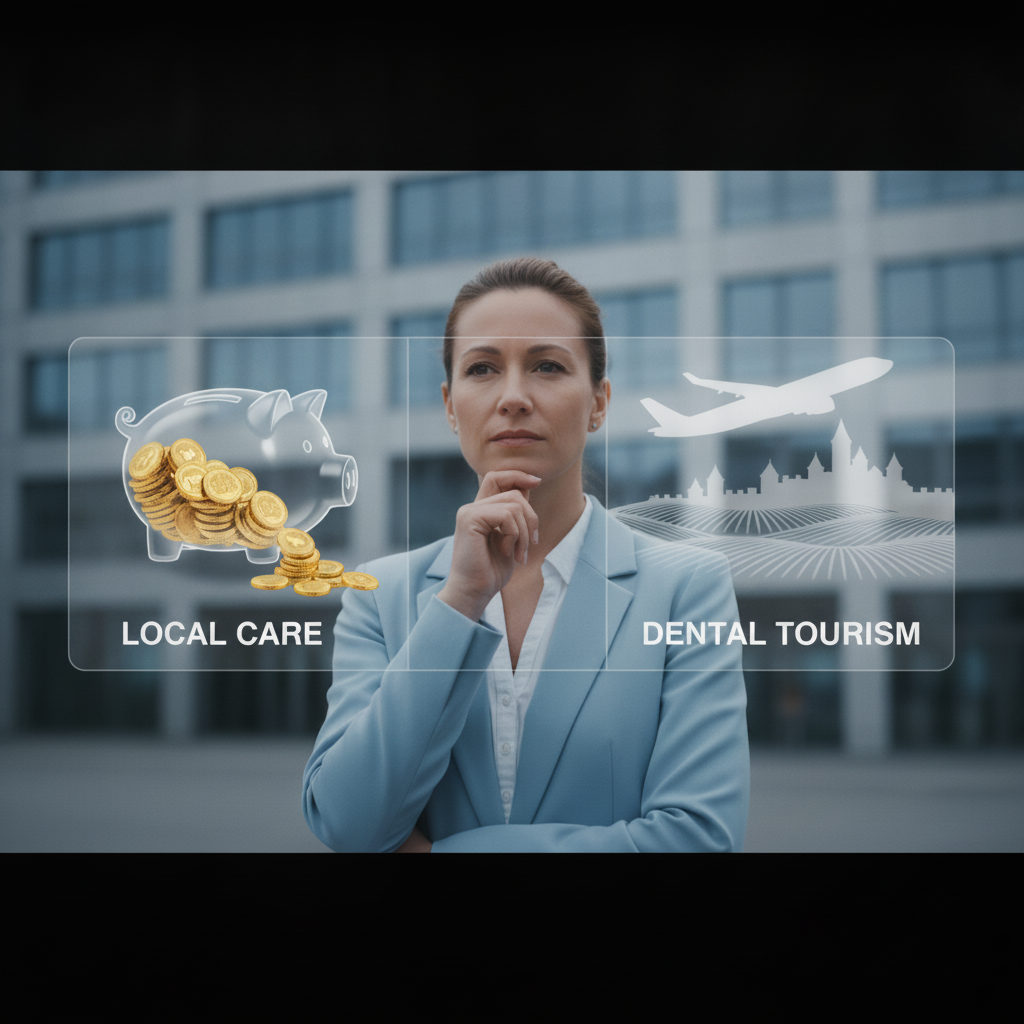
However, if your dental health is robust, you meticulously care for your teeth, and you are willing to self-fund minor expenses, a dedicated savings plan might prove more economical. For those considering major, expensive treatments, exploring dental tourism options could offer significant savings, even when accounting for travel and accommodation.
Ultimately, comparing various insurance plans from different providers is essential. Pay close attention to premiums, coverage percentages for different types of treatment, annual maximum limits, waiting periods, and any exclusions for pre-existing conditions. Reading the fine print and understanding exactly what a policy covers – and what it doesn’t – is paramount to ensuring that your chosen dental insurance plan truly delivers value and protection in the unique Swiss healthcare landscape. Being proactive about your oral health, regardless of your insurance decision, remains the most important step in controlling dental costs and maintaining a healthy smile. For further details on the Swiss healthcare system, a comprehensive overview can be found on Wikipedia.