How to Save Money on Dental Care Switzerland
For more detailed information on general costs, you can also explore resources like What Does a Dentist Cost in Switzerland? A Complete Price Guide 2026.

How to Save Money on Dental Care Switzerland
Switzerland is renowned globally for its exceptional quality of life, stunning landscapes, and efficient services. However, this premium standard often comes with a significant price tag, particularly when it comes to healthcare. Dental care is no exception, and many residents and expatriates find themselves facing substantial costs for routine check-ups, preventative treatments, and more complex procedures. Understanding the nuances of the Swiss dental system and exploring various cost-saving strategies is crucial for maintaining optimal oral health without breaking the bank. This comprehensive guide will delve into the reasons behind high dental costs in Switzerland and, more importantly, equip you with actionable strategies to save money effectively, ensuring your smile remains healthy and your wallet happier.
Understanding the High Costs of Dental Care in Switzerland
The perception of expensive dental care in Switzerland is not without foundation. Several factors contribute to these elevated costs, making it essential to understand the landscape before seeking solutions. Primarily, the high cost of living, including labor, rent, and operational expenses for clinics, directly impacts service charges. Swiss dentists are highly trained and often utilize state-of-the-art technology and materials, which also contribute to the overall price. Unlike general medical care, basic dental treatments are generally not covered by mandatory health insurance (KVG/LAMal) in Switzerland. This means that individuals are typically responsible for the full cost of most dental procedures out-of-pocket, unless they have supplementary dental insurance. This out-of-pocket burden highlights the necessity for strategic planning to manage expenses.
Private vs. Public Dental Care: What’s the Difference for Your Wallet?
In Switzerland, the dental care system is predominantly private. This means dentists operate as independent practitioners, setting their own fee schedules within certain guidelines. There isn’t a robust “public” dental care system that offers significantly subsidized services for adults, unlike in some other European countries. While there are some canton-specific programs for children’s dental health and emergency services, adult dental care largely falls under private responsibility. This private model fosters high competition among practitioners based on quality and specialist services, but it also means that price transparency and cost comparison become vital tools for patients. Understanding that you are primarily navigating a private market allows you to approach your dental care decisions with a consumer mindset, actively seeking the best value.
Strategies to Save Money on Dental Care Switzerland
Navigating the Swiss dental market requires a proactive approach. Fortunately, several effective strategies can help mitigate the financial burden while ensuring you receive the necessary care. From insurance plans to cross-border options, being informed is your best defense against unexpected high bills.
Leveraging Dental Insurance and Supplementary Plans
While basic Swiss health insurance doesn’t cover routine dental care, supplementary dental insurance (Zahnzusatzversicherung) is available from various providers. These plans can significantly reduce your out-of-pocket expenses, especially for major treatments like orthodontics, implants, or extensive restorative work. However, it’s crucial to understand the terms:
- Waiting Periods: Most plans have waiting periods (often 6-12 months) before certain benefits become active.
- Coverage Limits: There are usually annual maximums or percentage limits on coverage for different types of treatments.
- Pre-existing Conditions: Some plans may not cover pre-existing dental conditions or might have higher premiums.
- Premium Costs: The monthly premiums vary widely based on age, desired coverage, and provider.
It is advisable to research different plans, compare their benefits and costs, and consider your anticipated dental needs. For those who foresee needing significant dental work, investing in a good supplementary plan can lead to substantial long-term savings. Always get detailed quotes and understand exactly what is covered before committing.
Preventive Care: Your First Line of Defense
The adage “prevention is better than cure” holds immense truth, especially in dental care. Regular preventative measures are arguably the most effective way to save money on dental care in Switzerland.
- Routine Check-ups and Cleanings: Scheduling professional dental cleanings and check-ups at least once a year, or twice if recommended, can prevent minor issues from escalating into costly problems. Early detection of cavities, gum disease, or other oral health concerns allows for simpler, less expensive treatment.
- Excellent Oral Hygiene at Home: Diligent brushing, flossing, and using mouthwash daily are fundamental. These habits drastically reduce the risk of cavities, gingivitis, and periodontitis, which can require extensive and expensive interventions if left untreated.
- Healthy Diet: Reducing sugar intake and maintaining a balanced diet strengthens teeth and gums, further minimizing the risk of decay.
Investing time and a relatively small amount in preventive care can save you thousands in restorative procedures down the line.
Seeking Treatment Abroad: Dental Tourism
For many Swiss residents, particularly those requiring extensive or cosmetic dental work, dental tourism has become an increasingly popular and financially savvy option. Countries like Turkey, Hungary, and Poland offer high-quality dental services at a fraction of the cost found in Switzerland.
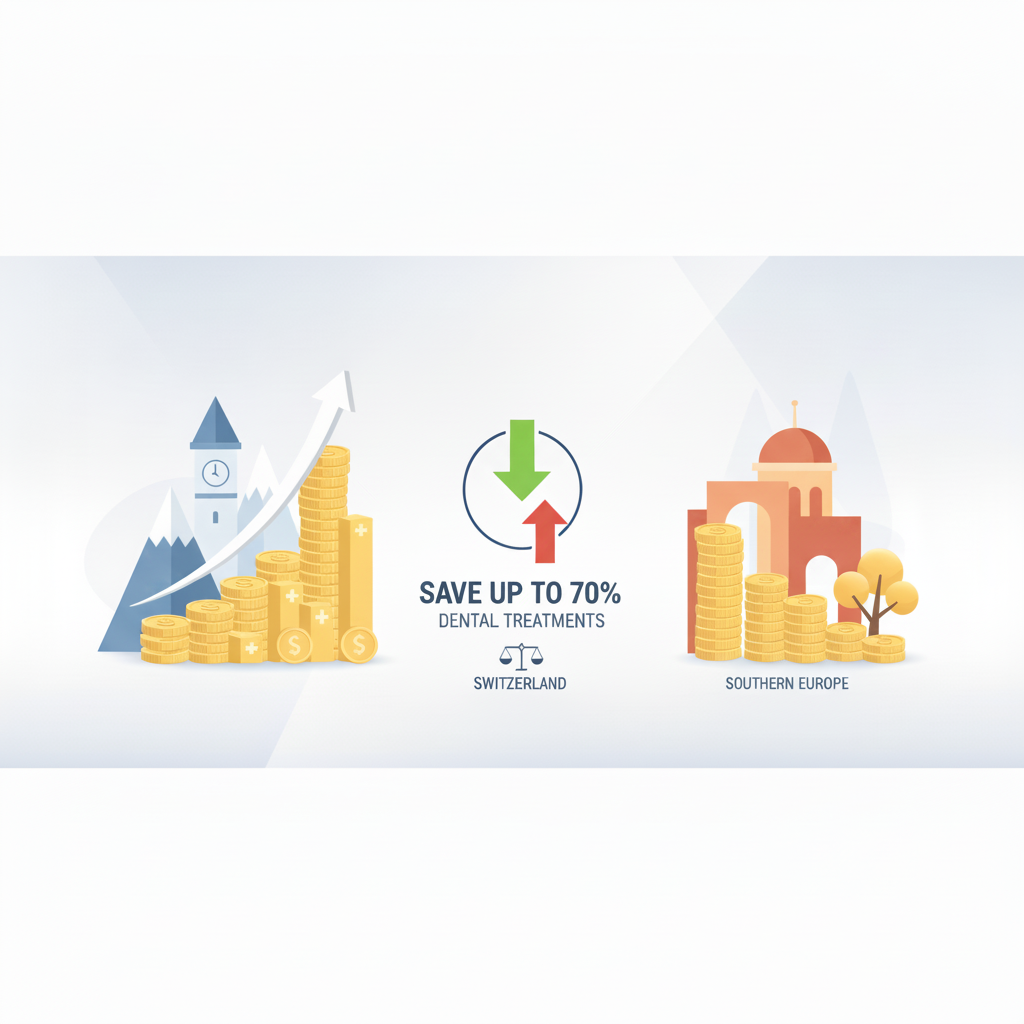
- Cost Savings: The primary driver for dental tourism is significant cost savings, often ranging from 50% to 70% compared to Swiss prices for procedures like dental implants, veneers, and crowns.
- Quality of Care: Many clinics in popular dental tourism destinations boast state-of-the-art facilities, highly qualified dentists trained internationally, and adhere to strict European standards.
- Travel Experience: Combining dental treatment with a holiday allows patients to recover in a new environment and enjoy cultural experiences.
While attractive, it’s crucial to research clinics thoroughly, check credentials, read patient reviews, and understand the logistics of travel, accommodation, and follow-up care. Ensure clear communication with the clinic regarding treatment plans, costs, and guarantees.
Comparing Treatment Options and Dentists
Not all dentists charge the same fees for the same procedures, even within Switzerland.
- Get Multiple Quotes: Don’t hesitate to consult with several dentists and obtain detailed treatment plans and cost estimates before committing. This allows you to compare prices and ensure you’re getting competitive rates for the required work.
- Explore Alternatives: Discuss different treatment options with your dentist. For example, a dental bridge might be a more cost-effective solution than an implant in some cases, or composite bonding could be an alternative to veneers for minor cosmetic corrections. Always weigh the long-term benefits and durability against initial costs.
- University Dental Clinics: Dental schools or university clinics sometimes offer services at slightly reduced rates, as they are teaching institutions. The work is supervised by experienced faculty, ensuring high quality.
Being an informed consumer and actively engaging in the decision-making process empowers you to find solutions that align with both your health needs and budget.
Understanding Payment Plans and Financing Options
Some dental clinics in Switzerland offer payment plans or collaborate with financing companies to help patients manage larger treatment costs. These options allow you to spread the cost of treatment over several months or years, making expensive procedures more accessible. Always inquire about these possibilities and carefully review any interest rates or additional fees associated with financing. Transparency is key to avoiding hidden costs.
Comparison of Dental Treatment Costs: Switzerland vs. Dental Tourism Destination
To illustrate the potential savings, let’s compare estimated costs for common dental procedures between Switzerland and a popular dental tourism destination like Turkey. Please note these are approximate figures and can vary widely based on the specific clinic, materials used, and complexity of the case.
| Procedure | Estimated Cost in Switzerland (CHF) | Estimated Cost in Turkey (CHF/EUR Equivalent) | Potential Savings (%) |
|---|---|---|---|
| Dental Implant (single) | 3,500 – 6,000+ | 800 – 1,500 | 60-80% |
| Porcelain Crown | 1,200 – 2,500 | 250 – 500 | 60-80% |
| Dental Veneer (per tooth) | 900 – 2,000 | 200 – 450 | 60-80% |
| Root Canal Treatment (single tooth) | 800 – 1,800 | 150 – 350 | 70-80% |
| Professional Teeth Whitening | 500 – 1,000 | 150 – 300 | 60-70% |
| Dental Filling (composite) | 200 – 500 | 50 – 100 | 75-80% |
Smart Choices for Long-Term Dental Health and Savings
Beyond immediate cost-saving measures, thinking long-term about your dental health can lead to sustained financial benefits. Prioritizing essential treatments, understanding the value of early intervention, and maintaining consistent oral hygiene are investments in your future well-being and financial stability. Neglecting dental issues due to cost fears almost always leads to more severe problems and higher expenses down the road. A small cavity today, if left untreated, can become a root canal or an extraction with an implant requirement later. Regular engagement with your dental health professional to create a long-term care plan, discussing all potential options and their associated costs, is crucial.
Navigating the Swiss Dental Landscape for Affordable Care
While dental care in Switzerland can be expensive, it doesn’t have to be prohibitively so. By adopting a strategic approach, patients can significantly reduce their costs without compromising on quality. The key lies in proactive prevention, thorough research into supplementary insurance, exploring cross-border treatment options, and comparing local providers and treatment methodologies. Empower yourself with information and make informed decisions that benefit both your oral health and your financial peace of mind. Remember, a healthy smile is an investment that pays dividends in confidence and overall well-being. For further understanding of the broader healthcare framework, an overview of Healthcare in Switzerland can provide valuable context.
*Costs are estimates and subject to change based on clinic, materials, and individual case complexity.