Veneers in Switzerland: Procedure and Results
Veneers in Switzerland: Procedure and Results
Switzerland, renowned for its precision, quality, and commitment to excellence, extends these values to its cosmetic dentistry sector, making it a distinguished destination for those seeking a flawless smile through veneers. Dental veneers are ultra-thin, custom-made shells of tooth-colored materials designed to cover the front surface of teeth to improve their appearance. These shells are bonded to the front of the teeth, changing their color, shape, size, or length. For individuals looking to correct imperfections such as discoloration, chips, gaps, or misaligned teeth, veneers offer a transformative solution, blending seamlessly with natural teeth to create a radiant and harmonious smile. The decision to invest in veneers in Switzerland reflects a desire for top-tier dental care, utilizing advanced technology and highly skilled professionals dedicated to achieving optimal aesthetic outcomes.
What are Veneers?
Veneers are a popular cosmetic dental solution that provides a dramatic enhancement to a patient’s smile. They are essentially custom-designed facades that adhere to the visible part of the teeth. The primary goal of veneers is to correct a range of dental aesthetic issues, ensuring a uniform, brighter, and more attractive smile. Beyond their aesthetic appeal, veneers can also offer a protective layer to damaged tooth surfaces. The materials typically used are porcelain or composite resin, each offering distinct benefits and characteristics. Porcelain veneers are celebrated for their durability, stain resistance, and ability to mimic the light-reflecting properties of natural tooth enamel, resulting in an incredibly natural appearance. Composite veneers, on the other hand, are applied directly to the teeth and can often be completed in a single visit, making them a more immediate and often less invasive option. The choice between porcelain and composite veneers depends on individual patient needs, desired longevity, budget, and the specific aesthetic goals.
The Veneer Procedure in Switzerland
Opting for veneers in Switzerland ensures access to a sophisticated and patient-centric approach. The procedure is meticulously planned and executed, often involving multiple stages to ensure the highest quality and a perfect fit. Swiss dental clinics are equipped with state-of-the-art technology, from digital imaging to advanced bonding techniques, all contributing to a seamless experience and superior results. The journey to a new smile typically begins with an in-depth consultation, followed by careful preparation and precise application.
Consultation and Planning
The initial phase involves a comprehensive consultation with a cosmetic dentist. During this appointment, the dentist will assess your oral health, discuss your aesthetic goals, and determine if veneers are the most suitable treatment option for you. This stage often includes taking X-rays, photographs, and possibly digital scans or impressions of your teeth. The dentist will explain the different types of veneers (porcelain vs. composite), the potential outcomes, and address any concerns you may have. A crucial part of this planning is smile design, where the dentist, sometimes with the aid of advanced software, can show you a preview of your potential new smile.
Tooth Preparation
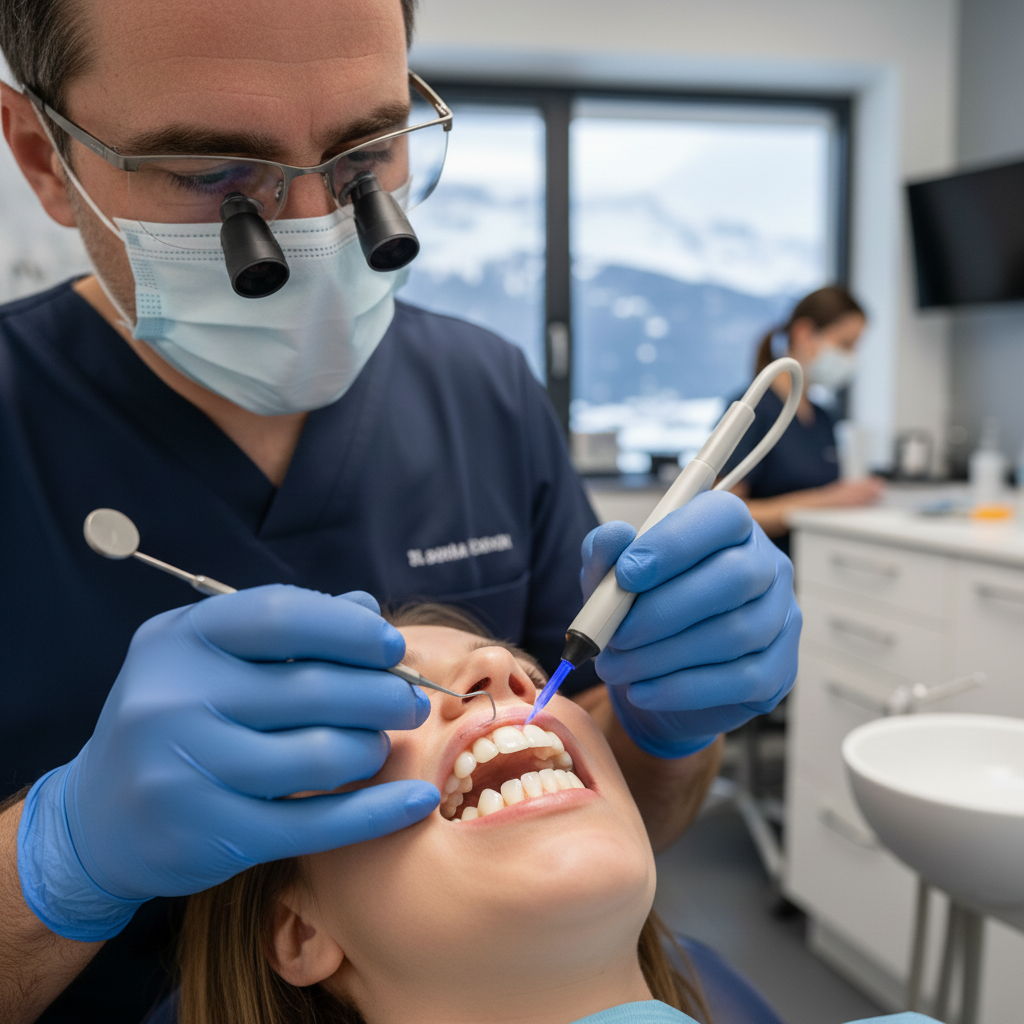
Once the treatment plan is established, the next step involves preparing the teeth. For porcelain veneers, a small amount of enamel (approximately 0.3 to 0.5 millimeters) is typically removed from the front surface of the teeth. This is a crucial step to ensure that the veneers fit properly and do not look bulky, blending seamlessly with your natural teeth and bite. The amount of enamel removed is minimal, often less than the thickness of a fingernail. Local anesthesia is usually administered to ensure comfort during this process. For some cases, particularly with “no-prep” or minimal-prep veneers, this step might be less invasive or even entirely omitted.
Impression Taking and Customization
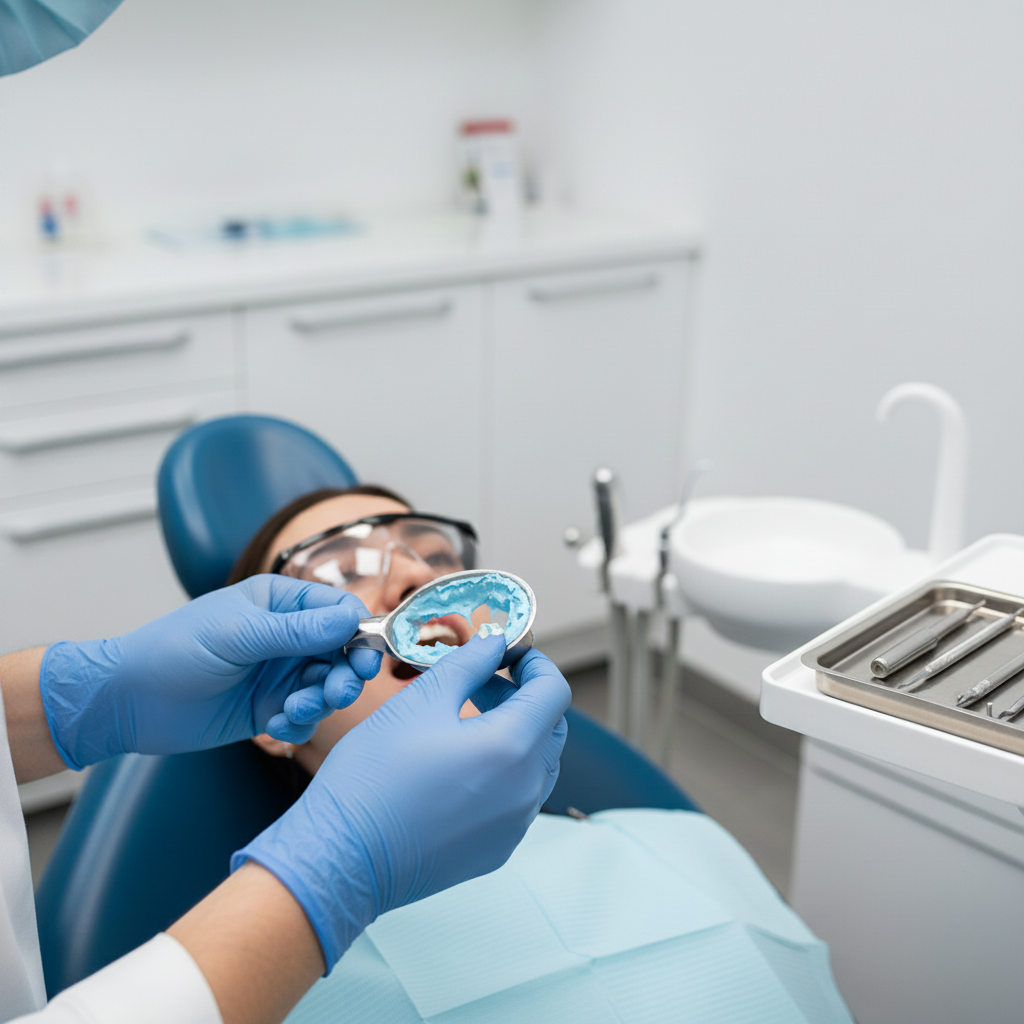
After tooth preparation, highly accurate impressions or digital scans of your prepared teeth are taken. These impressions are then sent to a dental laboratory, where skilled ceramists will custom-fabricate your veneers. This customization process is paramount to ensuring the veneers match the exact shade, shape, and size desired, perfectly complementing your facial features and natural teeth. While your permanent veneers are being crafted, temporary veneers may be placed to protect the prepared teeth and maintain aesthetics.
Bonding and Final Adjustments
Once the custom veneers arrive from the laboratory, a try-in appointment is scheduled. The dentist will temporarily place the veneers on your teeth to check their fit, color, and how they integrate with your overall smile. Any necessary adjustments to the shade or shape can be made at this stage. Once you and the dentist are satisfied, the teeth are thoroughly cleaned and polished. A special dental cement is applied to the veneer, and the veneer is then carefully placed onto the tooth. A light beam is used to cure the cement, rapidly hardening it and securely bonding the veneer to the tooth surface. The dentist will then remove any excess cement, check your bite, and make any final subtle adjustments to ensure comfort and proper occlusion.
| Procedure Step | Description | Approximate Duration |
|---|---|---|
| Initial Consultation | Comprehensive oral examination, discussion of aesthetic goals, smile design, and treatment planning. | 1-2 hours |
| Tooth Preparation | Removal of a minimal amount of enamel from the tooth surface to accommodate the veneer. | 1-3 hours (per arch) |
| Impressions/Scans | Taking precise molds or digital scans of prepared teeth for custom veneer fabrication. | 30-60 minutes |
| Temporary Veneer Placement | Placement of temporary veneers (if needed) to protect teeth while permanent ones are made. | 30-60 minutes |
| Veneer Bonding | Final placement and bonding of permanent, custom-made veneers to the teeth. | 2-4 hours (per arch) |
| Follow-up & Adjustments | Post-procedure check-up, bite assessment, and minor aesthetic adjustments. | 30-60 minutes |
Types of Veneers: Porcelain vs. Composite
Understanding the differences between porcelain and composite veneers is crucial for making an informed decision that aligns with your expectations and lifestyle. Both types offer significant aesthetic improvements, but they vary in material, application process, durability, and cost.
Porcelain Veneers
Porcelain veneers are custom-made shells crafted from dental ceramic in a laboratory. They are renowned for their exceptional strength, longevity, and natural appearance. Porcelain is highly resistant to stains from coffee, tea, and tobacco, maintaining its bright white luster over many years. The translucent quality of porcelain mimics natural tooth enamel, allowing light to pass through and reflect, creating a remarkably lifelike finish. While they require a more involved preparation process and are typically more expensive, porcelain veneers are considered a premium, long-term solution, often lasting 10-15 years or even longer with proper care.
Composite Veneers
Composite veneers, also known as dental bonding, are made from a tooth-colored resin material. Unlike porcelain veneers that are fabricated off-site, composite resin is applied directly to the teeth in layers, sculpted into the desired shape, and then hardened with a special light. This process is generally less invasive, often requiring minimal to no tooth enamel removal, and can usually be completed in a single dental visit. Composite veneers are a more affordable and reversible option compared to porcelain. However, they are generally less durable and more prone to chipping and staining over time, typically lasting 5-7 years before requiring repair or replacement.
Achieving Desired Results and Longevity
The results of veneers can be truly remarkable, offering a significant upgrade to one’s smile and overall facial aesthetics. Patients often report increased confidence and satisfaction with their appearance. However, the longevity of these results largely depends on post-procedure care and lifestyle choices.
Immediate Aesthetic Transformation
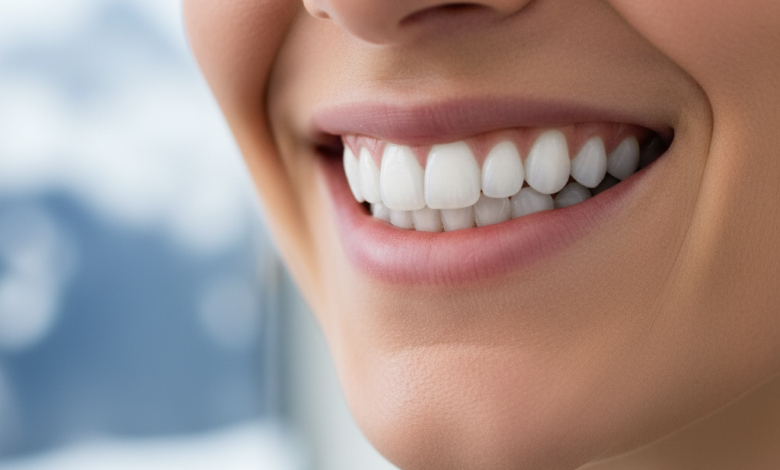
Upon completion of the bonding process, the aesthetic transformation is immediate. Discolored, chipped, or misaligned teeth are replaced with a uniform, bright, and perfectly aligned smile. The precision of Swiss dentistry ensures that the veneers are custom-fitted to blend seamlessly with your natural gum line and surrounding teeth, creating a harmonious and natural-looking result. This immediate improvement can have a profound positive impact on a patient’s self-esteem and social interactions.
Maintaining Your New Smile
To ensure the longevity of your veneers, meticulous oral hygiene is paramount. Brushing twice daily with a non-abrasive toothpaste and flossing regularly are essential to prevent gum disease and maintain the health of your underlying natural teeth. Although porcelain veneers are stain-resistant, maintaining good oral habits will help preserve their pristine appearance. It’s also advisable to avoid biting on hard foods or objects, such as ice, nuts, or pencils, which could chip or dislodge the veneers. Regular dental check-ups and professional cleanings are crucial to monitor the health of your veneers and natural teeth, allowing for early detection and treatment of any potential issues. Patients who grind their teeth (bruxism) may be advised to wear a nightguard to protect their veneers from excessive force.
Investment in a Dazzling Smile: Cost Factors in Switzerland
The cost of veneers in Switzerland can be a significant investment, reflecting the country’s high standards of dental care, the expertise of its practitioners, and the quality of materials used. Prices can vary widely based on several factors, including the type of veneer (porcelain typically being more expensive than composite), the number of veneers needed, the complexity of the case, and the specific dental clinic’s location and reputation. While the initial outlay might be higher compared to other countries, the value proposition in Switzerland lies in the unparalleled quality, precision, and longevity of the treatment received. Many clinics offer transparent pricing and detailed treatment plans, allowing patients to understand the investment involved. It is essential to consider this as an investment in long-term oral health and aesthetic satisfaction.
Choosing Your Clinic for Veneers in Switzerland
Selecting the right dental clinic and dentist is perhaps the most critical decision when considering veneers. In Switzerland, you’ll find a wealth of highly qualified and experienced cosmetic dentists, but due diligence is key. Look for clinics that specialize in cosmetic dentistry and have a strong portfolio of successful veneer cases. Consider the dentist’s qualifications, their experience with veneer procedures, and the technology they utilize. Patient testimonials and before-and-after galleries can offer valuable insights into the quality of their work. A reputable clinic will also prioritize patient comfort, offer clear communication, and provide comprehensive aftercare instructions. It’s advisable to schedule initial consultations with a few different clinics to compare approaches, discuss treatment plans, and ensure you feel comfortable and confident with your chosen provider. Switzerland’s commitment to excellence in healthcare ensures that you are in capable hands, provided you choose wisely. For more information on dental veneers, you can refer to authoritative sources such as Wikipedia’s entry on Dental Veneer.
Ultimately, veneers represent more than just a cosmetic upgrade; they are an investment in confidence and a healthier-looking smile. The meticulous process and high standards of dentistry available in Switzerland ensure that this investment yields beautiful, durable, and satisfying results, allowing you to flash a radiant smile with pride.